
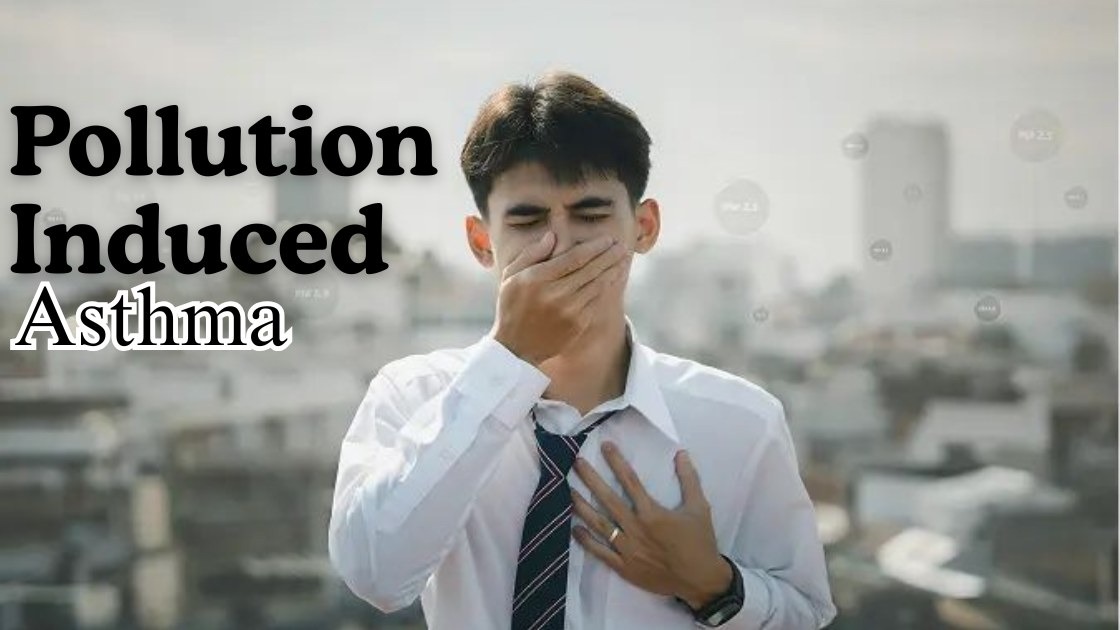
Pollution induced asthma has become an alarming health crisis affecting millions of children worldwide, particularly in densely populated urban areas. As air quality continues to deteriorate, young lungs are increasingly vulnerable to harmful pollutants that trigger severe respiratory complications. This growing concern demands immediate attention, as childhood exposure to environmental triggers like vehicle emissions, industrial smoke, and particulate matter can lead to chronic breathing difficulties that persist well into adulthood.
In this comprehensive guide, we’ll explore the critical risk factors contributing to pollution-related asthma in children, examine how toxic air pollutants impact developing respiratory systems, and discuss the potential long-term health consequences. Understanding these connections is essential for parents, healthcare providers, and policymakers working to protect our children’s respiratory health and ensure healthier futures for the next generation.
Related Article: Understanding Air Pollution Adverse Effects: Causes, Consequences, and Prevention
Understanding Pollution Induced Asthma and Its Impact on Children
Pollution induced asthma occurs when exposure to air pollutants triggers inflammation and narrowing of the airways, making it difficult for children to breathe normally. Unlike traditional asthma, which may have genetic components, this condition develops primarily due to environmental factors. Children are particularly vulnerable because their lungs are still developing, and they breathe more rapidly than adults, inhaling greater amounts of contaminated air relative to their body size.
The relationship between poor air quality and childhood respiratory issues has become increasingly evident in recent decades. Studies show that children living near busy highways or industrial zones face significantly higher risks of developing chronic respiratory conditions.
Major Risk Factors Contributing to Childhood Asthma
Outdoor Air Pollution Sources
Several outdoor pollutants play critical roles in triggering pollution induced asthma in young populations:
- Particulate Matter: These microscopic particles penetrate deep into developing lungs, causing severe airway inflammation
- Vehicle Emissions: Traffic-related pollutants including nitrogen dioxide and carbon monoxide affect children living within 500 meters of major roads
- Industrial Smoke: Factories and power plants release sulfur dioxide and other harmful chemicals that compromise respiratory health
- Ground-Level Ozone: Formed when sunlight reacts with pollutants, ozone is especially dangerous during summer months
Indoor Environmental Triggers
Indoor air pollution poses equally serious threats to children’s breathing:
- Secondhand smoke exposure increases asthma risk by 40-60%
- Mold and dampness create perfect conditions for respiratory irritation
- Chemical cleaners and air fresheners release volatile organic compounds
- Gas stoves produce nitrogen dioxide that accumulates in poorly ventilated homes
- Dust mites and pet dander combine with pollutants to worsen symptoms
Related Article: Pollution and Health in Urban Cities: How Industrial Waste Affects Community Wellbeing
How Pollution Triggers Asthma Attacks in Children
When children inhale toxic air pollutants, their immune systems respond by releasing inflammatory chemicals. This process causes the airways to swell, produce excess mucus, and constrict, leading to characteristic asthma symptoms like wheezing, coughing, and shortness of breath.
Particulate matter is particularly harmful because it carries other pollutants deep into lung tissue. Children with existing pollution induced asthma experience more frequent and severe attacks when pollution levels spike. Research indicates that even short-term exposure to elevated pollution can trigger emergency room visits.

Long-Term Health Consequences
Respiratory System Damage
Prolonged exposure to polluted air during childhood can result in permanent changes to lung structure and function:
- Reduced lung capacity that persists into adulthood
- Increased susceptibility to respiratory infections
- Higher likelihood of developing chronic obstructive pulmonary disease later in life
- Persistent breathing difficulties requiring lifelong medication
Beyond the Lungs
The impacts of pollution induced asthma extend beyond the respiratory system. Recent research reveals connections between childhood air pollution exposure and:
- Cognitive development delays and reduced academic performance
- Cardiovascular problems in adolescence and adulthood
- Weakened immune system functioning
- Mental health challenges including anxiety and depression
Children who develop asthma due to environmental triggers often miss more school days, experience limitations in physical activities, and face ongoing medical expenses that burden families financially.
Identifying High-Risk Children
Certain groups face elevated risks of developing pollution induced asthma:
- Children living in low-income urban neighborhoods with higher pollution levels
- Those with family history of allergies or respiratory conditions
- Premature infants with underdeveloped lungs
- Children of color who disproportionately reside in areas with poor air quality
- Kids engaging in outdoor sports during high pollution days
Understanding these risk factors enables parents and healthcare providers to implement targeted protective measures. Early intervention and pollution avoidance strategies can significantly reduce the severity of symptoms and prevent long-term complications associated with childhood respiratory health problems.
Conclusion
Pollution induced asthma represents a serious public health challenge that demands immediate action from families, communities, and policymakers. The evidence is clear: exposure to air pollutants during childhood creates lasting damage to developing lungs and increases the risk of lifelong respiratory health complications. By understanding the risk factors and environmental triggers discussed in this article, parents can take proactive steps to minimize their children’s exposure to harmful pollutants. Prioritizing clean air quality, advocating for stronger environmental regulations, and seeking early medical intervention when symptoms appear are essential strategies for safeguarding our children’s future. The fight against pollution induced asthma begins with awareness and collective commitment to creating healthier environments where children can breathe freely and thrive.





3 Comments on “Pollution Induced Asthma in Children: Risk Factors and Long-Term Health Implications”