

Have you ever wondered why you scroll through social media instead of tackling that important project? The answer lies in how dopamine and procrastination are intricately connected in your brain. This powerful neurotransmitter acts as your internal motivation system, influencing whether you dive into tasks or delay them indefinitely. When dopamine levels fluctuate, they directly impact your ability to initiate and complete activities, creating a complex relationship between brain chemistry and productivity. Understanding this connection reveals why some days you feel unstoppable while others leave you stuck in a cycle of avoidance.
This article explores the fascinating science behind how dopamine drives our reward system, why our brains sometimes sabotage our best intentions, and practical strategies to work with your neurochemistry rather than against it.
What Is Dopamine and How Does It Work?
Dopamine is a crucial neurotransmitter that acts as your brain’s primary chemical messenger for motivation and reward. This molecule travels between neurons, triggering feelings of pleasure and satisfaction when you accomplish tasks or experience something enjoyable. Your brain chemistry fundamentally depends on dopamine to regulate mood, focus, and the drive to pursue goals.
The dopaminergic pathways in your brain form an intricate network that influences every decision you make. When dopamine releases in anticipation of a reward, it creates that motivated feeling that pushes you toward action. However, when these pathways malfunction or become imbalanced, dopamine and procrastination become unwanted partners in your daily life.
The Dopamine Reward System
Your brain’s reward system operates on a simple yet powerful principle: seek pleasure, avoid pain. This ancient mechanism helped our ancestors survive by motivating them to find food, shelter, and mates. Today, this same system responds to modern stimuli like social media notifications, video games, and even the satisfaction of crossing items off a to-do list.
The Science Behind Procrastination
Procrastination isn’t simply laziness or poor time management. Research shows it’s a complex interplay between your prefrontal cortex (responsible for planning and decision-making) and your limbic system (which processes emotions and rewards). When faced with challenging or boring tasks, your brain often chooses immediate gratification over long-term benefits.
Why Your Brain Chooses Delay
dopamine and procrastination Your brain constantly performs cost-benefit analysis when deciding whether to tackle a task. Several factors influence this decision:
- The perceived difficulty of the task
- The immediacy of the reward
- Your current dopamine levels
- Past experiences with similar tasks
- Environmental distractions competing for attention
The temporal discounting phenomenon explains why distant rewards feel less valuable than immediate ones. Your brain literally devalues future benefits, making that Netflix episode seem more appealing than studying for next week’s exam.
How Dopamine Deficiency Fuels Procrastination
Low dopamine levels create a vicious cycle where motivation feels impossible to generate. Without adequate dopamine, your brain struggles to initiate tasks, especially those requiring sustained effort or offering delayed rewards. This neurochemical imbalance manifests in several ways:
Signs of Dopamine-Related Procrastination
Common indicators that dopamine and procrastination are affecting your productivity include:
- Difficulty starting tasks despite knowing their importance
- Constantly seeking instant gratification through phones or snacks
- Feeling mentally foggy or unmotivated
- Struggling with task initiation even for enjoyable activities
- Experiencing decision fatigue over simple choices
The Modern Dopamine Trap
dopamine and procrastination Technology has created an environment of constant dopamine hits through likes, notifications, and endless content streams. These frequent micro-rewards desensitize your dopamine receptors, requiring stronger stimuli to achieve the same satisfaction. Regular tasks pale in comparison to these engineered dopamine spikes, making procrastination feel inevitable.
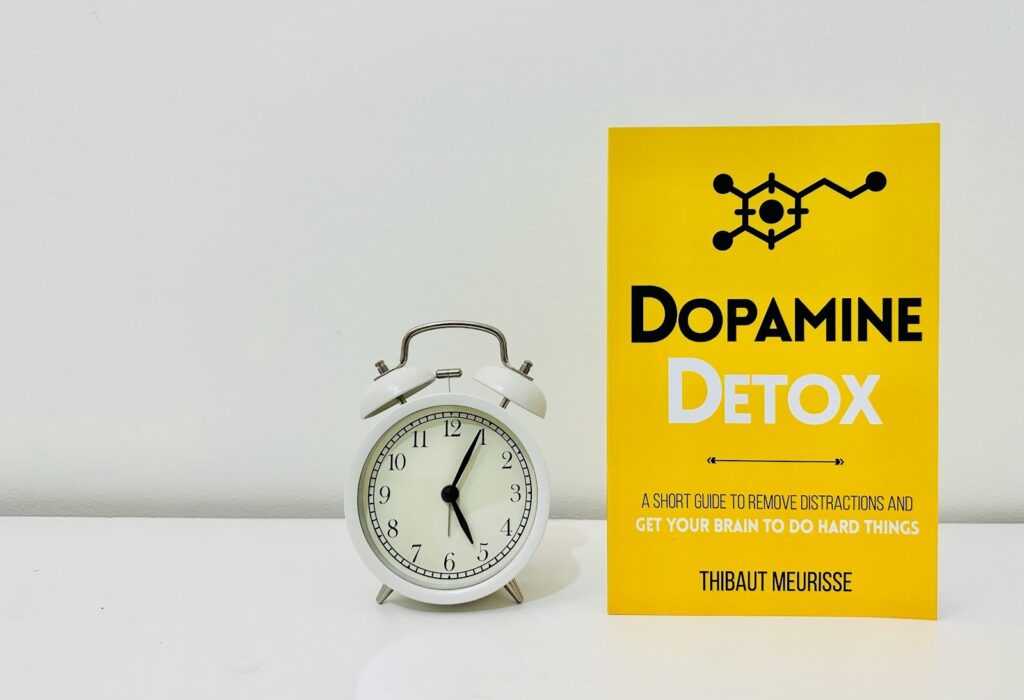
Breaking the Procrastination Cycle
Understanding the relationship between dopamine and procrastination empowers you to implement targeted strategies. Rather than fighting your brain chemistry, you can work with it to enhance productivity and motivation.
Practical Strategies for Dopamine Regulation
Behavioral activation techniques can naturally boost dopamine production:
- Exercise regularly to stimulate dopamine release
- Practice meditation to improve dopamine receptor sensitivity
- Establish consistent sleep patterns for optimal neurotransmitter balance
- Limit excessive screen time to prevent dopamine desensitization
- Create small, achievable goals for frequent reward experiences
The Power of Micro-Rewards
dopamine and procrastination Breaking large projects into smaller milestones provides regular dopamine boosts. This task chunking approach satisfies your brain’s need for immediate rewards while progressing toward larger goals. Celebrating small wins reinforces positive behavioral patterns and maintains motivation momentum.
Long-Term Solutions and Lifestyle Changes
Sustainable change requires addressing the root causes of dopamine dysfunction. Proper nutrition plays a vital role, as your brain needs specific nutrients to produce dopamine. Foods rich in tyrosine, iron, and B vitamins support healthy neurotransmitter production.
Creating environmental design that minimizes distractions and maximizes focus helps preserve dopamine for important tasks. This might include:
- Designated workspaces free from entertainment devices
- Time-blocking for deep work sessions
- Using website blockers during productive hours
- Implementing the two-minute rule for quick tasks
- Establishing accountability systems with peers
The relationship between dopamine and procrastination isn’t fixed. Through understanding and strategic intervention, you can rewire your brain’s reward pathways to support rather than sabotage your goals. Remember, overcoming procrastination isn’t about willpower alone but understanding and optimizing your brain’s reward mechanisms.
Conclusion
Understanding the connection between dopamine and procrastination transforms how we approach productivity challenges. Rather than relying on willpower alone, recognizing the role of brain chemistry in motivation empowers us to work with our neurological wiring, not against it. By implementing strategies that naturally boost dopamine levels and create sustainable reward systems, we can break free from procrastination cycles. Remember, overcoming delay isn’t a character flaw to fix but a neurochemical puzzle to solve. With the right knowledge and tools, you can harness your brain’s reward mechanisms to achieve your goals and unlock your full potential.