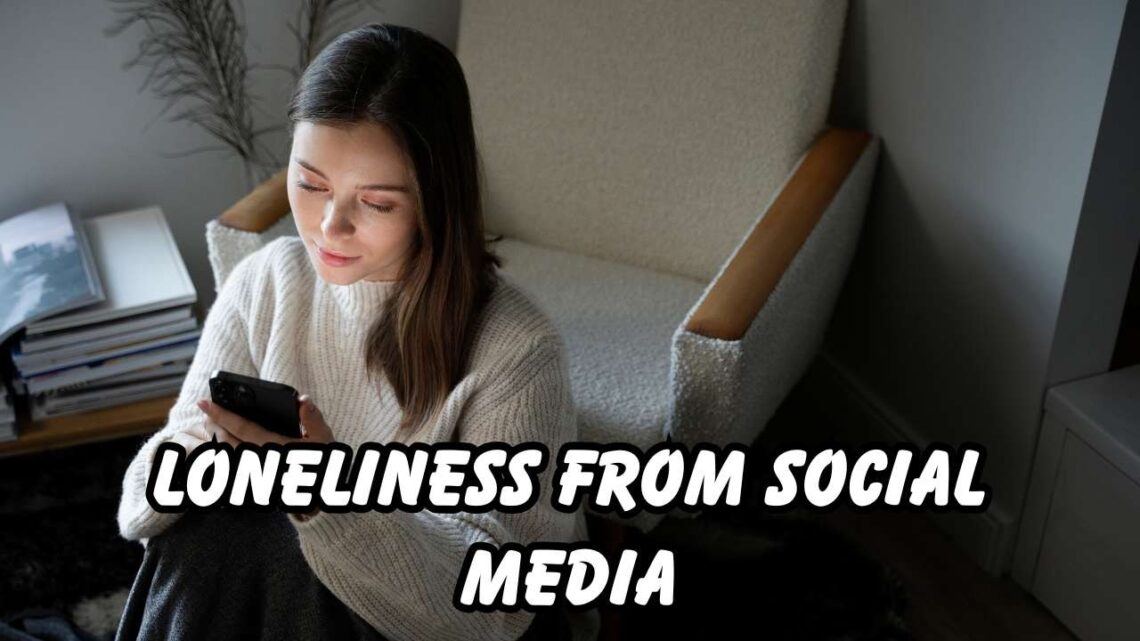
The rise of loneliness from social media has become a quiet struggle for many, even as we stay connected all day. In today’s digital world, scrolling through endless updates can make us feel informed, yet emotionally distant. This article explores how loneliness from social media grows beneath the surface, shaping our thoughts, relationships, and self-worth.
We’ll look at how digital interaction often replaces real conversations, why comparisons online intensify emotional disconnection, and how constant notifications create a false sense of social belonging. You’ll also learn how digital overload, screen-time imbalance, and virtual attachment can impact mental well-being. By the end, you’ll understand why online spaces sometimes amplify isolation and how to reclaim healthier, more meaningful connections.
Understanding Loneliness From Social Media
Loneliness from social media refers to the emotional state where individuals feel isolated despite being constantly connected online. While social media platforms are designed to foster social interaction and community engagement, users often report feelings of emotional disconnection, virtual fatigue, and a lack of real-life intimacy. This phenomenon is not simply about being alone; it’s about feeling disconnected in a world of constant connectivity. Researchers have observed that spending excessive time on platforms like Facebook, Instagram, or TikTok can amplify social comparison, increase self-esteem fluctuations, and contribute to a persistent sense of psychological loneliness.
The Background and History
Social media has evolved rapidly over the last two decades. Initially, platforms like Friendster and MySpace were meant to connect people digitally. Over time, giants such as Facebook, Instagram, Twitter, and Snapchat transformed social interaction, enabling instant sharing of thoughts, photos, and videos. While these platforms promote digital communication and online networking, psychologists noticed an emerging paradox: despite constant engagement, users reported higher levels of mental fatigue, emotional disconnection, and loneliness from social media.
Studies indicate that the shift from face-to-face communication to online interaction has altered how individuals perceive social support, often creating a sense of virtual attachment that cannot replace real human interaction.
Importance of Understanding This Phenomenon
Understanding loneliness from social media is crucial for both mental health professionals and users themselves. It helps identify the link between screen-time imbalance, social comparison, and self-esteem issues. By acknowledging these patterns, individuals can adopt healthier digital habits and develop coping strategies to mitigate emotional disconnection. Moreover, organizations can design social media platforms to prioritize user well-being, promoting digital mindfulness and reducing psychological fatigue.
How Social Media Contributes to Loneliness
Social Comparison and Self-Worth
One of the primary causes of loneliness from social media is the constant comparison with others. Seeing curated posts about success, travel, or relationships can lead to self-esteem decline and feelings of inadequacy. Users often forget that online content represents a highlight reel, not reality. This can foster emotional vulnerability and exacerbate psychological stress.
Digital Overload
Spending long hours scrolling through feeds creates digital overload, reducing attention span and increasing mental exhaustion. Continuous notifications and updates can prevent users from experiencing real-life connections, further deepening loneliness from social media.
Lack of Meaningful Interaction
Even when users communicate online, interactions are often shallow or transactional. Comments, likes, or shares cannot replace genuine conversation and emotional intimacy, which are essential for reducing feelings of emotional disconnection.
Psychological and Social Effects
Loneliness from social media can manifest in several ways:
- Increased stress and anxiety due to comparison and constant engagement
- Decline in self-esteem and confidence
- Reduced face-to-face social skills and emotional intelligence
- Feeling socially isolated despite having hundreds of online connections
Studies have also linked excessive social media use to higher rates of depression, sleep disturbances, and reduced life satisfaction, highlighting the importance of understanding these psychological consequences.
Benefits of Responsible Social Media Use
While social media can contribute to loneliness, responsible use offers significant benefits:
1. Enhances digital networking and community support
2.Provides platforms for creative expression
3.Facilitates instant communication and knowledge sharing
4.Helps maintain long-distance relationships without feeling disconnected
Balancing online engagement with real-life interaction can help individuals enjoy these benefits while minimizing the risks of emotional disconnection.
Coping Strategies to Reduce Loneliness From Social Media
Limit Screen Time
Setting boundaries on screen-time imbalance is essential. Allocate specific hours for social media and prioritize offline activities to strengthen real-world bonds.
Engage in Meaningful Interactions
Focus on quality over quantity. Engage in deep conversations, join community groups, or participate in offline social events to counteract the superficial nature of online connections.
Mindful Consumption
Be conscious of content consumption. Avoid excessive exposure to comparison-driven posts and prioritize content that promotes mental well-being, positivity, and self-esteem enhancement.
Seek Professional Support
If loneliness from social media severely impacts mental health, consulting a psychologist or therapist can provide guidance on developing healthy digital habits and coping strategies.
Examples and Real-Life Cases
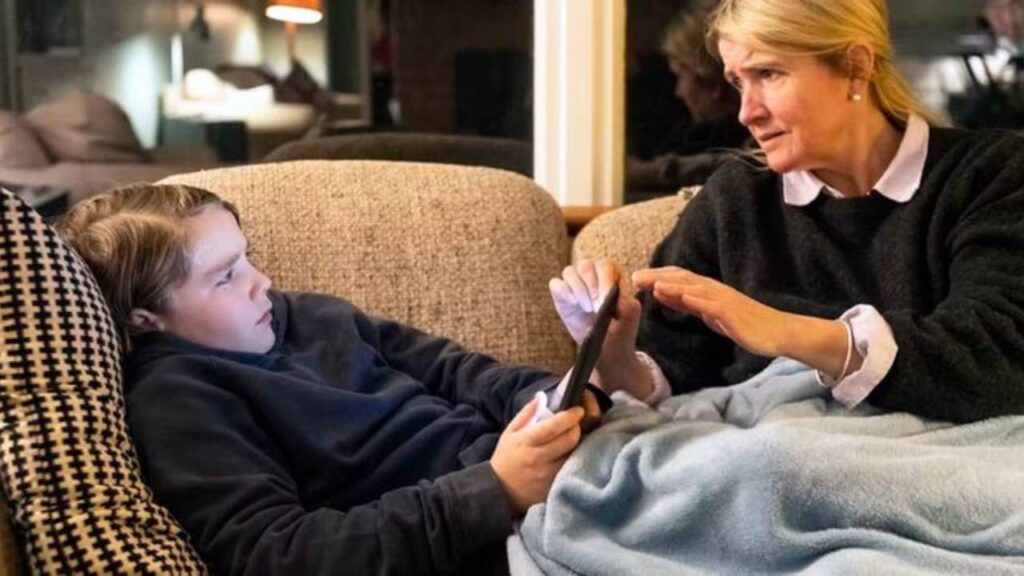
Several studies highlight how it affects different age groups. Teenagers may feel peer pressure and social anxiety, while adults often experience career-related comparison stress. A 2022 study found that individuals spending over three hours daily on social media were 40% more likely to report feelings of emotional isolation compared to those who spent less than one hour.
Another example includes professionals who, despite maintaining active digital networks, report reduced face-to-face engagement, leading to psychological fatigue and a sense of emotional detachment from friends and family.
Conclusion
In today’s digital era, loneliness from social media highlights the paradox of being constantly connected yet emotionally isolated. Excessive screen-time, social comparison, and lack of meaningful interaction can intensify feelings of emotional disconnection and virtual fatigue. Understanding these patterns is essential for maintaining mental well-being and building healthier relationships both online and offline. By practicing digital mindfulness, engaging in real-life social connections, and balancing online activity, individuals can reduce the negative effects of loneliness from social media and foster a more fulfilling, connected life.