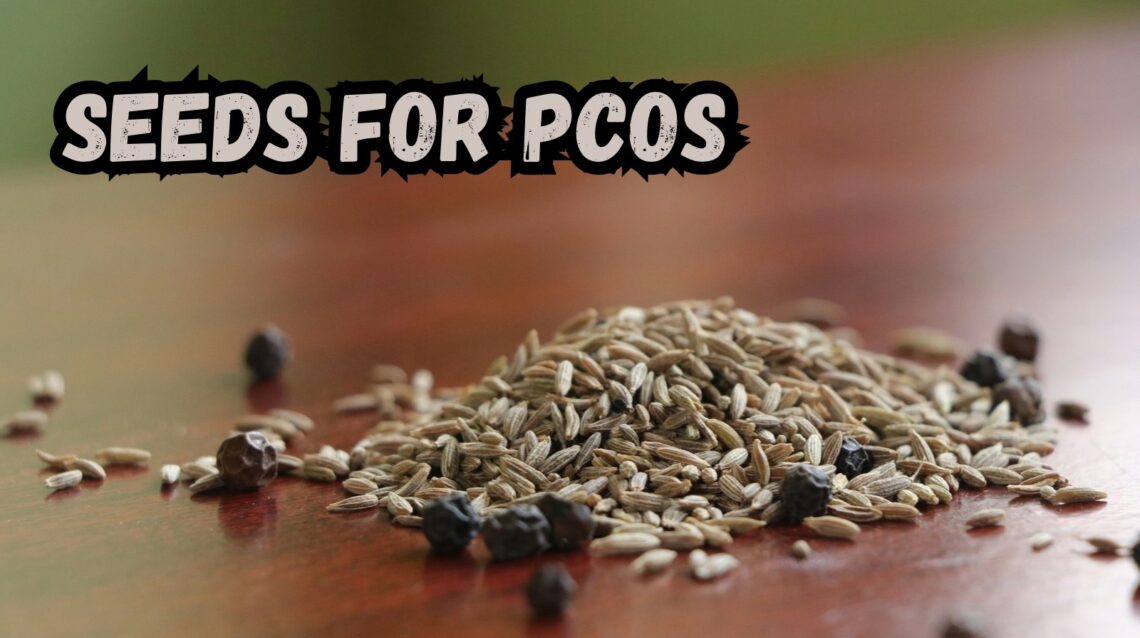
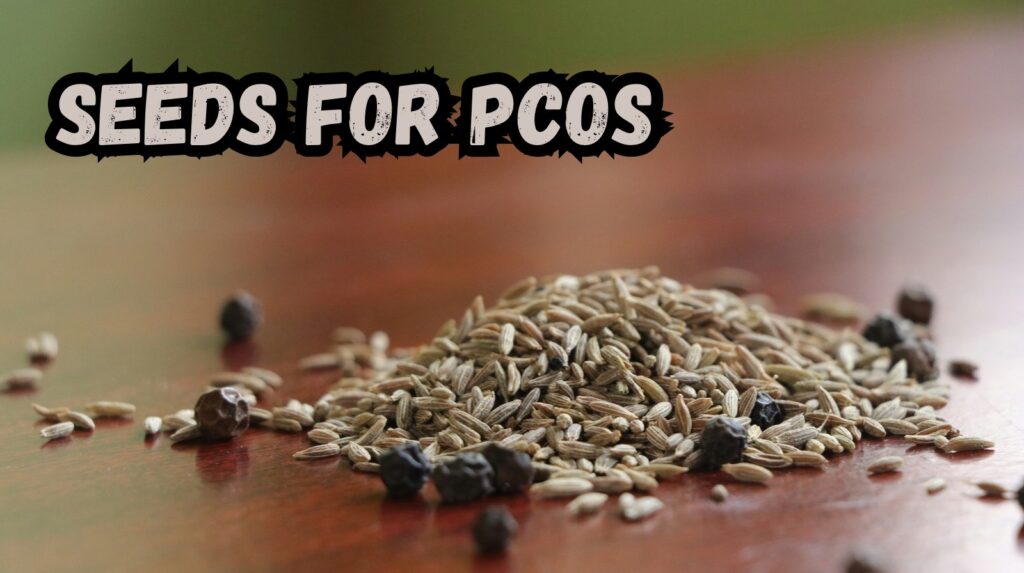
Managing Polycystic Ovary Syndrome naturally starts with simple dietary changes, and incorporating seeds for PCOS into your daily routine can make a remarkable difference. Millions of women worldwide struggle with this hormonal condition, searching for effective ways to ease symptoms without relying solely on medication.
The good news? Nature offers powerful allies in tiny packages. From regulating insulin resistance to supporting a healthy menstrual cycle, certain seeds contain nutrients that directly target PCOS symptoms. This comprehensive guide explores the best seeds for PCOS management, their unique benefits, and practical ways to include them in your PCOS diet.
Whether you’re dealing with hormonal imbalance, weight concerns, or fertility challenges, these nutrient-rich superfoods may become your new wellness essentials.
Understanding PCOS and the Role of Nutrition
Polycystic Ovary Syndrome affects approximately 1 in 10 women of reproductive age, causing irregular periods, excess androgen levels, and small cysts on the ovaries. While there’s no cure, dietary interventions play a crucial role in managing symptoms effectively.
Seeds for PCOS have gained attention because they contain essential fatty acids, fiber, and lignans that help regulate hormone production. These tiny nutritional powerhouses work by supporting estrogen metabolism, reducing inflammation, and improving insulin sensitivity. Understanding which seeds offer the most benefits empowers you to make informed dietary choices.
Top Seeds That Support Hormonal Health
Flaxseeds: The Hormone Balancing Powerhouse
Flaxseeds rank among the best seeds for PCOS management due to their high lignan content. These plant compounds help bind excess estrogen, promoting better hormonal equilibrium in your body.
Key benefits include:
- Reducing elevated testosterone levels naturally
- Supporting regular ovulation cycles
- Providing omega 3 fatty acids for inflammation reduction
- Improving digestive health through fiber content
For optimal results, consume one to two tablespoons of ground flaxseeds daily. Ground seeds offer better nutrient absorption compared to whole seeds.
Pumpkin Seeds: Rich in Zinc and Magnesium
Pumpkin seeds deliver impressive amounts of zinc, a mineral often deficient in women with PCOS. This nutrient supports healthy progesterone production and proper immune function.
Nutritional highlights:
- High magnesium content for blood sugar regulation
- Plant based protein for sustained energy
- Antioxidants that combat oxidative stress
- Iron to address potential deficiencies
How to Include Pumpkin Seeds
Add a quarter cup to smoothies, salads, or enjoy them as a standalone snack. Roasting enhances flavor while preserving most nutrients.
Sunflower Seeds: Vitamin E Richness
Sunflower seeds provide exceptional vitamin E levels, supporting reproductive health and skin wellness. Many women with PCOS experience skin issues, making these seeds particularly valuable.
These seeds for PCOS also contain selenium, which aids thyroid function. Since thyroid imbalances often accompany PCOS, this benefit proves especially important.
Chia Seeds: Fiber and Omega 3 Champions
Chia seeds offer remarkable fiber content that helps stabilize blood glucose levels after meals. This stabilization reduces insulin spikes, addressing a core PCOS concern.
Notable advantages:
- Absorb up to 12 times their weight in water, promoting fullness
- Provide complete plant protein with all essential amino acids
- Support cardiovascular health through omega 3 content
- Require no grinding for nutrient absorption
Sesame Seeds: Supporting Estrogen Balance
Sesame seeds contain lignans similar to flaxseeds, making them excellent seeds for PCOS dietary plans. They’re particularly beneficial during the luteal phase of your menstrual cycle.
Additional benefits include:
- Calcium for bone health
- B vitamins for energy metabolism
- Copper supporting iron absorption
- Healthy fats for hormone synthesis
The Seed Cycling Method Explained
1. What Is Seed Cycling?
Seed cycling involves consuming specific seeds for PCOS during different phases of your menstrual cycle. This practice aims to naturally support estrogen and progesterone balance throughout the month.
2. Follicular Phase Protocol
During days 1 through 14, consume one tablespoon each of flaxseeds and pumpkin seeds daily. This combination supports healthy estrogen levels needed for follicle development.
3. Luteal Phase Protocol
From days 15 through 28, switch to sunflower and sesame seeds. These support progesterone production essential for this cycle phase.

Practical Tips for Daily Consumption
Incorporating these nutritious seeds doesn’t require complicated meal planning. Simple strategies ensure consistent intake.
Easy incorporation methods:
- Blend into morning smoothies for nutrient boost
- Sprinkle on yogurt or oatmeal
- Add to homemade energy balls
- Mix into salad dressings
- Include in baked goods
Potential Challenges and Considerations
While seeds for PCOS offer numerous benefits, some women experience initial digestive discomfort. Start with small amounts and gradually increase intake over two weeks.
Important reminders:
- Store seeds properly in cool, dark places
- Choose organic options when possible
- Avoid excessive consumption beyond recommended amounts
- Consult your healthcare provider before major dietary changes
Seeds complement medical treatments but shouldn’t replace prescribed medications without professional guidance. Combined with regular physical activity and stress management, these natural additions support comprehensive PCOS wellness strategies.
Conclusion
Incorporating seeds for PCOS into your daily diet offers a simple yet powerful approach to managing this complex condition. Flaxseeds, pumpkin seeds, chia seeds, sunflower seeds, and sesame seeds each bring unique nutrients that support hormonal balance, improve insulin sensitivity, and reduce inflammation naturally.
Whether you try seed cycling or simply add these nutrient-dense superfoods to meals, consistency remains key. Remember that seeds for PCOS work best alongside a balanced PCOS diet, regular exercise, and proper medical care. Start small, stay patient, and let nature’s tiny powerhouses support your journey toward better reproductive health and overall wellness.