Polycystic Ovary Syndrome (PCOS) affects millions of women worldwide, influencing hormones, metabolism, and overall health. One of the most effective ways to manage PCOS is through nutrition. That’s why creating a balanced PCOS diet meal plan can play a critical role in improving symptoms, supporting weight management, and boosting fertility. This guide explores how to design a practical, nutrient-rich plan to better manage PCOS naturally.
Why a PCOS Diet Meal Plan Matters
PCOS often causes hormonal imbalances, insulin resistance, and difficulties with weight control. Many women also experience irregular periods, acne, and fatigue. A carefully designed PCOS diet meal plan helps regulate blood sugar, reduce inflammation, and support hormone balance. Unlike fad diets, this plan emphasizes sustainable eating habits that nourish the body while addressing PCOS challenges.
Key Principles of a PCOS Diet Meal Plan
When building a PCOS diet meal plan, it’s important to focus on nutrient-dense foods while avoiding those that worsen symptoms. Here are the core principles:
- Balanced Macronutrients – Include lean proteins, complex carbs, and healthy fats in every meal.
- Low Glycemic Index (GI) Foods – Choose slow-digesting carbs like oats, quinoa, lentils, and sweet potatoes to maintain stable blood sugar.
- Anti-Inflammatory Foods – Add vegetables, berries, fatty fish, nuts, and olive oil to reduce inflammation.
- Fiber-Rich Choices – Fiber helps regulate digestion, control hunger, and balance blood sugar levels.
- Avoid Processed Foods – Minimize sugary snacks, refined carbs, and processed meats that may worsen insulin resistance.
By following these guidelines, a PCOS diet meal plan can help reduce symptoms and promote long-term health.
Sample PCOS Diet Meal Plan
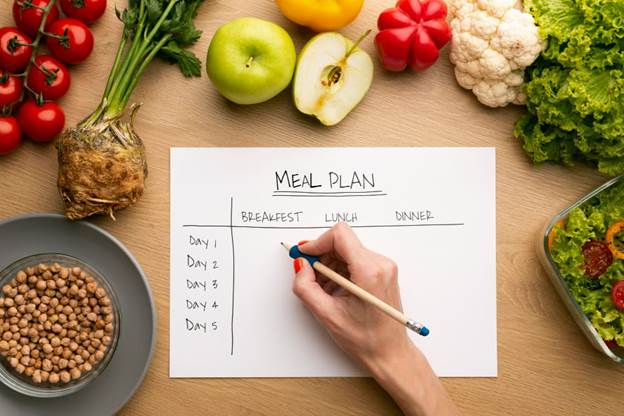
Here’s a practical PCOS diet meal plan for one day:
- Breakfast: Scrambled eggs with spinach, avocado, and a slice of whole-grain toast.
- Snack: Greek yogurt topped with chia seeds and fresh blueberries.
- Lunch: Grilled salmon with quinoa, roasted vegetables, and a drizzle of olive oil.
- Snack: A handful of almonds and cucumber slices.
- Dinner: Baked chicken breast with sweet potato wedges and steamed broccoli.
- Evening Option: Herbal tea with a few walnuts.
This sample PCOS diet meal plan balances protein, healthy fats, and low-GI carbs while keeping sugar intake minimal.
Benefits of a PCOS Diet Meal Plan
A consistent and thoughtful PCOS diet meal plan provides many benefits:
- Improved Insulin Sensitivity – Lowering refined carbs helps reduce insulin resistance, a common PCOS issue.
- Weight Management – Balanced meals promote satiety and prevent overeating.
- Hormonal Balance – Nutrients like omega-3s, vitamin D, and magnesium support reproductive health.
- Energy Stability – Avoiding sugar spikes prevents fatigue and mood swings.
- Better Fertility Support – A nutrient-rich diet can improve ovulation and reproductive outcomes.
These benefits make a PCOS diet meal plan an essential tool for women seeking natural ways to manage the condition.
Foods to Include in a PCOS Diet Meal Plan
For the best results, a PCOS diet meal plan should prioritize whole, nutrient-rich foods:
- Proteins: Lean chicken, turkey, eggs, fish, legumes, and tofu.
- Carbohydrates: Brown rice, quinoa, oats, lentils, and beans.
- Fats: Avocados, olive oil, nuts, chia seeds, and fatty fish.
- Vegetables: Leafy greens, broccoli, zucchini, peppers, and cauliflower.
- Fruits: Berries, apples, pears, and citrus in moderation.
These foods help maintain balanced hormones and steady energy levels throughout the day.
Foods to Avoid in a PCOS Diet Meal Plan
Just as important as what to include is what to avoid in a PCOS diet meal plan:
- Refined sugar and sweetened beverages.
- White bread, pastries, and other refined carbs.
- Processed meats high in sodium and additives.
- Fried foods and trans fats.
- Excess caffeine and alcohol.
Cutting back on these foods helps reduce inflammation and stabilize insulin levels.
Lifestyle Tips Alongside a PCOS Diet Meal Plan
While nutrition is key, pairing a PCOS diet meal plan with healthy lifestyle habits enhances results:
- Exercise Regularly – Combine strength training with cardio to improve insulin sensitivity.
- Manage Stress – Yoga, meditation, and mindfulness reduce cortisol, which influences hormones.
- Prioritize Sleep – Consistent, quality rest supports metabolism and hormone regulation.
- Stay Hydrated – Water helps digestion, reduces bloating, and supports overall health.
These lifestyle habits complement the effects of a PCOS diet meal plan and help improve long-term outcomes.
When to Seek Professional Guidance
Every woman’s experience with PCOS is unique, so while a general PCOS diet meal plan provides guidance, personalized advice can make a big difference. Consulting a registered dietitian or healthcare provider can help tailor the plan to individual needs, especially if there are specific nutrient deficiencies or fertility goals.
Final Thoughts
A well-structured PCOS diet meal plan is one of the most effective ways to manage symptoms of Polycystic Ovary Syndrome. By focusing on whole foods, low-GI carbs, lean proteins, and healthy fats, women can support hormonal balance, improve insulin sensitivity, and enhance fertility.
Consistency and balance are the keys to success. With the right PCOS diet meal plan, paired with a healthy lifestyle, women can take control of their symptoms and improve their overall quality of life.