
Have you ever experienced unexplained headaches, skin rashes, or digestive issues after eating certain meals? Foods high in histamine might be the hidden culprit behind your discomfort. Histamine is a natural compound found in various foods that plays a crucial role in immune responses, but for some people, consuming too much can trigger unpleasant symptoms.
This comprehensive guide explores everything you need to know about histamine intolerance, common dietary triggers, and which foods to limit or avoid. Whether you’re dealing with allergic reactions, struggling with digestive problems, or simply want to understand how fermented foods and aged products affect your histamine levels, this article provides practical insights to help you make informed dietary choices and improve your overall well-being.
What Is Histamine and Why Does It Matter?
Histamine is a naturally occurring chemical compound that your body produces and obtains from certain foods. It plays essential roles in your immune system, digestive function, and nervous system communication. When functioning properly, histamine helps protect your body from foreign invaders and regulates stomach acid production.
However, problems arise when histamine accumulates faster than your body can break it down. This condition, known as histamine intolerance, affects approximately 1% of the population. The enzyme diamine oxidase (DAO) is responsible for metabolizing histamine, and when it becomes deficient, symptoms can develop quickly after consuming foods high in histamine.
Common Foods High in Histamine You Should Know
Understanding which foods contain elevated histamine levels helps you make better dietary decisions. Foods high in histamine generally include aged, fermented, or processed items that have undergone bacterial action.
Fermented and Aged Products
Fermented foods are among the highest histamine sources because the fermentation process naturally produces this compound.
- Aged cheeses like parmesan, gouda, and cheddar
- Sauerkraut and kimchi
- Yogurt and kefir
- Soy sauce and miso paste
- Alcoholic beverages, especially red wine and beer
Protein Sources
Certain protein rich foods accumulate histamine as they age or undergo processing.
- Smoked and cured meats including bacon, salami, and pepperoni
- Canned or preserved fish like tuna, sardines, and anchovies
- Shellfish and certain seafood varieties
- Leftover cooked meats stored for extended periods
Fruits and Vegetables
While most produce is safe, some fruits and vegetables contain higher histamine levels or trigger its release.
- Tomatoes and tomato based products
- Spinach and eggplant
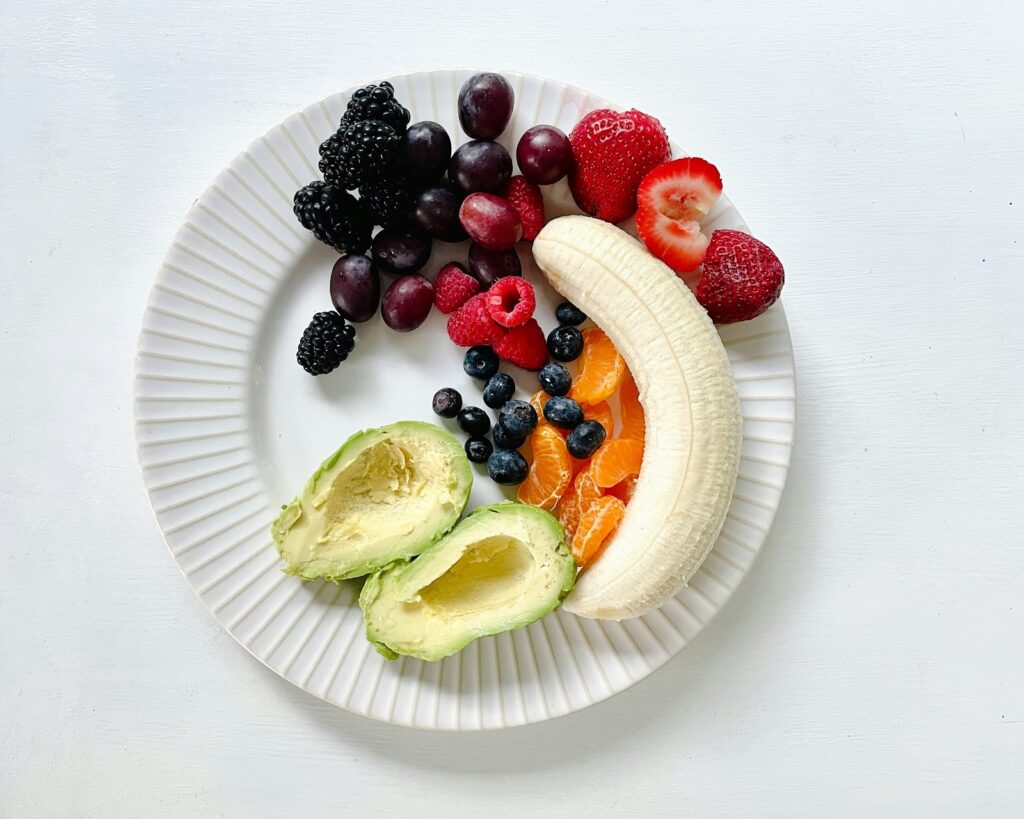
- Avocados
- Citrus fruits including oranges and lemons
- Strawberries and dried fruits
How Foods High in Histamine Affect Your Body
When you consume foods high in histamine beyond your body’s processing capacity, various symptoms can manifest. These reactions typically occur within 30 minutes to two hours after eating.
Physical Symptoms
The physical reactions to excess histamine can range from mild to severe.
- Headaches and migraines
- Skin flushing, hives, or itching
- Nasal congestion and sneezing
- Digestive issues like bloating, diarrhea, or abdominal pain
- Rapid heartbeat or blood pressure changes
Long Term Health Implications
Consistently consuming high histamine foods without proper management may lead to chronic inflammation, persistent digestive disorders, and reduced quality of life. Recognizing your personal triggers becomes essential for maintaining optimal health.
Managing Your Histamine Intake Effectively
Living with histamine sensitivity does not mean eliminating all flavorful foods from your diet. Strategic management allows you to enjoy meals while minimizing uncomfortable reactions.
Dietary Strategies
Implementing practical dietary modifications can significantly reduce symptoms.
- Choose fresh foods over aged or processed alternatives
- Consume meals immediately after cooking rather than storing leftovers
- Freeze proteins promptly to slow histamine development
- Read food labels carefully for hidden histamine sources
- Keep a food diary to identify personal triggers
Supporting Your Body’s Natural Defenses
Certain nutrients and lifestyle practices help your body process histamine more efficiently.
Beneficial Nutrients
- Vitamin C acts as a natural antihistamine
- Vitamin B6 supports DAO enzyme function
- Copper and zinc contribute to histamine metabolism
- Apples and onions contain quercetin which helps stabilize mast cells.
Lifestyle Considerations
Managing stress levels, getting adequate sleep, and maintaining gut health through probiotics can enhance your body’s ability to handle histamine. Some individuals also benefit from DAO supplements taken before meals containing foods high in histamine.
When to Seek Professional Guidance
If you suspect histamine intolerance is affecting your daily life, consulting a healthcare provider or registered dietitian is advisable. They can help rule out other conditions, recommend appropriate testing, and create a personalized elimination diet plan tailored to your specific needs and nutritional requirements.
Conclusion
Understanding foods high in histamine empowers you to take control of your health and minimize uncomfortable symptoms. By identifying your personal dietary triggers, choosing fresh ingredients, and supporting your body with essential nutrients like vitamin C and B6, you can effectively manage histamine intolerance and improve your overall well-being.
Remember that everyone’s tolerance level differs, so maintaining a food diary and working with healthcare professionals helps create a sustainable eating plan. With proper awareness and strategic dietary modifications, you can enjoy delicious meals while keeping histamine levels balanced and your body functioning at its best.