
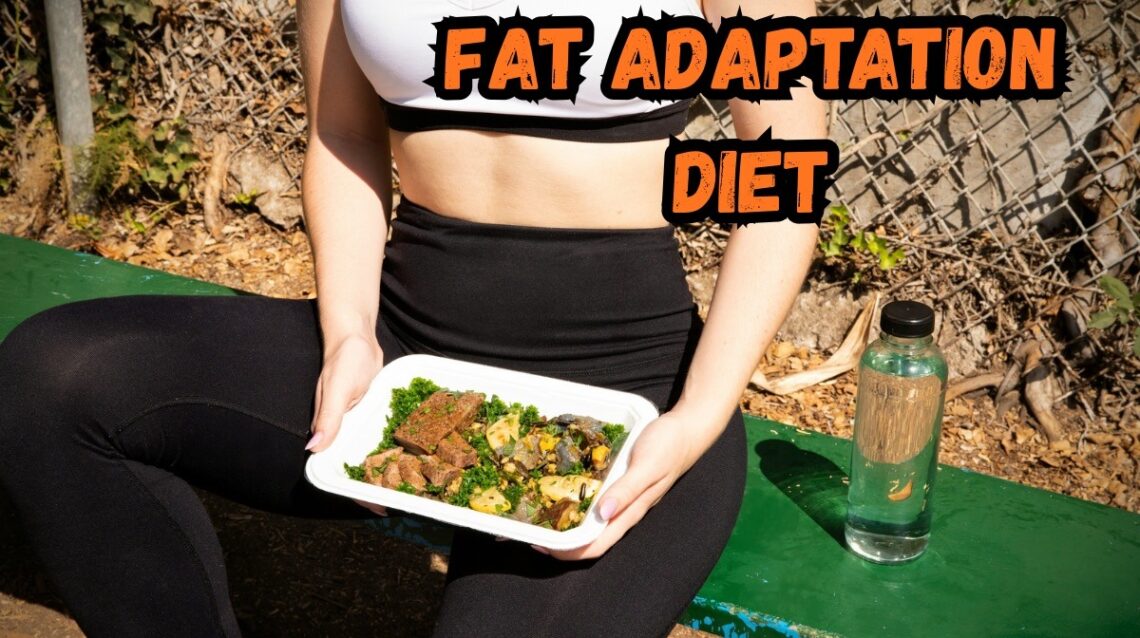
What if your body could tap into its fat stores for endless energy instead of constantly craving carbs? The fat adaptation diet is a metabolic strategy that transforms how your body fuels itself shifting from glucose dependency to efficient fat burning.
This powerful approach has gained popularity among athletes, health enthusiasts, and those seeking sustainable weight management. By following a structured low-carb diet, your body gradually develops metabolic flexibility, allowing it to access stored fat as its primary energy source.
In this comprehensive guide, you’ll discover how fat adaptation works, the science behind ketosis, and practical steps to transition successfully. Whether you’re looking to boost endurance performance or improve your overall energy levels, understanding this dietary approach could revolutionize your relationship with food and fuel your body more efficiently than ever before.
What Is Fat Adaptation?
Fat adaptation refers to a metabolic state where your body becomes highly efficient at using stored fat as its primary fuel source. Unlike typical diets that rely on carbohydrates for quick energy, this approach trains your metabolism to prioritize burning fat.
When you consistently follow a fat adaptation diet, your body undergoes significant changes at the cellular level. Your mitochondria increase in number and become more effective at converting fatty acids into usable energy. This transition typically takes two to eight weeks, depending on individual factors like activity level and dietary consistency.
The Science Behind Metabolic Transformation
How Your Body Switches Fuel Sources
fat adaptation diet Under normal eating patterns, your body uses glucose from carbohydrates as its go-to energy source. However, when carb intake drops significantly, your liver begins producing ketones from stored fat.
This process creates what scientists call metabolic flexibility. Your body learns to seamlessly switch between fuel sources based on availability. The result is more stable energy throughout the day without the typical crashes associated with blood sugar fluctuations.
The Role of Ketosis
Entering nutritional ketosis is a key component of becoming fat adapted. During this state, ketone levels in your blood rise, signaling that your body is actively breaking down fat for fuel. This differs from simply being in ketosis because true fat adaptation involves long-term metabolic changes that persist even when you occasionally consume carbohydrates.
Key Benefits of Becoming Fat Adapted
Following a fat adaptation diet offers numerous advantages for both physical performance and overall health.
- Sustained energy levels without frequent meals or snacks
- Improved mental clarity and cognitive function from stable fuel supply
- Enhanced endurance performance for athletes and active individuals
- Reduced hunger and cravings due to better appetite regulation
- More efficient weight management through consistent fat burning
- Lower inflammation markers associated with chronic diseases
Many endurance athletes report being able to train longer without needing constant refueling. This happens because fat stores provide virtually unlimited energy compared to limited glycogen reserves.
Steps to Successfully Transition
Adjusting Your Macronutrient Intake
The foundation of any fat adaptation diet involves restructuring your macronutrient ratios. Most protocols recommend consuming 70 to 80 percent of calories from healthy fats, 15 to 20 percent from protein, and only 5 to 10 percent from carbohydrates.
Best Foods to Include
Prioritize adding these nutrition-rich foods to your everyday eating routine.
- Avocados and olive oil for monounsaturated fats
- Fatty fish like salmon for omega-3 fatty acids
- Nuts and seeds for healthy fats and minerals
- Grass-fed meats and pasture-raised eggs
- Low-carb vegetables like leafy greens and cruciferous options
Foods to Minimize or Avoid
fat adaptation diet Certain foods can disrupt your progress toward becoming fat adapted.
- Refined sugars and sweetened beverages
- Grains and high-carb starches
- Processed foods with hidden sugars
- Most fruits except berries in moderation

Common Challenges During Adaptation
The Transition Period
Many people experience what’s commonly called keto flu during the first week. Symptoms may include fatigue, headaches, and irritability as your body adjusts to burning fat instead of glucose.
Staying hydrated and maintaining proper electrolyte balance helps minimize these temporary discomforts. Adding extra sodium, potassium, and magnesium to your diet can make the transition smoother.
Social and Lifestyle Adjustments
Following a fat adaptation diet requires planning, especially during social events or travel. Preparing meals ahead and communicating your dietary needs to friends and family makes long-term adherence more manageable.
Who Benefits Most From This Approach
This dietary strategy works particularly well for specific groups.
- Endurance athletes seeking improved stamina and performance
- Individuals with insulin resistance or metabolic syndrome
- Those struggling with constant hunger on traditional diets
- People wanting sustainable body composition changes
However, anyone with existing health conditions should consult a healthcare provider before making significant dietary changes. Pregnant women, those with certain metabolic disorders, and individuals with a history of eating disorders may need alternative approaches.
Conclusion
Embracing a fat adaptation diet represents a powerful shift in how your body produces and uses energy. By reducing carbohydrate intake and prioritizing healthy fats, you can train your metabolism to efficiently burn stored fat for fuel.
The journey requires patience during the initial transition, but the rewards include sustained energy levels, improved mental clarity, and better weight management. Whether you’re an athlete seeking enhanced endurance performance or someone wanting freedom from constant hunger, becoming fat adapted offers a sustainable path forward.
Start gradually, stay consistent, and listen to your body. With dedication, the fat adaptation diet can transform your metabolic health and overall wellbeing for years to come.