
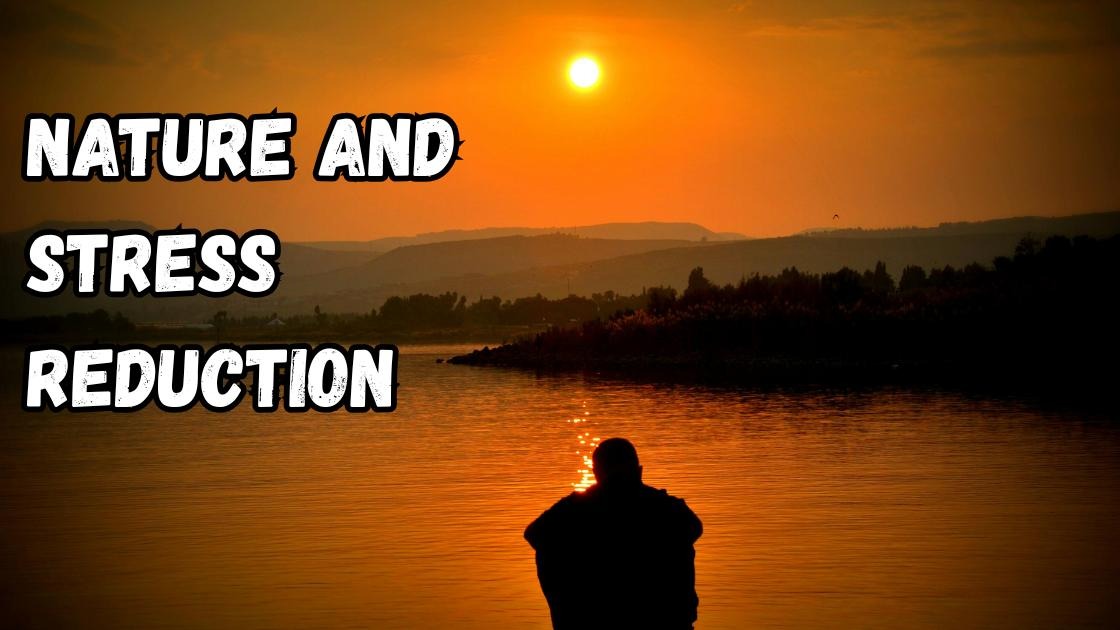
Nature and stress reduction has become a powerful focus in today’s fast-paced, screen-driven world, where mental overload feels almost unavoidable. Stepping outside, even briefly, can reset the mind, soothe emotions, and restore inner balance.
This article explores how natural environments influence mental wellbeing, from lowering cortisol levels to improving focus and emotional resilience. You’ll discover why simple activities like walking in green spaces, listening to natural sounds, or spending time near water can create lasting calm. We’ll also discuss practical ways to reconnect with green spaces, support mental wellbeing, encourage mindfulness, enhance emotional balance, and promote natural relaxation in daily life.
By understanding the science and simple practices behind this connection, you can use nature as an accessible, effective tool to manage stress more naturally and sustainably.
Understanding the Connection Between Nature and Mental Health
Nature and stress reduction refers to the positive impact natural environments have on the human mind and body. From forests and parks to oceans and mountains, nature offers a calming effect that helps counter daily pressures. Research shows that exposure to natural settings supports mental wellbeing, improves mood, and reduces emotional fatigue. This connection is not new; humans have relied on nature for balance and restoration throughout history. In today’s urban lifestyle, reconnecting with green spaces has become more important than ever for maintaining psychological health and emotional stability.
The Science Behind Nature’s Calming Effects
How the Brain Responds to Natural Environments
When people spend time outdoors, the brain shifts into a more relaxed state. Studies indicate that nature and stress reduction works by lowering cortisol levels and slowing heart rate. Natural scenery engages the senses gently, allowing the mind to recover from constant stimulation. This process supports mindfulness, helping individuals stay present and emotionally grounded.
Role of the Nervous System
Natural surroundings activate the parasympathetic nervous system, which is responsible for rest and recovery. This response promotes emotional balance and reduces anxiety. Even brief exposure to natural light or fresh air can trigger relaxation responses that support long term mental resilience.
Importance of Nature in Modern Lifestyles
Urban living often limits access to natural environments, increasing stress and burnout. Nature and stress reduction plays a vital role in counteracting these effects by offering a simple and accessible coping mechanism. Regular interaction with nature supports natural relaxation, improves concentration, and enhances overall quality of life. For professionals, students, and families alike, incorporating nature into daily routines can significantly improve emotional health.
Key Benefits of Spending Time in Nature
Psychological Benefits
Time spent outdoors helps reduce symptoms of anxiety and depression. It encourages positive thinking patterns and strengthens emotional regulation. Nature and stress reduction also supports creativity and problem solving by giving the mind space to reset.
Physical and Emotional Advantages
Beyond mental health, nature promotes physical activity, better sleep, and improved immunity. Emotional wellbeing improves as individuals feel more connected and less overwhelmed by daily demands.
- Improved mood and emotional stability
- Reduced anxiety and mental fatigue
- Enhanced focus and attention span
- Better sleep quality and energy levels
- Stronger sense of inner calm

Practical Ways to Experience Nature Daily
Simple Activities for Busy Schedules
You do not need long vacations to experience nature and stress reduction. Small, consistent actions can make a meaningful difference. Walking in a park, caring for plants, or enjoying natural views during breaks can support mental wellbeing and relaxation.
Incorporating Mindfulness Outdoors
Practicing mindfulness in natural settings deepens the benefits. Paying attention to sounds, textures, and scents strengthens awareness and emotional presence. This approach enhances emotional balance and supports stress management.
- Take short walks in nearby green spaces
- Spend quiet time observing natural surroundings
- Practice deep breathing outdoors
- Reduce screen use while outside
- Create a nature inspired space at home
Challenges and Limitations
While nature and stress reduction is highly effective, access can be limited in densely populated areas. Weather conditions, safety concerns, and time constraints may also reduce opportunities. However, even indirect exposure such as natural imagery or indoor plants can still support natural relaxation and emotional health.
Long Term Impact and Recommendations
Building a consistent relationship with nature strengthens resilience over time. Nature and stress reduction is most effective when practiced regularly rather than occasionally. Combining outdoor activities with healthy routines such as exercise and mindful reflection maximizes benefits. By prioritizing time in green spaces, individuals can create sustainable habits that support long term mental clarity, emotional strength, and overall wellbeing.
Conclusion
In a fast-paced world, nature and stress reduction offers a simple yet powerful way to restore balance and clarity. Throughout this article, we explored how natural environments support mental wellbeing, calm the nervous system, and encourage mindfulness and emotional balance. From scientific insights to practical daily habits, the benefits of reconnecting with green spaces are clear and long-lasting. Making nature a regular part of life promotes natural relaxation, resilience, and overall health. Prioritizing this connection is not a luxury but a practical step toward sustainable stress management and emotional wellbeing.