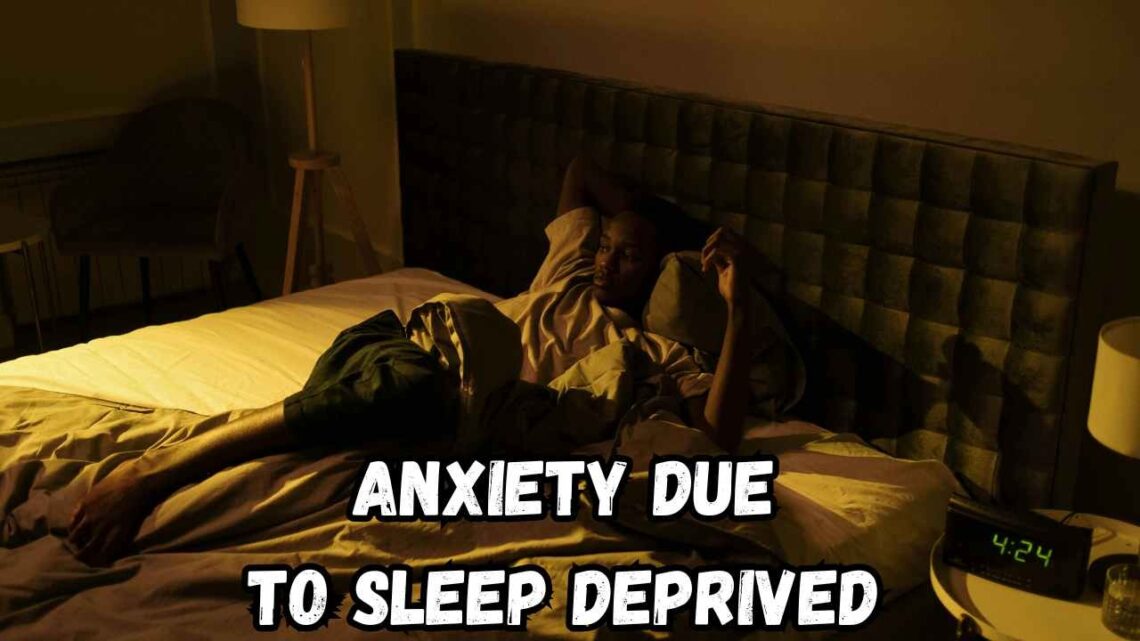
Struggling with anxiety due to sleep deprived nights can feel overwhelming, impacting both your mind and body. Sleep deprivation not only heightens stress levels but also disrupts emotional balance, weakens cognitive function, and reduces overall mental clarity.
In this article, we explore how lack of rest can intensify mood swings, increase irritability, and affect decision-making ability, ultimately influencing daily life. You will also discover practical tips to manage these effects, improve sleep quality, and restore a sense of calm and focus. Understanding the connection between sleeplessness and anxiety is crucial for taking proactive steps toward better mental health and overall well-being.
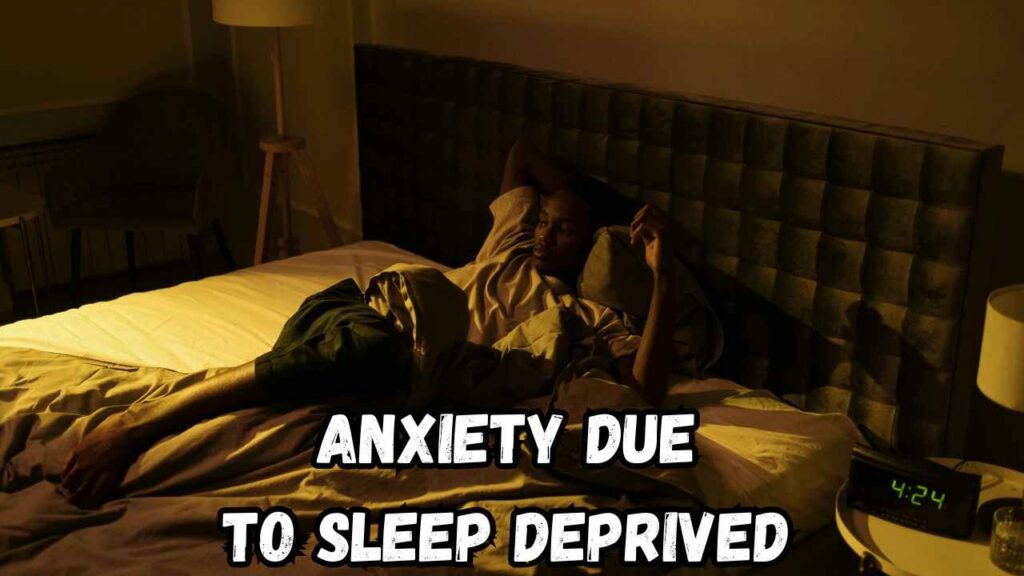
Understanding Anxiety Caused by Sleep Deprivation
Anxiety due to sleep deprived conditions occurs when insufficient rest disrupts normal brain function. Sleep is essential for emotional regulation and cognitive performance. Without adequate sleep, the brain’s ability to manage stress diminishes, leading to heightened stress, irritability, and emotional imbalanceThis condition
The Science Behind Sleep Deprivation and Anxiety
Sleep affects the nervous system and hormonal balance. When sleep is disrupted, the production of cortisol increases, amplifying the stress response and causing feelings of worry or panic. Additionally, neurotransmitters responsible for mood regulation, such as serotonin and dopamine, become imbalanced. Research shows that chronic sleep deprivation is closely linked with long-term mental health issues, including persistent anxiety and mood disorders. Recognizing the biological basis of this connection is crucial for addressing symptoms early.
Key Signs and Symptoms to Recognize
Being aware of the warning signs of anxiety due to sleep deprived with
- Persistent nervousness or restlessness
- Difficulty concentrating and reduced mental clarity
- Frequent mood swings or irritability
- Heightened stress response in everyday situations
- Physical effects like headaches, fatigue, and muscle tension
These signs may vary in intensity, but prolonged sleep deprivation can exacerbate both emotional and physical health challenges.
Common Causes and Contributing Factors
Several factors contribute to sleep deprivation and subsequent anxiety:
- Poor sleep hygiene including irregular sleep schedules
- Excessive exposure to blue light from devices before bed
- High workload pressure and stressful lifestyle choices
- Underlying medical conditions such as insomnia or sleep apnea
- Mental health conditions including depression or chronic stress
Identifying these causes helps in creating targeted strategies to restore healthy sleep and manage anxiety effectively.
Types of Sleep
Sleep deprivation can trigger various forms of anxiety. Some common types include:
Generalized Anxiety
Persistent worry that is exacerbated by lack of sleep, affecting daily performance.
Social Anxiety
Heightened self-consciousness in social interactions due to fatigue-induced emotional vulnerability.
Panic Attacks
Episodes of intense fear or discomfort triggered by poor sleep, often accompanied by physical symptoms such as rapid heartbeat or shortness of breath.
Recognitions
Strategies to Reduce Anxiety from Sleep Deprivation
Managing anxiety due to sleep deprived conditions involves improving sleep quality and incorporating stress-reducing practices. Key steps include:
- Maintain a consistent sleep schedule this
- Create a calming bedtime routine with relaxation techniques
- Limit caffeine and heavy meals before sleep
- Engage in physical activity to regulate energy levels
- Practice mindfulness or meditation to reduce intrusive thoughts
Combining these practices enhances both mental clarity and emotional resilience, reducing the overall impact of sleep deprivation.
Benefits of Restorative Sleep for Anxiety Management
Prioritizing healthy sleep patterns provides numerous advantages:
1.Reduces stress levels and emotional reactivity
2.Improves cognitive function and decision-making abilities
3.Enhances overall mood and emotional stability
4.Strengthens immune system and physical health
5.Supports long-term mental well-being
Adopting these practices not only alleviates anxiety but also contributes to a more balanced and productive lifestyle.

Practical Tips and Recommendations
To combat anxiety due to sleep deprived conditions effectively:
- Track your sleep patterns to identify problem areas
- Limit screen time at least one hour before bed
- Avoid stressful discussions or work late at night
- Use white noise or sleep-friendly environments for better rest
- Seek professional counseling or therapy if anxiety persists
Small, consistent adjustments can yield significant improvements in both sleep quality and emotional health.
Conclusion
Addressing anxiety due to sleep deprived conditions is essential for maintaining both mental and physical health. Chronic sleep loss can disrupt in, weaken cognitive function, and elevate stress levels, making daily tasks more challenging. By understanding the causes, recognizing symptoms, and implementing practical strategies such as sleep hygiene, mindfulness, and consistent routines, individuals can significantly reduce anxiety and improve overall well-being. Prioritizing restorative sleep not only enhances mental clarity but also strengthens resilience, mood, and overall health, empowering a more balanced and productive lifestyle.