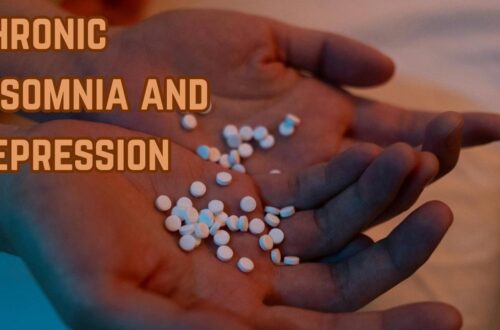

Teenage insomnia and depression are increasingly common challenges that impact the well-being of adolescents today. Many teenagers struggle with sleep disturbances, emotional imbalance, and low motivation, which can significantly affect school performance and social relationships. Understanding the connection between poor sleep patterns and depressive symptoms is essential for early intervention.
In this article, we will explore the causes of sleep deprivation, recognize the signs of mood disorders, and discuss effective strategies for managing both mental health challenges and stress in teens. By addressing these issues, families and caregivers can support healthier routines and emotional resilience, helping teenagers navigate this critical stage of life with greater stability and confidence.

Understanding Teenage Insomnia and Depression
Teenage insomnia and depression are two interconnected issues that significantly affect adolescents’ overall well-being. Insomnia in teenagers is characterized by difficulty falling asleep, staying asleep, or waking up too early, often leading to chronic fatigue, irritability, and reduced concentration. Depression in teens can manifest as persistent sadness, loss of interest in activities, low self-esteem, and changes in appetite or sleep. When these conditions occur together, they can amplify each other, making daily life, academics, and social interactions increasingly challenging.
Understanding these issues is crucial because adolescence is a critical period for brain development, emotional growth, and forming healthy lifestyle habits. Early recognition and intervention can prevent long-term consequences and support healthier mental health outcomes.
Causes of Teenage Insomnia and Depression
Biological Factors
Teenagers experience natural changes in their circadian rhythm, often causing later sleep patterns. Hormonal shifts during puberty can influence both sleep quality and mood regulation. Genetics also play a role, making some teens more susceptible to mental health disorders.
Environmental and Lifestyle Influences
Stress from school, peer pressure, and family issues can disrupt sleep and contribute to depressive symptoms. Overuse of digital devices, excessive caffeine intake, and irregular routines worsen sleep deprivation and increase emotional instability.
Psychological Triggers
Anxiety, social challenges, and past traumas can trigger insomnia and depression. Teens may ruminate on negative thoughts, which interferes with sleep and reinforces feelings of hopelessness.
Signs and Symptoms
Recognizing the signs of teenage insomnia and depression is essential for timely intervention.
Common signs include:
- Difficulty falling asleep or waking frequently during the night
- Persistent sadness or irritability
- Decreased interest in hobbies and social activities
- Trouble concentrating at school
- Changes in appetite or energy levels
Other subtle indicators may include social withdrawal, increased sensitivity to criticism, and frequent complaints of headaches or stomachaches. Awareness of these symptoms helps parents, teachers, and caregivers take action early.
Impact on Daily Life
Teenage insomnia and depression can have wide-ranging effects on a teen’s life.
Academic Performance
Lack of sleep reduces cognitive function, memory retention, and problem-solving abilities. Teens may struggle with attention, completing assignments, and performing well in exams.
Emotional and Social Well-Being
Sleep deprivation and depression affect emotional regulation, making teens more prone to mood swings, frustration, and conflicts with peers. Social isolation may also occur, worsening mental health challenges.
Physical Health
Chronic sleep deprivation can lead to weakened immunity, weight fluctuations, and increased risk of stress-related illnesses. Regular healthy sleep is essential for overall adolescent growth.

Strategies to Manage Teenage Insomnia and Depression
Lifestyle Adjustments
Practical tips include:
- Establish a consistent sleep routine
- Limit screen time before bed
- Encourage regular physical activity
- Maintain a balanced diet
- Practice relaxation techniques like meditation or deep breathing
Professional Support
Therapies such as cognitive behavioral therapy (CBT) can help teens reframe negative thought patterns, improve sleep, and manage depression. Consulting a pediatrician or mental health professional ensures proper guidance and monitoring.
Family and Social Support
Open communication with parents, caregivers, and friends strengthens resilience. Supportive environments reduce stress, provide emotional validation, and encourage teens to maintain healthy routines.
Prevention and Long-Term Recommendations
Preventing teenage insomnia and depression involves proactive lifestyle choices and early interventions. Teens should prioritize sleep hygiene, manage academic and social stress effectively, and engage in hobbies that boost self-esteem and emotional wellness.
Key Recommendations
- Create a sleep-friendly environment with minimal noise and light
- Monitor and regulate screen time and social media use
- Encourage regular physical exercise
- Promote mindfulness practices and relaxation techniques
- Maintain routine mental health check-ins with professionals
By adopting these habits, teenagers can significantly reduce the risk of persistent sleep disturbances, alleviate depressive symptoms, and build long-term emotional resilience.
Conclusion
Addressing teenage insomnia and depression is crucial for supporting adolescents’ mental and physical health. By understanding the causes, recognizing symptoms, and applying effective strategies such as lifestyle changes, professional therapy, and family support, teens can improve their sleep quality, emotional balance, and overall well-being. Early intervention reduces long-term mental health challenges and strengthens resilience. Encouraging consistent routines, healthy habits, and open communication ensures teenagers navigate this critical stage with confidence, focus, and emotional stability, fostering a positive foundation for their future growth and success.