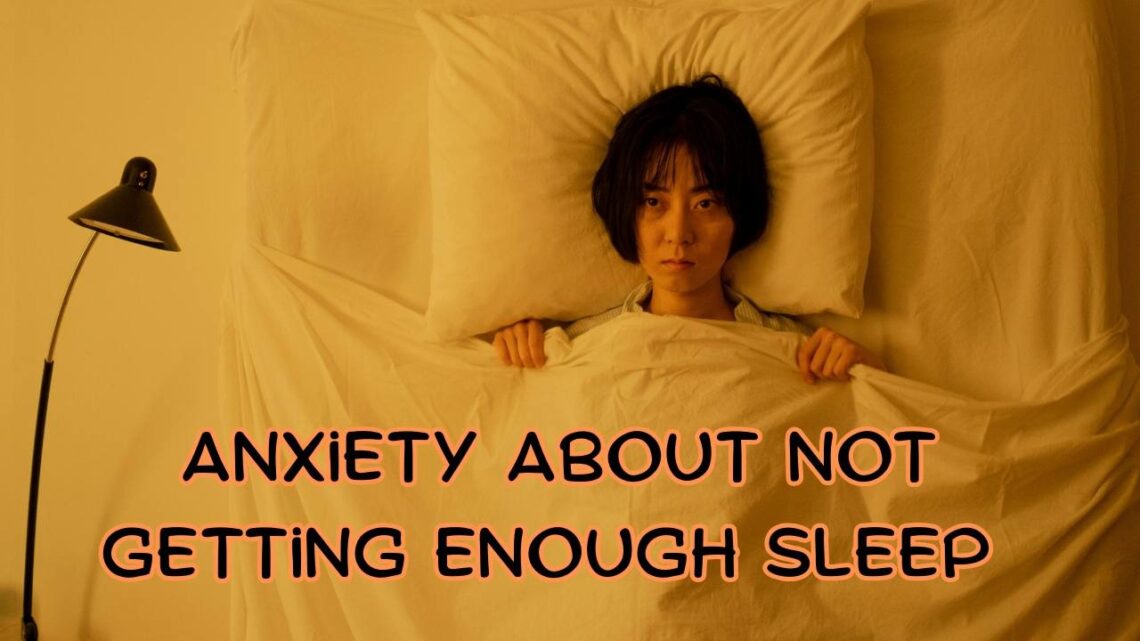
Struggling with anxiety about not getting enough sleep can turn nights into a stressful experience, leaving you restless and overwhelmed. Many people face this challenge, often worrying about insomnia, sleep deprivation, and the impact on their mental health or daily performance.
This constant stress can create a vicious cycle, where the fear of sleeplessness itself makes it harder to fall asleep. In this article, we’ll explore practical strategies to ease sleep-related anxiety, including tips for improving sleep quality, managing stress, and adopting healthy bedtime routines. You’ll also learn how to recognize the signs of sleep anxiety and ways to calm your mind before bed.
By understanding the connection between worry and rest, you can regain control over your nights and wake up feeling refreshed and focused.
Understanding Anxiety About Not Getting Enough Sleep
Anxiety about not getting enough sleep is more than occasional restlessness. It occurs when the fear of insufficient rest begins to affect daily life, leading to heightened stress, worry, and difficulty falling or staying asleep. This condition can create a self-perpetuating cycle where the anxiety itself worsens sleep quality. Experts often link it with insomnia, sleep disorders, and other mental health challenges. Understanding this condition requires exploring its causes, signs, and potential impacts on physical health, emotional well-being, and cognitive performance.
What Causes Sleep Anxiety
Several factors can contribute to sleep anxiety. Chronic stress, irregular sleep schedules, and excessive screen time before bed are common triggers. Lifestyle habits such as consuming caffeine late in the day or engaging in high-intensity exercise at night can also make falling asleep harder. In addition, underlying conditions like depression, generalized anxiety disorder, or post-traumatic stress disorder may intensify the fear of sleeplessness. Recognizing these triggers is essential for creating effective strategies to calm the mind and improve sleep quality.
Signs and Symptoms
People experiencing anxiety about not getting enough sleep often report:
- Racing thoughts at bedtime
- Difficulty falling or staying asleep
- Waking up frequently during the night
- Fatigue and irritability the next day
- Obsessive worry about sleep schedules
Other less obvious signs may include headaches, muscle tension, and an increased reliance on sleep aids. Identifying these symptoms early allows individuals to address the problem before it escalates into chronic sleep deprivation or worsens mental health.
Importance of Managing Sleep Anxiety
Managing sleep anxiety is crucial because poor sleep affects almost every aspect of life. Lack of quality rest can impair memory, decision-making, and emotional regulation. It can also increase the risk of cardiovascular problems, weakened immune function, and chronic fatigue. On the positive side, addressing sleep anxiety can enhance productivity, focus, and overall well-being. People who successfully manage their anxiety often experience more consistent sleep patterns, improved mood, and better physical health outcomes.
Benefits of Reducing Sleep Anxiety
Reducing sleep-related anxiety comes with several advantages:
- Increased energy and alertness during the day
- Improved mental clarity and memory retention
- Reduced stress and emotional reactivity
- Enhanced immune system function
- Lowered risk of developing chronic sleep disorders
By addressing both the psychological and environmental factors, individuals can restore healthy sleep routines and improve overall quality of life.
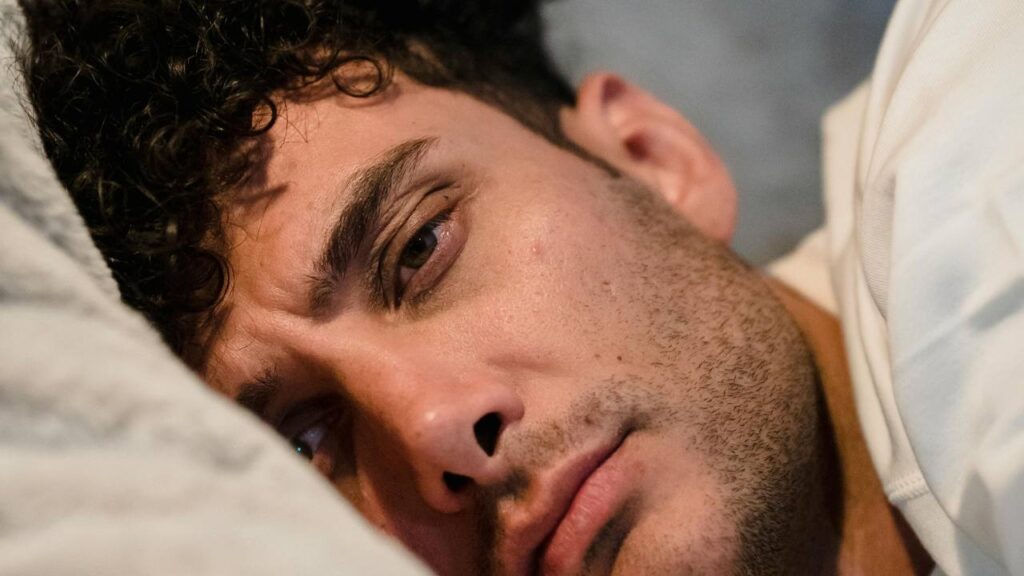
Practical Strategies to Overcome Anxiety About Not Getting Enough Sleep
Establish a Consistent Bedtime Routine
A regular sleep schedule signals the body when it is time to rest. Going to bed and waking up at the same time daily helps regulate the circadian rhythm, reducing nighttime anxiety. Including relaxing activities such as reading, meditation, or gentle stretching can further prepare the mind for sleep.
Create a Sleep-Friendly Environment
Your bedroom plays a critical role in alleviating sleep anxiety.Ensure the room is dark, peaceful, and maintained at a comfortable temperature. Choosing mattresses and pillows that provide proper support can boost comfort. Limiting noise, using earplugs, or incorporating white noise machines may also help create an ideal sleep environment.
Mindfulness and Relaxation Techniques
Practicing mindfulness, deep breathing exercises, or progressive muscle relaxation can calm an overactive mind. These techniques reduce stress hormones and promote the release of sleep-inducing melatonin, helping individuals transition into deeper, restorative sleep.
Limit Stimulants and Screen Time
Avoiding caffeine, energy drinks, and excessive screen exposure before bedtime prevents the nervous system from becoming overstimulated. Blue light from devices can suppress melatonin production, making it harder to fall asleep. Creating a pre-sleep digital detox routine is highly beneficial.
Seek Professional Guidance
For persistent sleep anxiety, consulting a sleep specialist or therapist trained in cognitive behavioral therapy for insomnia (CBT-I) can be transformative. Professional support helps individuals identify negative thought patterns, develop coping mechanisms, and regain confidence in their ability to sleep.
Types of Sleep Anxiety
Sleep anxiety can manifest in several ways:
- Pre-sleep anxiety: Worrying about not falling asleep before bedtime
- Nighttime awakenings: Anxiety triggered by waking in the middle of the night
- Performance anxiety: Stress over not getting “enough hours” of sleep
- Chronic sleep anxiety: Long-term fear of insufficient rest affecting daily life
Understanding the type of anxiety helps tailor solutions to individual needs and lifestyle.
Recommendations for Anxiety About Not Getting Enough Sleep
Consistency is key when dealing with anxiety about not getting enough sleep. Combining healthy sleep habits, stress management techniques, and a supportive environment can drastically improve sleep quality. Journaling worries before bed, practicing daily relaxation exercises, and limiting late-night screen use are actionable steps everyone can adopt. With patience and persistence, it is possible to break the cycle of sleep anxiety and enjoy restorative nights regularly.
Conclusion
Dealing with anxiety about not getting enough sleep is essential for maintaining both mental health and physical well-being. By understanding the causes, recognizing symptoms, and applying effective strategies such as consistent bedtime routines, stress management, and mindfulness techniques, individuals can break the cycle of sleep-related worry. Creating a sleep-friendly environment and seeking professional support when needed further enhances sleep quality. Prioritizing healthy sleep habits not only reduces insomnia and nighttime stress but also improves focus, energy, and overall daily performance.