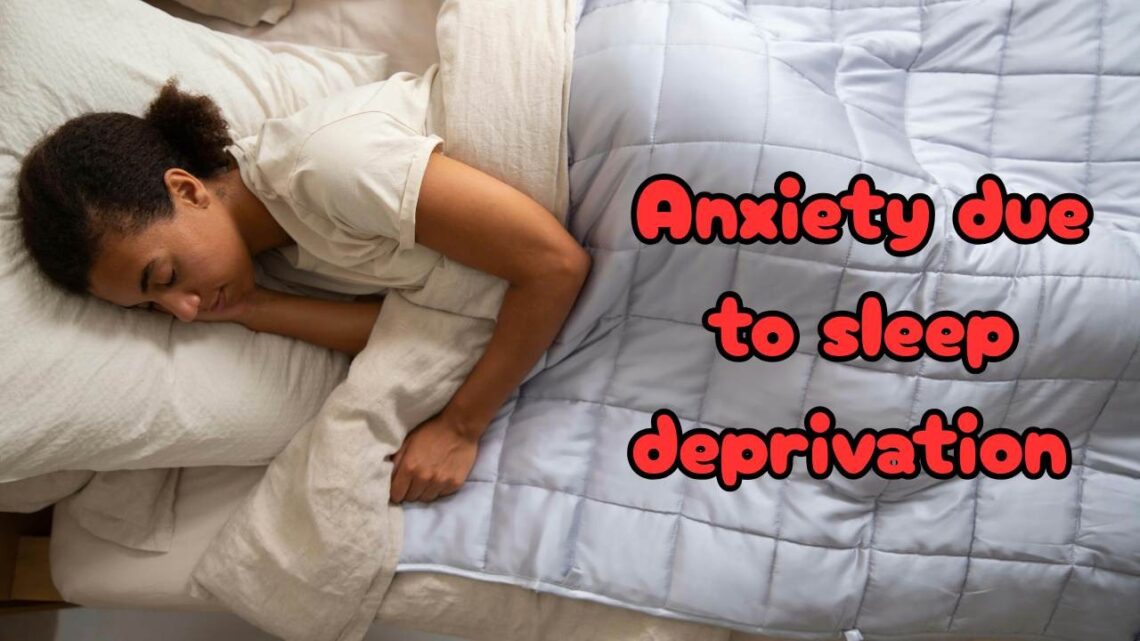
Anxiety due to sleep deprivation often begins quietly one restless night turns into many, and suddenly your mind feels constantly on edge. When the body misses proper rest, the brain struggles to regulate emotions, making worry, fear, and tension feel overwhelming.
This article explores how lack of sleep disrupts emotional stability, heightens stress responses, and weakens mental resilience. You’ll learn about the connection between poor sleep and mental health, the role of chronic insomnia, and why stress hormones rise when rest is ignored. We’ll also touch on sleep quality, emotional regulation, and practical awareness to support healthy sleep habits. By understanding this link, you can take informed steps toward calmer thoughts, improved focus, and a more balanced daily life.
Understanding Anxiety Due to Sleep Deprivation
Anxiety due to sleep deprivation refers to heightened feelings of fear, worry, or restlessness that arise when the body and mind are not getting enough restorative sleep. Sleep is essential for emotional processing, memory consolidation, and stress control. When sleep is consistently disrupted, the brain’s ability to manage emotions weakens, making anxious thoughts more frequent and intense. This condition is closely linked with mental health, sleep disorders, and long term emotional imbalance. Understanding its roots helps explain why improving rest often leads to calmer thinking and better daily functioning.
The Science Behind Sleep and Emotional Regulation
How the Brain Responds to Sleep Loss
Sleep directly affects how the brain regulates emotions. During deep sleep, the brain resets neural pathways responsible for mood control. Without enough rest, the amygdala, which processes fear, becomes overactive, while the rational prefrontal cortex becomes less effective. This imbalance increases vulnerability to anxiety symptoms and emotional overreactions. Over time, anxiety due to sleep deprivation can feel constant rather than situational.
Role of Stress Hormones
Lack of sleep raises cortisol levels, also known as stress hormones. Elevated cortisol keeps the body in a state of alertness, making relaxation difficult. This constant stress response disrupts emotional regulation and reinforces anxious patterns, especially in people already sensitive to stress.
Common Causes of Sleep Deprivation
Lifestyle and Environmental Factors
Modern lifestyles often encourage poor sleep habits. Excessive screen time, irregular schedules, and high caffeine intake interfere with natural sleep cycles. Environmental noise and light further reduce sleep quality, increasing the risk of anxiety due to sleep deprivation.
Health Related Triggers
Medical and psychological conditions also contribute. Chronic insomnia, depression, and certain medications can prevent deep, restorative sleep. These issues create a cycle where anxiety worsens sleep, and poor sleep intensifies anxiety.
Key Symptoms and Warning Signs
People experiencing this condition may notice both mental and physical changes. Common signs include constant worry, irritability, difficulty concentrating, and emotional sensitivity. Physical symptoms such as fatigue, headaches, and rapid heartbeat are also common. Recognizing these early signs is important, as untreated anxiety due to sleep deprivation can impact work performance, relationships, and overall wellbeing.
Why This Condition Matters
Impact on Daily Life
Sleep related anxiety affects decision making, productivity, and social interactions. Even simple tasks can feel overwhelming when the mind is exhausted. Over time, reduced focus and motivation may interfere with personal and professional goals, highlighting the importance of addressing sleep health early.
Long Term Mental Health Risks
If ignored, this condition can increase the risk of long term mental health issues such as generalized anxiety disorder or depression. Chronic sleep loss weakens coping mechanisms, making it harder to manage stress effectively.
How Anxiety Due to Sleep Deprivation Develops
The Vicious Cycle Explained
Poor sleep leads to anxious thoughts, and anxiety then makes it harder to fall or stay asleep. This repeating loop strengthens negative thought patterns. Breaking this cycle requires understanding how anxiety due to sleep deprivation works and addressing both sleep and emotional triggers together.
Individual Sensitivity Differences
Not everyone reacts to sleep loss the same way. Genetics, lifestyle, and existing stress levels influence how strongly sleep deprivation affects anxiety. Some people may experience mild tension, while others face intense emotional distress.

Practical Strategies to Reduce the Impact
Healthy Sleep Supporting Habits
Improving sleep hygiene can significantly reduce anxiety symptoms. Consistent routines and calming environments support better rest and emotional balance.
- Maintain a regular sleep and wake schedule
- Reduce screen exposure before bedtime
- Create a dark and quiet sleeping environment
- Limit caffeine and heavy meals at night
- Practice relaxation techniques before sleep
Emotional and Mental Support Techniques
Addressing emotional stress during the day can also improve nighttime rest. Mindfulness, journaling, and professional counseling help reduce mental overload. These approaches strengthen emotional resilience and reduce reliance on stress responses.
- Practice deep breathing or meditation
- Write down worries before bedtime
- Engage in regular physical activity
- Seek guidance from a mental health professional
- Build consistent healthy sleep habits
Recommendations for Long Term Balance
Managing anxiety due to sleep deprivation requires patience and consistency. Combining improved sleep routines with stress management techniques offers the best results. Prioritizing rest is not a luxury but a necessity for emotional stability, focus, and long term wellbeing. By addressing both sleep quality and mental health together, individuals can restore balance and reduce anxiety naturally.
Conclusion
Managing anxiety due to sleep deprivation starts with understanding how deeply sleep affects emotional balance and mental clarity. Poor rest disrupts brain function, increases stress hormones, and weakens emotional regulation, creating a cycle that fuels anxiety. By improving sleep quality, addressing chronic insomnia, and building healthy sleep habits, individuals can regain control over their mental wellbeing. Prioritizing rest alongside stress management is essential for long term mental health. Small, consistent changes can lead to calmer thoughts, better focus, and a more balanced daily life.