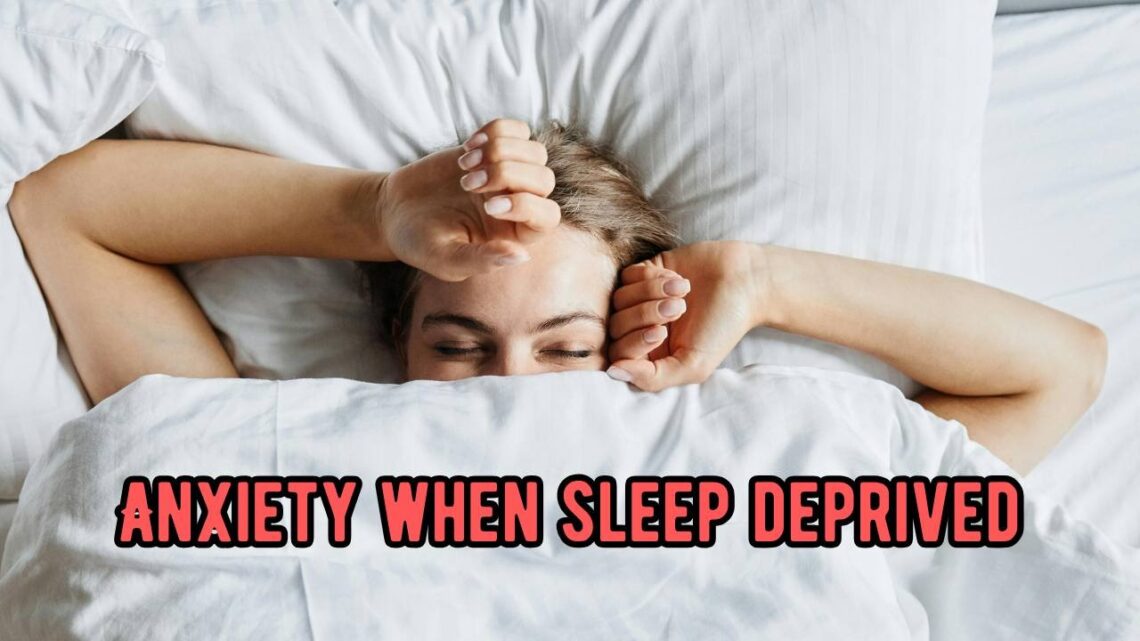
Anxiety when sleep deprived can feel overwhelming, especially when exhaustion makes even small worries seem unmanageable. A restless night doesn’t just drain physical energy it disrupts emotional balance, focus, and resilience. When the brain is denied proper rest, stress hormones rise, thoughts race faster, and calm decision-making becomes harder.
This article explores how poor sleep intensifies anxious feelings, why the mind becomes more sensitive to fear signals, and how this cycle affects daily life. You’ll also learn practical insights into sleep deprivation effects, mental health and sleep, stress and fatigue, emotional regulation, and nervous system imbalance. By understanding this connection, you can take informed steps to restore rest, regain control, and support long-term emotional well-being.
Understanding Anxiety When Sleep Deprived
Anxiety when sleep deprived is a common yet often overlooked issue that affects both mental and physical health. Sleep deprivation occurs when the body does not get the recommended 7–9 hours of rest, which disrupts the brain’s ability to regulate emotions effectively. People experiencing this condition often report racing thoughts, irritability, and heightened sensitivity to stress. Understanding the connection between sleep deprivation effects, mental health, and stress response is essential for managing anxiety and improving overall well-being.
What Causes Anxiety When Sleep Deprived
Sleep plays a crucial role in emotional regulation. When sleep is inadequate, the brain’s amygdala, which controls fear and stress responses, becomes overactive. At the same time, the prefrontal cortex, responsible for rational thinking, loses efficiency. This imbalance can make small worries feel overwhelming and triggers nervous system imbalance. Common causes include:
- Inconsistent sleep schedules that disrupt circadian rhythm
- High-stress environments or demanding work schedules
- Pre-existing health issues like insomnia or sleep apnea
- Spending too much time on screens before sleep, which disrupts natural melatonin release.
- Lifestyle habits like caffeine or alcohol consumption close to bedtime
Effects of Sleep Deprivation on Mental Health
Lack of rest impacts the brain’s ability to manage stress effectively. People with anxiety when sleep deprived may notice:
- Increased irritability and mood swings
- Difficulty concentrating on tasks or making decisions
- Heightened physical symptoms like rapid heartbeat or muscle tension
- Difficulty controlling racing thoughts
- Amplified response to minor stressors
Over time, these effects can contribute to chronic stress, depression, and decreased overall life satisfaction. Recognizing these early signs is critical to preventing long-term consequences.
Key Features of Anxiety Triggered by Sleep Loss
Heightened Emotional Sensitivity
Sleep deprivation reduces emotional resilience. Even routine challenges can feel threatening, leading to an exaggerated stress response. People may find themselves overanalyzing situations or fearing outcomes that are unlikely.
Cognitive Impairments
A tired brain struggles to focus. Memory lapses, difficulty learning new information, and poor judgment are common when experiencing sleep deprivation effects. This can create a vicious cycle where mistakes increase stress, which further worsens anxiety.
Physical Symptoms
Nervous system imbalance caused by sleep loss can manifest physically. Symptoms may include headaches, fatigue, muscle tension, and an elevated heart rate. Recognizing these signs helps differentiate normal tiredness from more severe anxiety-related conditions.
Increased Risk of Mental Health Disorders
Long-term sleep deprivation combined with chronic anxiety can lead to mental health disorders such as depression, panic attacks, and generalized anxiety disorder (GAD). Addressing sleep issues early is a preventive measure against these complications.
How Sleep Deprivation Intensifies Anxiety
Disruption of Hormonal Balance
Insufficient sleep increases cortisol levels, the body’s main stress hormone.Elevated cortisol increases stress and fatigue, making it harder to cope with challenges.
Impaired Emotional Regulation
The prefrontal cortex’s diminished function reduces the ability to rationally assess stressors. This explains why minor setbacks may feel catastrophic to someone experiencing anxiety when sleep deprived.
Vicious Cycle of Sleep and Anxiety
- Poor sleep triggers anxiety
- Anxiety makes falling asleep harder
- Lack of sleep worsens anxiety symptoms
- Cycle repeats and intensifies over time
- Long-term sleep disruption can lead to chronic mental health issues
Breaking this cycle requires targeted strategies that improve both sleep quality and emotional resilience.

Tips to Reduce Anxiety Caused by Sleep Deprivation
Prioritize Sleep Hygiene
Create a calming nighttime routine, keep your bedroom dark and quiet, and avoid caffeine or alcohol before bed.
Practice Relaxation Techniques
Meditation, deep breathing exercises, and gentle yoga can reduce stress response and improve emotional regulation.
Maintain a Consistent Schedule
Going to bed and waking up at the same time daily supports your circadian rhythm and reduces the likelihood of nervous system imbalance.
Seek Professional Support
Therapists can offer cognitive-behavioral strategies to manage both sleep issues and anxiety effectively.
Monitor Lifestyle Factors
Healthy diet, regular physical activity, and reduced screen time contribute to better sleep and lower anxiety levels.
Recommendations and Use Cases
Addressing anxiety when sleep deprived requires a holistic approach that combines lifestyle changes, emotional support, and sometimes medical intervention. Individuals who implement consistent sleep schedules, relaxation practices, and professional guidance often report significant reductions in anxiety. This approach benefits students facing exam stress, professionals with demanding schedules, and anyone experiencing chronic sleep disturbances.
Understanding how lack of sleep affects mental and physical health allows individuals to take proactive steps. Improving sleep quality not only reduces stress and fatigue but also strengthens emotional regulation, enhances focus, and promotes overall well-being.
Conclusion
In conclusion, anxiety when sleep deprived significantly impacts both mental and physical well-being. Sleep deprivation amplifies stress, reduces emotional resilience, and disrupts cognitive functions, making everyday challenges feel overwhelming. By understanding the connection between sleep deprivation effects, stress response, and nervous system imbalance, individuals can adopt practical strategies such as improving sleep hygiene, practicing relaxation techniques, and seeking professional guidance. Prioritizing rest not only alleviates anxious feelings but also strengthens emotional regulation, enhances focus, and promotes long-term mental health. Taking proactive steps can break the cycle of anxiety and poor sleep, supporting overall wellness.