
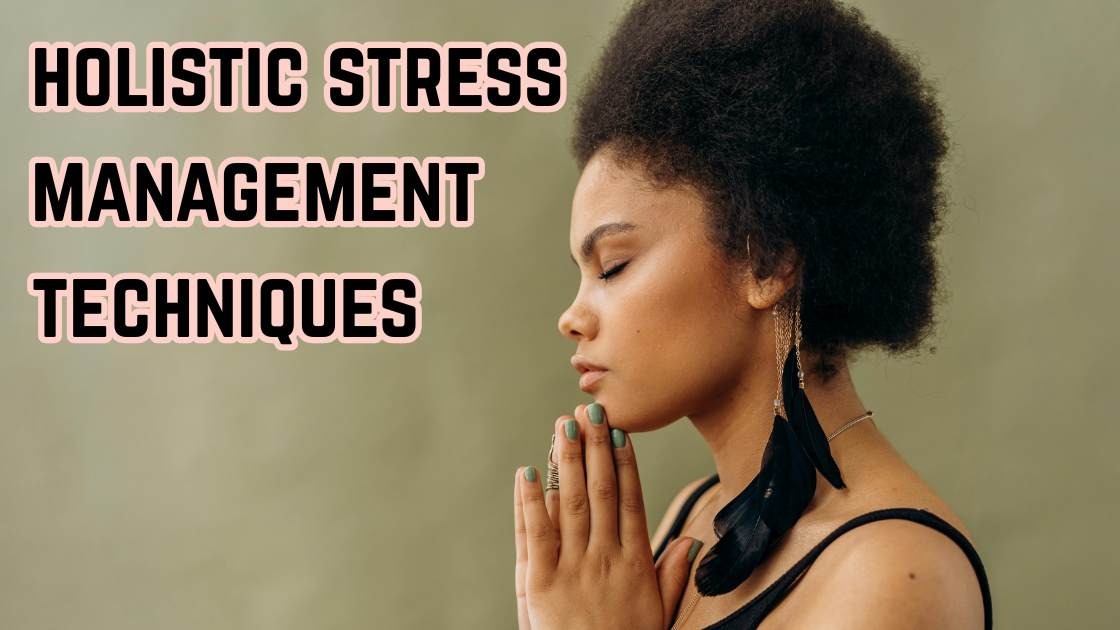
Managing daily pressures can feel overwhelming, but holistic stress management techniques offer a balanced and natural approach to regain calm and focus. In today’s fast-paced world, many people struggle with anxiety relief, mindfulness practices, and emotional well-being, often seeking solutions that address both body and mind.
This article explores practical strategies, from meditation exercises and breathing techniques to yoga routines and healthy lifestyle habits, designed to reduce stress and enhance overall mental clarity. By adopting these techniques, readers can learn how to manage tension proactively, improve sleep quality, and boost resilience against daily challenges. Whether you’re looking for simple daily routines or comprehensive approaches to achieve inner peace, this guide provides actionable insights that integrate naturally into your lifestyle, helping you cultivate lasting calm and balance in every aspect of life.
Understanding Holistic Stress Management Techniques
Holistic stress management techniques refer to methods that address stress by considering the mind, body, and spirit as interconnected components. Unlike conventional approaches that focus solely on symptom relief, holistic strategies aim to balance emotional, physical, and mental health. The concept has roots in ancient practices such as yoga, meditation, and Ayurvedic therapies, emphasizing the importance of harmony in daily life. In modern times, these techniques have gained recognition for their effectiveness in managing chronic stress, anxiety, and lifestyle-related health challenges. By integrating natural approaches, individuals can achieve long-term well-being rather than temporary relief.
Holistic stress management not only improves emotional resilience but also enhances overall mental clarity and physical vitality. It encourages self-awareness, helping individuals identify stress triggers and adopt strategies that align with personal needs.
Key Features of Holistic Stress Management Techniques
Holistic approaches share several distinguishing features:
1. Mind-Body Connection
These techniques emphasize the interplay between thoughts, emotions, and physical health. Practices like meditation and mindfulness exercises strengthen awareness of this connection, reducing emotional reactivity and promoting calm.
2. Personalized Approach
Unlike one-size-fits-all solutions, holistic methods consider individual lifestyle, preferences, and health conditions. Customizing techniques ensures better adherence and sustainable stress reduction.
3. Preventive and Therapeutic Benefits
Holistic strategies focus not only on managing existing stress but also on preventing future episodes. Incorporating healthy lifestyle habits, such as balanced nutrition and physical activity, supports long-term resilience.
4. Integration of Multiple Practices
Successful programs often combine breathing exercises, yoga, journaling, aromatherapy, and relaxation techniques to provide a comprehensive toolkit for managing stress.
5. Mindfulness and Self-Reflection
Central to holistic methods is developing awareness and practicing self-compassion. This improves emotional regulation and reduces negative thinking patterns that exacerbate stress.
Benefits and Advantages of Holistic Stress Management Techniques
The benefits of holistic stress management techniques extend beyond stress relief, making them valuable for overall well-being:
1. Enhanced Mental Health
Regular practice reduces anxiety, improves focus, and promotes emotional stability. Mindfulness and meditation help in cultivating a positive mindset.
2. Physical Health Improvement
Stress negatively impacts immunity, heart health, and sleep. Techniques such as yoga and breathing exercises support cardiovascular health, strengthen the body, and enhance sleep quality.
3. Increased Productivity and Performance
Lower stress levels improve concentration, decision-making, and energy levels, boosting both personal and professional productivity.
4. Emotional Resilience
Holistic practices foster emotional intelligence and coping skills, helping individuals navigate challenges without feeling overwhelmed.
5. Sustainable Lifestyle Changes
Incorporating nutrition, exercise, and relaxation routines leads to long-term health benefits, unlike temporary fixes offered by quick stress-relief methods.

Popular Holistic Techniques
Meditation and Mindfulness
Meditation involves focused attention and awareness, which helps calm the mind and reduce anxiety. Mindfulness practices encourage living in the present moment, which prevents overthinking and mental fatigue. Beginners can start with short daily sessions, gradually extending the duration for maximum benefit.
Yoga and Physical Activity
Yoga combines physical postures with controlled breathing to release tension and improve physical flexibility. Regular movement through exercises like walking, swimming, or tai chi also reduces stress hormones and enhances mood.
Breathing Techniques
Breathing exercises such as deep diaphragmatic breathing and box breathing regulate the nervous system and trigger relaxation responses. These techniques are easy to integrate into daily routines, even during high-stress moments.
Journaling and Creative Outlets
Writing down thoughts and emotions through journaling can provide clarity and perspective, reducing mental clutter. Creative activities such as painting, music, or crafts also act as effective stress relievers.
Nutrition and Lifestyle Adjustments
Maintaining a balanced diet rich in whole foods, reducing caffeine and sugar, and staying hydrated support brain function and emotional stability. Adequate sleep, consistent routines, and social connections further strengthen resilience against stress.
Challenges and Recommendations
While holistic stress management techniques are highly effective, they require consistent practice and patience. Some individuals may initially struggle with time management, self-discipline, or finding the right combination of techniques. To overcome these challenges:
- Start small and gradually integrate multiple practices.
- Track progress through journaling or mobile apps.
- Seek guidance from certified practitioners if needed.
- Combine techniques with professional mental health support when dealing with chronic stress or anxiety.
- Make holistic practices a part of daily routines rather than occasional activities.
Consistency is key, and even a few minutes per day can produce measurable benefits over time.
Conclusion
Adopting holistic stress management techniques can transform the way we handle daily pressures, offering lasting relief for both mind and body. Practices like meditation, yoga, breathing exercises, and healthy lifestyle habits not only reduce anxiety but also enhance emotional well-being and mental clarity. By integrating these methods into daily routines, individuals build resilience, improve sleep, and cultivate a balanced life. Embracing holistic strategies empowers proactive stress management, fostering inner peace, focus, and overall vitality for long-term personal and professional growth.