

In today’s fitness-driven world, athletes, fitness enthusiasts, and even everyday individuals are constantly searching for effective methods to improve strength, speed, and endurance. One of the most effective ways to achieve these goals is through Power Training. Unlike traditional strength workouts, this method focuses on explosiveness, quick movements, and maximum energy output. Whether you are a beginner or a seasoned athlete, understanding the principles of Power Training can transform the way you train and perform in daily life.
What is Power Training?
Power Training is a type of workout designed to increase both strength and speed. Instead of lifting heavy weights slowly, the exercises involve moving resistance quickly with explosive force. Think of activities like sprinting, jumping, or performing Olympic lifts. The goal is not just to build muscle, but to make those muscles react faster and with more efficiency.
This style of training is essential for athletes who rely on quick bursts of energy such as football players, basketball athletes, sprinters, and martial artists. However, it also benefits non-athletes by improving coordination, stability, and functional strength for daily tasks.
Benefits of Power Training
Incorporating Power Training into your fitness routine brings a wide range of benefits:
- Improved Athletic Performance
Athletes gain explosive speed, agility, and reaction time, which are vital for competitive sports. - Increased Strength and Speed
Unlike slow strength training, Power Training combines strength with velocity, making your muscles both strong and fast. - Enhanced Functional Fitness
Everyday tasks like climbing stairs, lifting objects, or even running for the bus become easier and safer. - Better Bone and Joint Health
Quick, controlled movements stimulate bone density and strengthen connective tissues, reducing injury risks. - Boosted Metabolism
Explosive exercises burn more calories in a shorter period, making Power Training effective for weight management.
Key Components of Power Training
To fully benefit from Power Training, it is important to understand its main elements:
1. Explosive Strength Exercises
Movements like jump squats, box jumps, and medicine ball throws are staples of this type of training. They condition your muscles to respond quickly and efficiently.
2. Resistance Training with Speed
Unlike traditional heavy lifting, Power Training uses moderate weights moved rapidly. Exercises such as power cleans, push presses, and kettlebell swings help build both strength and acceleration.
3. Plyometrics
Plyometric exercises, including burpees, clap pushups, and hurdle jumps, improve muscle elasticity and explosive energy output.
4. Core Stability
A strong core is essential for effective Power Training. Exercises like planks, rotational throws, and explosive sit-ups ensure stability during fast movements.
How to Start Power Training Safely
For beginners, starting Power Training should be gradual. Since the exercises are explosive, performing them with improper form may lead to injury. Here are some tips:
- Warm Up Properly: Always begin with dynamic stretches and light cardio to prepare your muscles.
- Focus on Technique: Start with bodyweight exercises before progressing to weights.
- Progress Gradually: Add intensity and resistance slowly to avoid overtraining.
- Rest and Recovery: Your muscles need time to repair, so ensure proper rest between sessions.
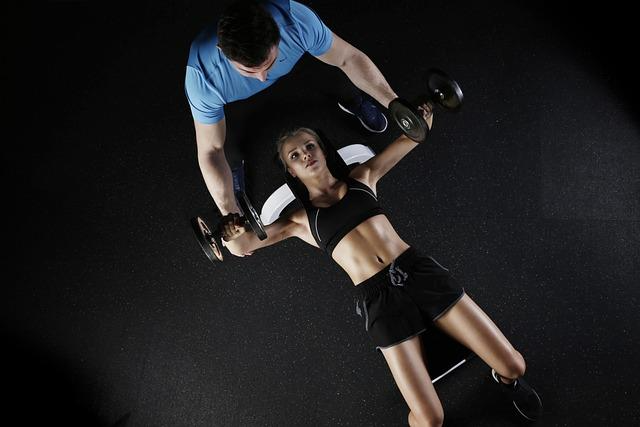
- Seek Professional Guidance: If possible, work with a trainer experienced in Power Training techniques.
Sample Power Training Workout
Here’s a simple routine you can try twice a week:
- Jump Squats – 3 sets of 12 reps
- Medicine Ball Slams – 3 sets of 15 reps
- Kettlebell Swings – 3 sets of 12 reps
- Push Press with Dumbbells – 3 sets of 10 reps
- Burpees with Jump – 3 sets of 10 reps
This routine activates both the upper and lower body while improving speed and endurance.
Power Training vs. Strength Training
Many people confuse Power Training with traditional strength training. While both build muscle, they differ in approach and outcome. Strength training focuses on lifting heavy weights at a slower pace, improving raw strength and muscle size. On the other hand, Power Training emphasizes velocity, teaching muscles to generate force quickly.
Athletes often combine both methods to maximize performance using strength training to build muscle mass and Power Training to convert that strength into real-world explosiveness.
Who Should Do Power Training?
- Athletes: To enhance performance in sports requiring speed and agility.
- Fitness Enthusiasts: To diversify workouts and avoid plateaus.
- Older Adults: To improve balance, coordination, and prevent falls.
- Anyone Seeking Fat Loss: Because Power Training burns high calories in less time.
Final Thoughts
Power Training is more than just a fitness trend it is a proven method to build explosive strength, improve athletic performance, and enhance daily functional fitness. By incorporating controlled, fast-paced movements, you can train your body to be not just strong, but quick, agile, and resilient. Whether you’re an athlete aiming for peak performance or someone looking to stay active and healthy, adding Power Training to your fitness routine can be a game-changer.
Start small, focus on technique, and progress gradually. With consistency, Power Training will not only transform your workouts but also empower your everyday life.