

Breast health is an essential part of women’s overall well-being, and timely detection of abnormalities can make a significant difference in treatment outcomes. Among the various tools available for breast imaging, the diagnostic mammogram plays a vital role in identifying potential issues when symptoms are present or when abnormalities are detected during routine screenings. Unlike a regular screening mammogram, which is performed on women without any symptoms, a diagnostic mammogram is specifically designed to provide detailed images for further evaluation.
Promoting awareness of the diagnostic mammogram is critical in ensuring that women seek timely care, reduce health risks, and embrace preventive healthcare practices.
What Is a Diagnostic Mammogram?
A diagnostic mammogram is a specialized type of breast X-ray that focuses on detecting and evaluating unusual findings in breast tissue. It is more detailed than a screening mammogram and is used when a lump, nipple discharge, breast pain, or other symptoms raise concern. It may also be recommended if a routine screening identifies suspicious areas that require closer inspection.
The diagnostic mammogram uses different angles and magnified views, allowing radiologists to closely examine areas of concern. This helps in detecting whether the abnormality is benign, needs monitoring, or requires further testing such as a biopsy.
When Is a Diagnostic Mammogram Needed?
Women may be advised to undergo a diagnostic mammogram under the following circumstances:
- When a lump or thickened area is felt in the breast.
- If there is nipple discharge, particularly if it is bloody or unusual.
- In cases of unexplained breast pain or skin changes.
- When a screening mammogram shows suspicious findings.
- For women with a history of breast cancer who need closer monitoring.
The diagnostic mammogram is an essential step in ruling out serious conditions or confirming the need for further investigation.
How Is a Diagnostic Mammogram Different from Screening?
One of the most important distinctions to highlight in diagnostic mammogram awareness is how it differs from regular screening. A screening mammogram is typically quick and performed on women who have no symptoms, often as part of routine annual or bi-annual check-ups.
In contrast, the diagnostic mammogram is more comprehensive, involving additional images and sometimes different positioning to give doctors a clearer view of specific areas. This process may take longer but provides more accuracy in detecting small or hidden abnormalities.
Importance of Early Detection
The main benefit of a diagnostic mammogram lies in its ability to aid early detection of breast cancer and other issues. Breast cancer, when caught in its earliest stages, has a much higher survival rate and can often be treated with less aggressive therapies.
By encouraging women to undergo a diagnostic mammogram when symptoms arise, healthcare professionals can ensure conditions are caught before they progress. Early detection not only improves treatment outcomes but also reduces emotional stress and financial burdens associated with late-stage diagnoses.
The Procedure: What to Expect
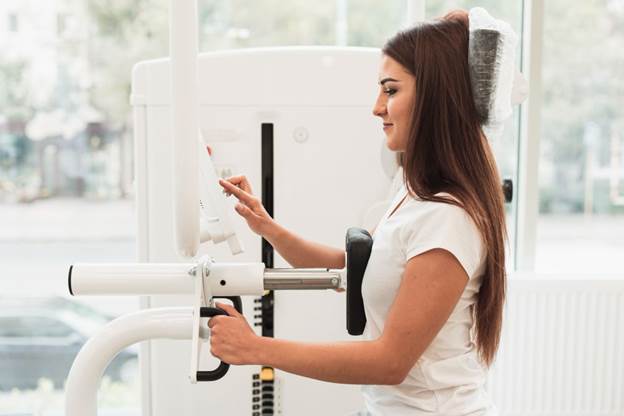
Many women feel anxious before a diagnostic mammogram, but understanding the process can help ease fears. The procedure typically involves:
- Preparation – Women are asked not to use deodorant, powders, or lotions, as these can interfere with the images.
- Positioning – The breast is placed on a flat surface and gently compressed with a paddle to spread tissue evenly for clear images.
- Imaging – Multiple X-rays are taken from different angles, including magnified or spot-compression views of specific areas.
- Review – A radiologist carefully examines the images to determine whether abnormalities are present and if further testing is necessary.
While compression may cause temporary discomfort, the benefits of a diagnostic mammogram far outweigh the brief inconvenience.
Who Should Consider a Diagnostic Mammogram?
Though often recommended for women over 40, a diagnostic mammogram may be needed at any age if symptoms are present. Women with dense breast tissue, a strong family history of breast cancer, or genetic risk factors such as BRCA1/BRCA2 mutations may also require closer monitoring.
By promoting education around the diagnostic mammogram, healthcare providers can ensure that women of all ages recognize when specialized imaging is necessary.
Role of Technology in Improving Diagnostic Accuracy
Advancements in imaging technology have greatly improved the effectiveness of the diagnostic mammogram. Digital mammography, 3D mammography (tomosynthesis), and computer-aided detection systems help radiologists analyze breast tissue with greater clarity.
These innovations ensure that the diagnostic mammogram continues to evolve as one of the most reliable tools in breast cancer detection and prevention.
Overcoming Barriers and Stigma
Despite its importance, many women avoid seeking a diagnostic mammogram due to fear, stigma, or lack of access to care. Community outreach programs, awareness campaigns, and affordable healthcare initiatives are crucial in breaking down these barriers. By normalizing conversations about breast health, more women can feel comfortable seeking timely screenings.
Promoting diagnostic mammogram awareness also means encouraging women to prioritize their own health without guilt or hesitation.
Conclusion
Breast health is a cornerstone of women’s wellness, and the diagnostic mammogram plays a vital role in ensuring early detection of abnormalities. By providing detailed images when symptoms or suspicious findings are present, this test offers reassurance, timely diagnosis, and improved treatment outcomes.
Raising awareness about the diagnostic mammogram empowers women to take charge of their health, understand their options, and eliminate fear through knowledge. With continued education, access to advanced imaging technologies, and supportive healthcare systems, more women can benefit from this life-saving tool.
Ultimately, the diagnostic mammogram is not just an examination it is a step toward proactive health, peace of mind, and a stronger future for women everywhere.