
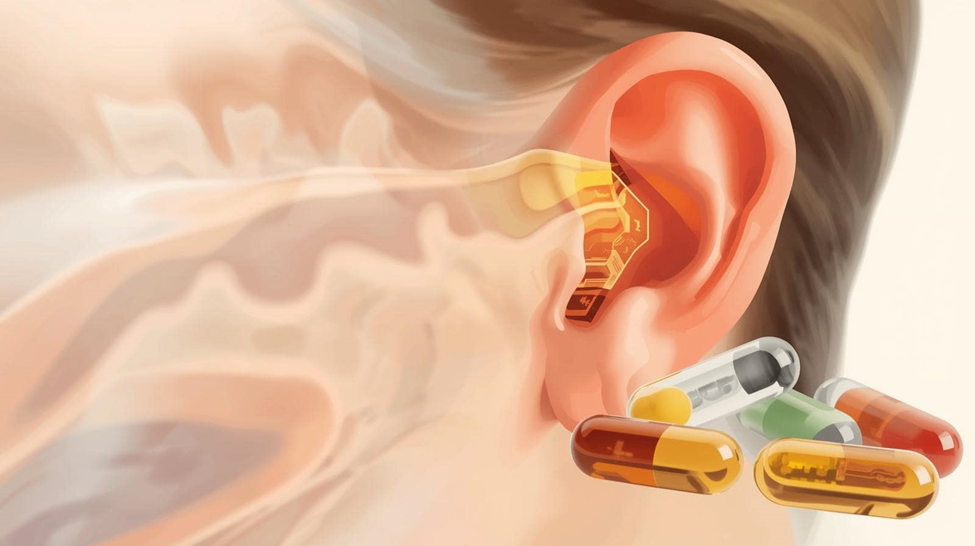
Ear health plays a vital role in our overall well-being, yet it is often overlooked compared to eyesight, heart health, or skin care. Hearing problems, tinnitus, and balance disorders affect millions of people worldwide, and many of these conditions can be linked to nutrient deficiencies or poor lifestyle habits. The good news is that proper nutrition can make a difference. Ear health vitamins provide essential nutrients that support hearing, protect delicate ear structures, and reduce the risk of long-term ear problems. In this article, we will explore the importance of ear health vitamins, the key nutrients involved, and how they can be included in daily routines for better hearing wellness.
Why Are Ear Health Vitamins Important?
The ears are complex organs responsible for both hearing and balance. They contain tiny hair cells, nerves, and blood vessels that require adequate nutrition to function properly. When the body lacks certain nutrients, it can lead to hearing loss, ringing in the ears, or increased susceptibility to infections. Ear health vitamins ensure that the auditory system receives the support it needs to perform optimally. By boosting circulation, strengthening cell function, and protecting against free radicals, ear health vitamins play a critical role in preserving hearing for the long term.
Essential Ear Health Vitamins and Their Benefits
A variety of nutrients contribute to ear wellness. Here are some of the most effective ear health vitamins and minerals:
- Vitamin A – Supports the immune system and helps maintain the health of inner ear tissues.
- Vitamin B12 – Critical for nerve health and may reduce the risk of tinnitus and age-related hearing loss.
- Vitamin C – Acts as a powerful antioxidant, protecting ear cells from oxidative stress and infections.
- Vitamin D – Important for bone health, including the tiny bones in the middle ear. Deficiency may increase hearing loss risk.
- Vitamin E – Improves blood circulation, ensuring the ear receives enough oxygen and nutrients.
- Magnesium – Protects against noise-induced hearing loss by safeguarding inner ear hair cells.
- Zinc – Boosts immune defenses, helping the body fight ear infections more effectively.
- Folate (Vitamin B9) – Supports proper blood flow to the ears, which is vital for hearing functions.
When combined, these ear health vitamins provide a protective shield for the auditory system, reducing the likelihood of ear-related problems.
How Ear Health Vitamins Support Hearing
The body’s ability to hear depends on communication between sensory cells and the nervous system. Ear health vitamins ensure that these cells and nerves remain strong and functional. For instance:
- Vitamin B12 helps prevent nerve damage that can interfere with sound signals.
- Magnesium reduces stress on ear cells when exposed to loud noise.
- Vitamin E keeps blood circulation healthy, allowing nutrients to reach the cochlea (the hearing organ).
By maintaining these processes, ear health vitamins help prevent both gradual and sudden hearing issues.
The Role of Ear Health Vitamins in Preventing Tinnitus
Tinnitus, commonly known as ringing in the ears, affects millions of people and can severely impact quality of life. Studies suggest that deficiencies in certain nutrients, particularly Vitamin B12, zinc, and magnesium, may worsen tinnitus symptoms. Incorporating ear health vitamins into your diet or supplement routine can help reduce the intensity of ringing and support nerve repair. While they may not cure tinnitus entirely, ear health vitamins can provide relief and make the condition more manageable.
Dietary Sources of Ear Health Vitamins
The most effective way to obtain essential nutrients is by maintaining a well-balanced diet. Here are some excellent food sources of ear health vitamins:
- Vitamin A – Carrots, sweet potatoes, spinach, and liver.
- Vitamin B12 – Fish, eggs, dairy, and fortified cereals.
- Vitamin C – Oranges, bell peppers, strawberries, and broccoli.
- Vitamin D – Fatty fish, fortified milk, and sunlight exposure.
- Vitamin E – Nuts, seeds, and leafy greens.
- Magnesium – Bananas, almonds, pumpkin seeds, and legumes.
- Zinc – Shellfish, poultry, beans, and whole grains.
- Folate – Dark leafy vegetables, avocados, and lentils.
By including these foods in daily meals, you can naturally increase your intake of ear health vitamins.
Supplements: Do You Need Ear Health Vitamins in Pill Form?
While diet remains the best source of nutrients, some people may benefit from supplements. For individuals with restricted diets, chronic illnesses, or higher risks of hearing loss, supplements containing ear health vitamins can provide additional support. It is always recommended to consult a healthcare provider before starting supplements to ensure correct dosage and safety.
Lifestyle Tips Alongside Ear Health Vitamins
In addition to consuming ear health vitamins, adopting healthy habits is key to maintaining ear wellness:
- Protect your ears from loud noises with earplugs or noise-canceling headphones.
- Avoid smoking and excessive alcohol, which can damage circulation.
- Stay physically active to promote blood flow to the ears.
- Keep ears clean but avoid inserting objects deep into the ear canal.
- Schedule regular hearing check-ups, especially if you notice changes.
When combined with ear health vitamins, these habits create a strong foundation for lifelong ear protection.
Conclusion
Hearing is one of our most valuable senses, yet it is often taken for granted until problems arise. Proper nutrition plays an important role in protecting ear function, reducing the risk of infections, and slowing age-related hearing decline. Ear health vitamins such as Vitamin A, B12, C, D, E, magnesium, zinc, and folate provide the essential support needed for ear wellness. Whether obtained through food or supplements, these nutrients strengthen the auditory system and improve overall quality of life. By prioritizing ear health vitamins and combining them with healthy lifestyle choices, individuals can take proactive steps toward protecting their hearing and maintaining balance throughout life.