
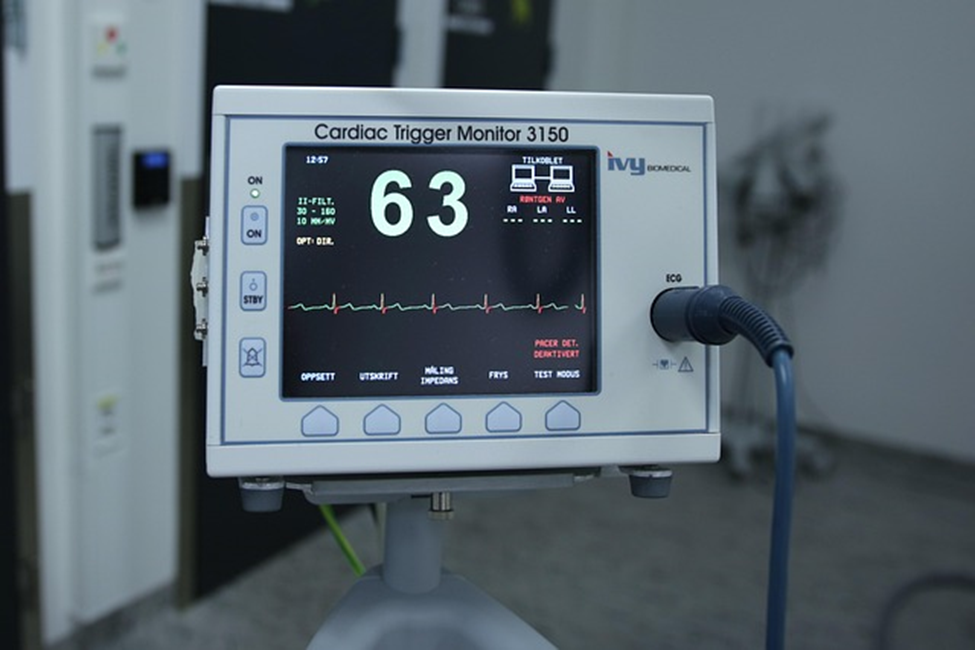
Heart health has become one of the most pressing concerns in modern society. With busy lifestyles, stress, and unhealthy eating habits, cardiovascular diseases are on the rise globally. This is where Cardiac therapy plays a critical role in both prevention and recovery. More than just medical treatment, it is a comprehensive approach that combines exercise, nutrition, lifestyle changes, and emotional support to improve overall heart function and quality of life.
Table of Contents
What Is Cardiac Therapy?
Cardiac therapy refers to a structured program designed to help individuals recover from heart-related conditions such as heart attacks, bypass surgery, or chronic heart disease. It often includes medically supervised exercise, health education, stress management, and guidance on lifestyle improvements.
The main objective of Cardiac therapy is not only to restore physical health but also to empower patients to take charge of their long-term well-being. Unlike standard treatments, this approach emphasizes prevention, ensuring that patients reduce the risk of future complications.
Key Components of Cardiac Therapy
To understand the impact of Cardiac therapy, it’s important to explore its main components:
1. Supervised Exercise
Exercise is at the heart of Cardiac therapy. Under professional supervision, patients engage in tailored activities such as walking, cycling, or light strength training. These exercises strengthen the heart, improve circulation, and increase endurance safely.
2. Nutritional Guidance
Diet plays a major role in cardiovascular health. Cardiac therapy programs often include counseling on balanced diets, encouraging heart-friendly foods like fruits, vegetables, whole grains, and lean proteins while reducing processed foods, sugars, and saturated fats.
3. Stress Management
Emotional stress is a hidden factor in heart disease. Cardiac therapy incorporates relaxation techniques such as meditation, deep breathing, and yoga to help patients manage anxiety and maintain a calm state of mind.
4. Lifestyle Education
Patients are educated about risk factors such as smoking, alcohol consumption, and lack of sleep. Cardiac therapy provides tools to replace harmful habits with healthier routines.
5. Emotional and Social Support
Healing the heart goes beyond the physical. Many Cardiac therapy programs include counseling and support groups, allowing patients to share experiences and stay motivated throughout recovery.
Benefits of Cardiac Therapy
Engaging in Cardiac therapy brings a wide range of health benefits that extend well beyond the heart itself. Some of the most significant include:
- Reduced Risk of Future Heart Problems – Patients who participate in Cardiac therapy lower their chances of recurring heart attacks or hospital visits.
- Improved Physical Fitness – Strengthened muscles, increased stamina, and better circulation support overall vitality.
- Better Mental Health – Emotional well-being improves as patients gain confidence and reduce fear about their condition.
- Weight Management – Structured plans encourage healthy weight loss or maintenance, reducing strain on the heart.
- Longer Lifespan and Better Quality of Life – By promoting healthy habits, Cardiac therapy enhances both longevity and daily comfort.
Who Needs Cardiac Therapy?
Cardiac therapy is recommended for individuals who have experienced:
- A recent heart attack
- Angioplasty or bypass surgery
- Heart failure or chronic heart conditions
- High cardiovascular risk factors such as diabetes, hypertension, or obesity
Even those without diagnosed conditions but with a family history of heart disease may benefit from preventive Cardiac therapy programs.

Safety and Supervision
One of the key advantages of Cardiac therapy is that it is medically supervised. Doctors, nurses, physiotherapists, and nutritionists often work together to create safe, individualized plans. This ensures that exercises and activities are tailored to each patient’s current health condition, minimizing risks and maximizing benefits.
Patients are carefully monitored during exercise sessions, and progress is tracked over time. This structured approach gives individuals confidence to rebuild their strength without fear of overexertion.
Incorporating Cardiac Therapy into Daily Life
While structured programs are important, lasting change requires integrating the principles of Cardiac therapy into everyday life. Simple steps include:
- Walking for at least 30 minutes a day
- Choosing home-cooked meals over processed foods
- Practicing stress-relief techniques like meditation or yoga
- Avoiding tobacco and limiting alcohol intake
- Scheduling regular medical check-ups
By turning these practices into habits, individuals continue the benefits of Cardiac therapy long after formal sessions end.
The Future of Cardiac Therapy
As medical research advances, Cardiac therapy is evolving with new technologies and methods. Virtual therapy sessions, mobile apps, and wearable devices are making it easier for patients to track progress and stay connected with healthcare providers. These innovations ensure that heart patients receive continuous support, even outside clinical settings.
Furthermore, the holistic nature of Cardiac therapy aligns with modern healthcare’s focus on prevention. Instead of waiting for serious illness, more people are turning to proactive strategies that keep the heart strong and resilient.
Final Thoughts
Heart disease remains a leading global health challenge, but it doesn’t have to define a person’s future. With the right approach, recovery and prevention are within reach. Cardiac therapy stands out as a powerful tool, blending exercise, nutrition, stress management, and emotional support to strengthen the heart and transform lives.
By embracing Cardiac therapy, individuals not only recover from past heart issues but also build a healthier future. It is more than a medical program it is a lifelong commitment to heart wellness and overall well-being.