

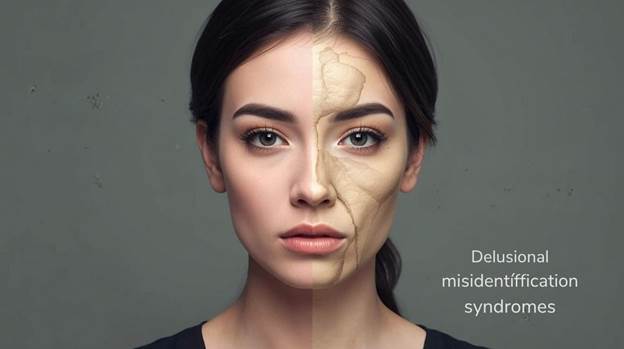
Capgras syndrome vs Fregoli reflects two rare but fascinating forms of delusional misidentification syndromes (DMS). These disorders disrupt the brain’s ability to recognize familiar faces correctly, causing sufferers to live in a world of misperceptions and misplaced trust. In Capgras syndrome, a patient believes someone close has been replaced by an imposter, while in Fregoli syndrome, strangers are believed to be familiar people in disguise. These conditions are powerful examples of how fragile human perception can be.
Table of Contents
In this article, we will explore their definitions, historical background, importance in psychiatry, symptoms, causes, challenges, treatment strategies, and real-world examples. By doing so, we aim to provide a deeper understanding of Capgras syndrome vs Fregoli and their place within delusional misidentification syndromes.
Capgras Syndrome vs Fregoli: Definition and Key Differences
Capgras syndrome is a psychiatric disorder where a person firmly believes a spouse, friend, or relative has been replaced by an imposter. This belief persists despite logical evidence to the contrary.
Fregoli syndrome, on the other hand, is defined by the false belief that strangers are actually familiar people disguised to deceive or harm. Unlike Capgras, it involves an excess of familiarity rather than lack of it.
Together, these two syndromes illustrate opposite ends of the misidentification spectrum: one denies true familiarity, while the other falsely imposes it.
Historical Origins of Capgras Syndrome vs Fregoli
Capgras syndrome was first identified in 1923 by French psychiatrist Joseph Capgras, who described it as the “illusion of doubles.” This early documentation highlighted its bizarre but consistent pattern among patients.
Fregoli syndrome was introduced in 1927, named after Leopoldo Fregoli, a famous Italian actor known for his quick costume changes and impersonations. The association with disguise perfectly captured the essence of the disorder.
Both discoveries contributed to the classification of DMS and continue to inspire research on brain recognition pathways.
Importance of Studying Capgras Syndrome vs Fregoli
Understanding these conditions is crucial for psychiatry. Their importance lies in:
- Revealing how the brain processes recognition and familiarity
- Improving diagnostic tools for psychotic and neurological disorders
- Supporting caregivers dealing with mistrust and behavioral challenges
- Enhancing awareness of rare but impactful delusional conditions
By studying Capgras syndrome vs Fregoli, clinicians can also strengthen approaches to conditions like dementia and schizophrenia.
Symptoms of Capgras Syndrome vs Fregoli
Capgras Syndrome Symptoms
- Belief that loved ones have been replaced by imposters
- Persistent paranoia and suspicion
- Social withdrawal from family and friends
- Emotional distress and aggressive reactions
Fregoli Syndrome Symptoms
- Belief that strangers are familiar people in disguise
- Obsession with being followed or stalked
- Heightened anxiety in public settings
- Difficulty distinguishing real threats from imagined ones
Both conditions severely impact relationships, independence, and mental stability.
Causes and Neurological Mechanisms
The causes of Capgras syndrome vs Fregoli are multifactorial, involving psychiatric and neurological components. Common triggers include:
- Schizophrenia and psychotic disorders
- Alzheimer’s disease and dementia
- Traumatic brain injuries affecting frontal or temporal lobes
- Dysfunction in facial recognition and emotional memory networks
Capgras typically stems from a disconnect between recognition and emotional response. Fregoli arises from hyperactivity in facial familiarity pathways, creating false recognition.
Challenges in Living with Capgras Syndrome vs Fregoli
Living with these delusional syndromes presents unique difficulties:
- Families struggle with mistrust and emotional rejection
- Patients often experience social isolation
- Caregivers face fear of aggression or paranoia
- Misdiagnosis delays treatment and support
These challenges highlight the urgent need for awareness, empathy, and specialized interventions.
Treatment Strategies for Capgras Syndrome vs Fregoli
While cures are rare, treatments help manage symptoms effectively. Common approaches include:
- Antipsychotic medications to reduce delusional intensity
- Cognitive behavioral therapy (CBT) to challenge false beliefs
- Family therapy to rebuild trust and improve care strategies
- Rehabilitation programs for patients with brain injuries
- Stress management techniques to reduce paranoia
Early detection plays a crucial role in improving outcomes and preventing severe complications.
Real-World Examples of Capgras Syndrome vs Fregoli
Case studies show the disruptive power of these disorders. In one Capgras case, a patient insisted their spouse had been replaced and refused any interaction, leading to relationship breakdown. In a Fregoli example, a woman believed multiple strangers were her neighbor in disguise, causing her to live in constant fear.
These examples emphasize how distorted recognition reshapes reality, creating barriers in both personal and social life.
Benefits of Research on Delusional Misidentification Syndromes
Ongoing research on Capgras syndrome vs Fregoli provides broader benefits:
- Deeper understanding of identity and recognition pathways
- Better diagnosis of rare psychiatric symptoms
- Development of targeted therapies for misidentification
- Increased caregiver education and support systems
Such research improves patient care and contributes to neuroscience’s understanding of perception.
Conclusion
In conclusion, Capgras syndrome vs Fregoli represents two striking examples of delusional misidentification syndromes. While Capgras leads to belief in imposters, Fregoli generates false familiarity with strangers. Both highlight how fragile recognition processes can become when disrupted by psychiatric or neurological conditions. Through awareness, treatment, and research, patients and caregivers can manage these challenges more effectively. By deepening understanding of DMS, we can create more compassionate and supportive approaches to mental health.
Q1: What is the main difference between Capgras syndrome vs Fregoli?
Capgras involves believing loved ones are imposters, while Fregoli involves seeing strangers as familiar people in disguise.
Q2: Are Capgras and Fregoli related to schizophrenia?
Yes, both often appear in patients with schizophrenia, dementia, or brain injuries.
Q3: Can Capgras syndrome vs Fregoli be permanently cured?
There is no guaranteed cure, but symptoms can be managed with medication, therapy, and family support.