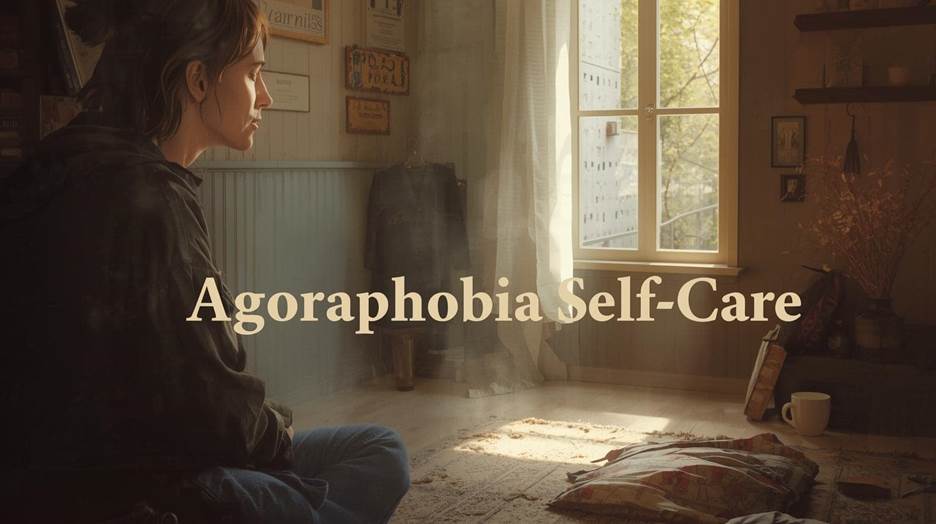
Agoraphobia self-care is one of the most powerful ways individuals can begin to take back control over their lives when facing overwhelming fear of open or crowded spaces. For many, agoraphobia feels like a prison, keeping them trapped within the walls of their home or comfort zone. While therapy and medication are often important in professional treatment, daily agoraphobia self-care practices allow individuals to manage symptoms, reduce anxiety, and gradually re-enter the outside world with confidence. It is not just about coping with panic but about building a lifestyle of resilience, emotional strength, and long-term healing.
Table of Contents
Understanding Agoraphobia and Its Challenges
Agoraphobia self-care starts with understanding what agoraphobia really is. This condition is not simply shyness or discomfort in public places. Instead, it is an intense fear of being trapped in environments where escape might feel difficult or embarrassing, such as supermarkets, public transport, or even wide-open spaces. Left untreated, agoraphobia can lead to social isolation, unemployment, and a reduced quality of life. That is why agoraphobia self-care is essential over someone’s independence
The Emotional Weight of Agoraphobia
Living with agoraphobia means living with constant worry. Many people fear having panic attacks in public, and this fear often becomes stronger than the actual experience. Over time, avoidance grows into a cycle of isolation. Through consistent agoraphobia self-care, individuals can begin to break this cycle, addressing not only the fear but also the emotions of shame, frustration, and loneliness that come with it.
Core Principles of Agoraphobia Self-Care
Effective agoraphobia self-care involves combining physical, emotional, and mental strategies to create balance. These principles are not one-time solutions but habits that require daily practice.
Building Structure and Routine
Routine is at the heart of agoraphobia self-care. A predictable schedule creates a sense of stability and safety, which reduces the unpredictable triggers that often cause panic. Even small routines like morning meditation, regular mealtimes, and bedtime rituals help restore balance to an anxious mind.
Learning Grounding and Breathing Techniques
One of the simplest but most powerful agoraphobia self-care tools is breath control. Deep breathing calms the nervous system and prevents panic from escalating. Techniques such as counting breaths, progressive muscle relaxation, or mindfulness meditation help individuals stay present and reduce overwhelming fear.
Daily Self-Care Strategies for Agoraphobia
Daily habits shape recovery. By focusing on agoraphobia self-care, individuals create small victories that build strength over time.
Journaling and Emotional Expression
Writing in a journal is a highly effective agoraphobia self-care activity. Documenting fears, triggers, and progress provides clarity and perspective. Over time, journaling also serves as a reminder of growth, showing how far a person has come despite setbacks.
Physical Activity and Wellness
Even light exercise, such as stretching or walking in place, is beneficial for agoraphobia self-care. Physical activity reduces stress hormones and releases endorphins that improve mood.
Creative and Relaxation Practices
Hobbies such as drawing, painting, music, or crafting are wonderful for agoraphobia self-care. They distract the mind from fear and create a sense of accomplishment. Relaxation activities like yoga or warm baths calm the body, making it easier to face stressful situations later.

Gradual Exposure as a Form of Self-Care
Perhaps the most transformative part of agoraphobia self-care is exposure therapy done in small, safe steps. Instead of forcing oneself into overwhelming environments, individuals gradually face fears in controlled ways.
Step-by-Step Exposure
For example, someone might begin by standing at their front door, then walking down the street, and later visiting a quiet shop. This method allows the brain to relearn that feared places are not as dangerous as they seem. Such gradual exposure, when combined with supportive agoraphobia self-care, becomes a pathway to freedom.
Celebrating Small Wins
Acknowledging progress is a core part of agoraphobia self-care. Each small achievement like attending a family gathering or taking a short bus ride deserves recognition. These victories provide motivation and build self-confidence for future challenges.
The Role of Support in Agoraphobia Self-Care
No one should go through agoraphobia alone. Building a strong support system enhances agoraphobia self-care and makes recovery feel less overwhelming.
Family and Friends
Trusted loved ones can play an active role in agoraphobia self-care. They can accompany individuals during outings, provide emotional reassurance, or simply listen without judgment. Their support reduces feelings of isolation and encourages continued effort.
Support Groups and Online Communities
Joining groups with others who share similar struggles can be life-changing. These communities, often part of agoraphobia self-care, provide encouragement, practical advice, and a sense of belonging that combats loneliness.
Technology in Modern Self-Care Practices
Digital tools are making agoraphobia self-care more accessible than ever. From guided meditation apps and virtual therapy sessions to online journals and anxiety trackers, technology provides resources right at home. These tools help individuals practice coping strategies daily and prepare them for real-world application.
Long-Term Commitment to Self-Care
Agoraphobia self-care is not a quick fix but a long-term commitment. The journey may involve setbacks, but consistency is key. Over time, self-care habits reinforce resilience, reduce anxiety, and help individuals feel more in control of their lives.
Setting Realistic Goals
A vital part of agoraphobia self-care is setting goals that are achievable and measurable. Instead of aiming to eliminate fear overnight, goals should focus on steady progress such as spending five minutes outside or joining a short social event.
Embracing Progress Over Perfection
The essence of agoraphobia self-care is progress, not perfection. Each day of effort is a step toward greater freedom, independence, and peace of mind.
Conclusion
Agoraphobia self-care empowers individuals to reclaim their independence, reduce fear, and restore balance to their lives. Through relaxation techniques, journaling, gradual exposure, supportive relationships, and modern digital tools, self-care becomes a daily practice of healing and growth. By staying committed, patient, and resilient, those living with agoraphobia can transform fear into confidence and rediscover the joy of everyday experiences.