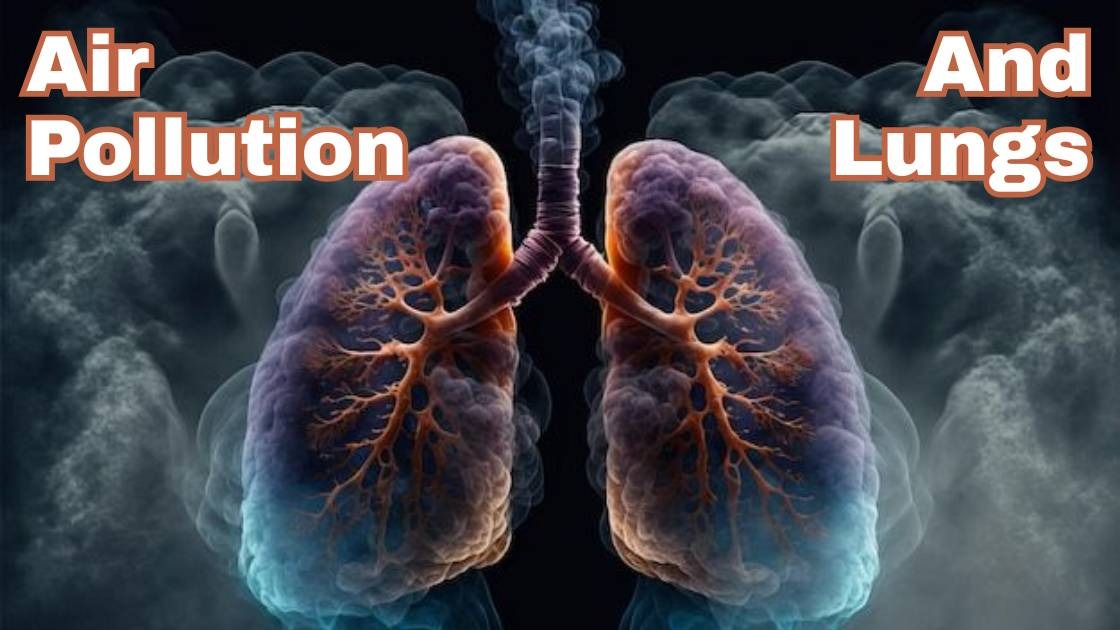
Air pollution and lungs share a critical relationship that directly impacts your health every time you take a breath. Every day, millions of people unknowingly expose their respiratory system to harmful pollutants that can trigger everything from minor irritation to serious long-term lung damage. Whether you live in a bustling city or a suburban area, understanding how toxic particles infiltrate your airways is the first step toward protection.
This comprehensive guide explores the scientific connection between contaminated air and respiratory health, reveals which pollutants pose the greatest risks, and provides actionable strategies to safeguard your breathing wellness. You’ll discover how air quality affects lung function, recognize early warning signs of pollution-related issues, and learn practical methods to minimize your exposure in daily life.
Related Article: Understanding Air Pollution Adverse Effects: Causes, Consequences, and Prevention
What Happens When Polluted Air Enters Your Respiratory System
When you inhale contaminated air, harmful substances immediately begin their journey through your respiratory system. The process starts in your nose and throat, where larger particles may get trapped. However, smaller toxic particles easily bypass these natural filters and travel deep into your airways.
Particulate matter poses the greatest threat because these microscopic particles penetrate directly into lung tissue. Once inside, they trigger inflammation and oxidative stress. Your body’s immune response attempts to fight these invaders, but chronic exposure overwhelms your natural defenses. This is precisely how air pollution and lungs create a dangerous cycle of deteriorating health.
Types of Air Pollutants That Harm Lung Function
Understanding which pollutants threaten your breathing health helps you take targeted protective action.
Outdoor Air Pollution Sources
1. Vehicle Emissions Cars, trucks, and buses release nitrogen dioxide and carbon monoxide that irritate lung tissue.
2. Industrial Waste Factories emit sulfur dioxide and heavy metals that accumulate in respiratory pathways.
3. Wildfire Smoke Contains fine particles that cause immediate breathing difficulties and long term lung damage.
Indoor Air Pollution Hazards
Many people don’t realize that indoor air quality can be worse than outdoor conditions.
Common indoor pollutants include:
- Cooking fumes and gas stove emissions
- Cigarette and tobacco smoke
- Mold spores and dust mites
- Chemical cleaners and air fresheners
- Pet dander and pollen
How Air Pollution and Lungs Create Health Problems
The connection between air pollution and lungs manifests through various respiratory diseases and conditions.
Short Term Effects
Immediate exposure causes noticeable symptoms:
- Coughing and throat irritation
- Shortness of breath during physical activity
- Wheezing and chest tightness
- Eye, nose, and throat discomfort
- Increased mucus production
Long Term Respiratory Damage
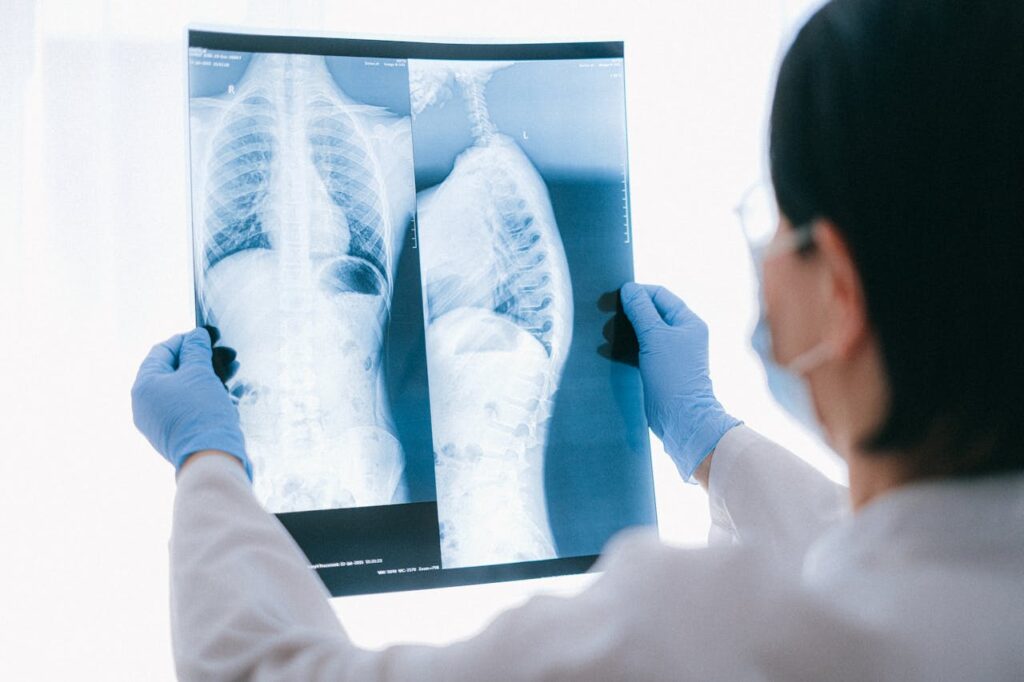
Prolonged exposure leads to serious health complications. The relationship between air pollution and lungs becomes especially concerning when pollutants cause permanent tissue scarring. Studies show that consistent exposure reduces overall lung function by 20 to 30 percent over decades.
Chronic conditions linked to poor air quality:
1. Asthma Development Pollutants trigger immune responses that make airways hypersensitive to irritants. Pollution induced asthma has become an alarming health crisis affecting millions of children worldwide, particularly in densely populated urban areas.
2. Chronic Obstructive Pulmonary Disease (COPD) Long term exposure destroys the tiny air sacs (alveoli) in your lungs, making breathing progressively difficult.
3. Lung Cancer Risk Carcinogenic particles damage DNA in lung cells, increasing cancer probability by up to 36 percent in highly polluted areas.
4. Cardiovascular Problems Fine particles enter the bloodstream through damaged lung tissue, affecting heart health.
Protecting Your Breathing Health: Practical Strategies
Taking control of your respiratory health requires both awareness and action.
Monitor Air Quality Daily
Check air quality indexes through weather apps or environmental websites. Avoid outdoor exercise when pollution levels spike above 100 AQI.
Improve Indoor Air Quality
Effective home protection methods:
- Install HEPA air purifiers in bedrooms and living areas
- Ventilate your home during low pollution hours
- Use exhaust fans while cooking
- Keep humidity levels between 30 to 50 percent
- Choose natural cleaning products
Personal Protection Measures
When outdoor air pollution is unavoidable, wear N95 or KN95 masks that filter fine particles. These masks block 95 percent of harmful pollutants from entering your airways.
Lifestyle Adjustments
1. Exercise Timing Work out early morning or late evening when traffic pollution decreases.
2. Route Planning Choose paths away from heavy traffic corridors during walks or cycling.
3. Dietary Support Consume antioxidant rich foods like berries, leafy greens, and nuts to help your body combat oxidative stress from pollutants.
Understanding how air pollution and lungs interact empowers you to make informed decisions about your health. While you cannot control environmental factors completely, implementing these protective strategies significantly reduces your exposure and preserves your lung function for years to come.
Conclusion
The connection between air pollution and lungs is undeniable and demands immediate attention for your respiratory health. From particulate matter infiltrating deep into your airways to chronic exposure causing permanent lung damage, the risks are substantial yet preventable. By monitoring air quality, improving indoor environments, and adopting protective measures, you can significantly reduce harmful pollutant exposure. Your lung function determines your quality of life, making it essential to prioritize breathing health today. Remember, every breath matters take control of what you inhale and protect your respiratory system from the invisible dangers lurking in polluted air. Start implementing these strategies now for healthier lungs tomorrow.