Caring for others is one of the most rewarding experiences, but it can also take a heavy toll. People in high-stress or caregiving professions often experience compassion fatigue vs burnout, two conditions that are closely related yet distinctly different. Compassion fatigue develops when someone absorbs the emotional pain and trauma of others, while burnout arises from chronic workplace stress and overwhelming demands. Though they share some symptoms, their causes, impact, and solutions differ significantly.
Table of Contents
In this article, we will explore what compassion fatigue vs burnout means, their history, symptoms, causes, real-world examples, challenges, and strategies to manage them effectively.
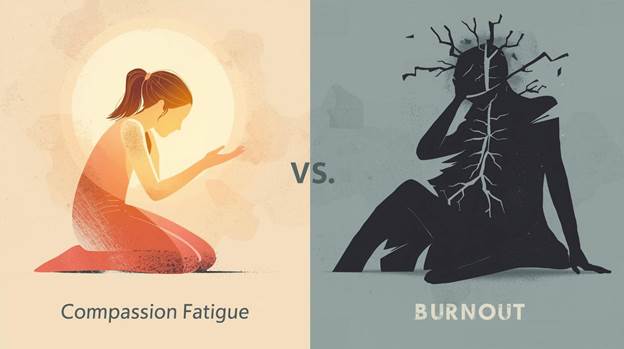
Compassion Fatigue vs Burnout: Definitions that Matter
To understand the difference, it helps to start with clear definitions.
- Compassion fatigue refers to the emotional and physical exhaustion that results from caring deeply for others in distress. It is common among nurses, doctors, social workers, therapists, and even family caregivers who are exposed to suffering on a daily basis. Over time, this constant emotional load can lead to reduced empathy and detachment.
- Burnout, on the other hand, is a state of exhaustion caused by prolonged workplace stress. It is not limited to healthcare or caregiving teachers, office workers, managers, and employees in any field can experience burnout. It often manifests as a loss of motivation, productivity, and energy due to overwhelming demands.
Although both conditions involve exhaustion, compassion fatigue is more connected to empathy and emotional exposure, while burnout is driven by structural job stress.
The History of Compassion Fatigue vs Burnout
The concept of burnout dates back to the 1970s when psychologist Herbert Freudenberger described it among healthcare workers. He noticed that people working under relentless pressure often became emotionally drained, cynical, and less effective. Since then, the term has expanded to describe chronic stress in any profession.
Compassion fatigue was recognized more recently, in the 1990s, when trauma specialists identified how repeated exposure to patients’ suffering deeply affected caregivers and first responders. Unlike burnout, compassion fatigue is not just about workload but about absorbing the trauma of others.
Symptoms of Compassion Fatigue vs Burnout
While the two share similarities, their symptoms often reveal the difference.
Signs of Compassion Fatigue
- Emotional numbness or reduced empathy
- Irritability and mood swings
- Withdrawal from social or family life
- Difficulty sleeping or recurring distressing thoughts
Signs of Burnout
- Constant physical and emotional exhaustion
- Decline in work performance and concentration
- Cynicism and negative attitude toward responsibilities
- Physical symptoms like tension headaches or digestive issues
If left unchecked, both can affect personal health, relationships, and professional growth.
Causes of Compassion Fatigue vs Burnout
Understanding the root causes helps in prevention and management.
Compassion Fatigue Causes
- Continuous exposure to trauma and emotional suffering
- Over-identification with clients or patients
- Lack of personal boundaries between work and personal life
Burnout Causes
- Excessive workload and unrealistic deadlines
- Lack of recognition or workplace support
- Limited control over tasks or work environment
- Poor work-life balance
It’s also possible to experience both simultaneously for instance, a nurse overwhelmed by long shifts (burnout) while also emotionally drained from patient trauma (compassion fatigue).
Why Recognizing the Difference is Important
When compassion fatigue vs burnout is misunderstood, recovery becomes more difficult. Someone with compassion fatigue may benefit from trauma-informed counseling and emotional boundaries, while someone with burnout may need workplace adjustments and rest. Identifying the right condition ensures targeted solutions, reducing the risk of long-term harm.
Real-World Examples
- Healthcare Professionals: Nurses working in intensive care often describe compassion fatigue from constant exposure to patient suffering, while also battling burnout from understaffing and demanding shifts.
- Teachers: A teacher overwhelmed with lesson planning and grading may experience burnout, while supporting emotionally distressed students may lead to compassion fatigue.
- Social Workers: Many social workers face compassion fatigue due to constant exposure to trauma cases, coupled with burnout from administrative pressure.
These examples highlight that compassion fatigue vs burnout often overlap but stem from different stressors.
Coping Strategies for Compassion Fatigue vs Burnout
Managing Compassion Fatigue
- Engage in counseling or peer support groups
- Practice mindfulness and grounding techniques
- Set healthy emotional boundaries with clients or patients
- Schedule time for hobbies and activities that restore energy
Managing Burnout
- Delegate tasks and restructure workload where possible
- Set firm boundaries between work and personal life
- Take breaks, vacations, and practice time management
- Advocate for workplace improvements or flexible schedules
Shared Approaches
- Prioritize physical health through nutrition, exercise, and rest
- Strengthen social connections outside of work
- Incorporate relaxation practices like yoga or journaling
Challenges in Addressing Compassion Fatigue vs Burnout
One of the biggest barriers is stigma. Many people hesitate to admit they are struggling because they fear being judged as unprofessional or weak. In the discussion of compassion fatigue vs burnout, this silence often leads to worsening stress and emotional exhaustion. Organizations also tend to prioritize productivity over well-being, leaving little room for rest and recovery. Addressing compassion fatigue vs burnout requires cultural change, open conversations, and leadership that places genuine value on mental health.
Benefits of Addressing Compassion Fatigue vs Burnout
Addressing these conditions early leads to positive outcomes:
- Improved emotional well-being and resilience
- Stronger workplace relationships and teamwork
- Increased job satisfaction and long-term motivation
- Better physical health and energy levels
- Greater effectiveness in caregiving and professional roles
These benefits show that prevention and intervention are not just personal needs but also organizational priorities.
Conclusion
The debate of compassion fatigue vs burnout highlights two interconnected but distinct challenges. Compassion fatigue arises from emotional exposure to others’ pain, while burnout stems from chronic workplace stress. Both can damage mental health, productivity, and overall well-being, but with early recognition and targeted strategies, recovery is possible. By fostering self-care, supportive workplaces, and open conversations, individuals and organizations can build resilience, prevent exhaustion, and create healthier environments for everyone.