Gut brain axis disorders are conditions in which the two way communication system linking your digestive tract and your central nervous system breaks down, triggering a cascade of physical and mental health problems. If you have ever wondered why anxiety causes stomach pain or why digestive problems seem to worsen your mood, the answer lies in this biological pathway.
Your gut and brain are not separate systems working in isolation. They exchange signals constantly through nerves, hormones, immune cells, and chemicals produced by trillions of bacteria living in your intestines. When this conversation becomes disrupted, whether through chronic stress, poor nutrition, infection, or microbial imbalance, it can contribute to conditions ranging from irritable bowel syndrome and chronic depression to Parkinson’s disease and Alzheimer’s.
This is an area of explosive scientific growth. A 2025 review published in Scientific Reports by Doenyas, Clarke, and Cserjési confirmed that disruptions in this communication network carry significant implications for neurodegenerative, psychiatric, and metabolic disorders. The global human microbiome market reached an estimated USD 1.40 billion in 2025 according to MarketsandMarkets, reflecting growing investment in microbiome related diagnostics and therapeutics.
Table of Contents
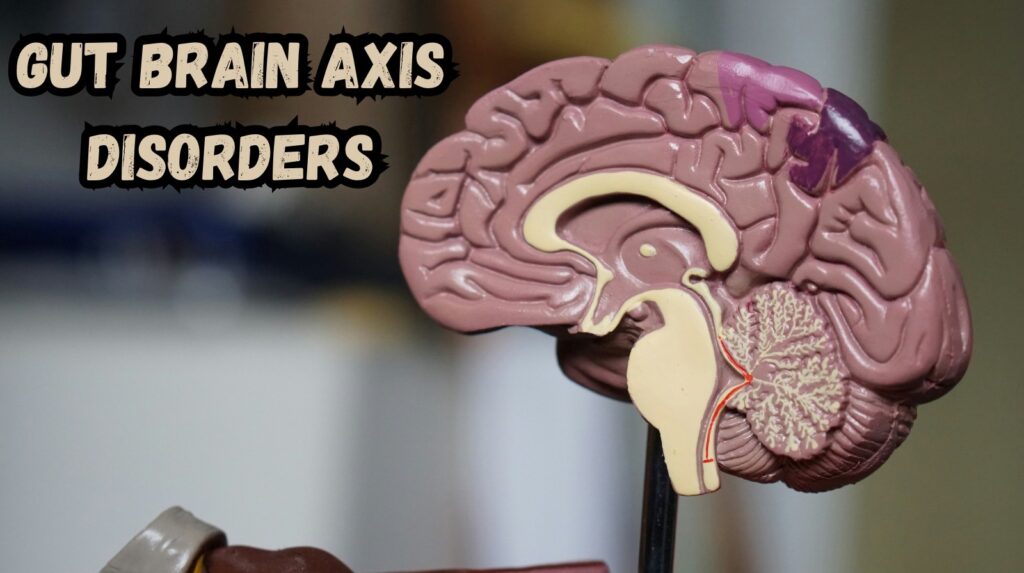
What Is the Gut Brain Axis and How Does It Work?
The gut brain axis is a bidirectional communication network that connects the gastrointestinal system to the central nervous system through neural, hormonal, immune, and microbial signaling pathways.
Your digestive tract contains what researchers call the enteric nervous system (ENS), a mesh of over 100 million nerve cells lining the gut wall. Often called the “second brain,” the ENS operates semi independently while maintaining direct contact with the brain through the vagus nerve, the longest cranial nerve in the body.
But neural signaling is only part of the equation. Your gut microbiota, the diverse community of bacteria, fungi, viruses, and archaea living in your intestines, produce neurotransmitter precursors, short chain fatty acids (SCFAs), and other bioactive metabolites that enter the bloodstream and influence brain chemistry. A 2025 review in Frontiers in Microbiomes confirmed that these microbial communities influence neurotransmission, neurodevelopment, and behavior through multiple overlapping pathways.
Five Key Communication Channels
| Pathway | How It Works |
| Vagus Nerve | Sends direct neural signals between the gut and brainstem |
| Immune System | Cytokines and immune cells transmit inflammatory or anti inflammatory signals |
| Microbial Metabolites | SCFAs and neurotransmitter precursors travel through the bloodstream to the brain |
| HPA Axis | Stress hormones like cortisol alter gut motility and reshape microbial composition |
| Enteric Nervous System | Local gut neurons process sensory information and relay it independently |
When these channels function in harmony, your gut and brain maintain balanced communication. When one or more of them malfunction, disorders can emerge on both ends of the axis.
What Causes Gut Brain Axis Dysfunction?
Disruptions in gut brain communication arise from a combination of chronic stress, dietary deficiency, infections, medication use, and early life microbiome interference. Rarely does one factor act alone.
Chronic Stress and Cortisol Overload
Prolonged psychological stress activates the hypothalamic pituitary adrenal (HPA) axis, flooding the body with cortisol. Elevated cortisol alters gut motility, weakens the intestinal lining (a condition often called “leaky gut”), and reshapes the balance of gut bacteria. A 2025 editorial in Frontiers in Neuroscience confirmed that gut microbes regulate the interplay between circadian rhythms and stress hormones, and that disrupting this microbial balance leads to abnormal cortisol regulation.
Nutrient Poor Diets
Diets dominated by ultra processed foods, refined carbohydrates, and artificial additives deprive beneficial gut bacteria of the fiber they need to produce protective metabolites such as butyrate. Research increasingly links Western dietary patterns to both microbial imbalance and elevated risk for mood disorders, ADHD, and cognitive decline.
Antibiotic Overuse and Gastrointestinal Infections
Broad spectrum antibiotics eliminate harmful pathogens alongside beneficial microorganisms, sometimes permanently reducing microbial diversity. Gastrointestinal infections can also rewire gut brain signaling, which explains why some patients develop post infectious irritable bowel syndrome after food poisoning or traveler’s diarrhea.
Early Life Microbiome Disruption
A 2025 review in Frontiers in Microbiomes highlighted that cesarean birth, absence of breastfeeding, early antibiotic exposure, and childhood adversity have all been linked to increased risk of neuropsychiatric conditions later in life. The first three years of life represent a critical window for microbial colonization, and disturbances during this period can carry long lasting consequences.
Which Conditions Are Connected to Gut Brain Axis Disruption?
An expanding body of research links disrupted gut brain signaling to neurological, psychiatric, and gastrointestinal conditions. These include IBS, depression, anxiety, Parkinson’s disease, Alzheimer’s disease, autism spectrum disorder, ADHD, multiple sclerosis, and inflammatory bowel disease.
Irritable Bowel Syndrome (IBS)
IBS is the most recognized condition associated with disordered gut brain communication. Now formally classified among “disorders of gut brain interaction” (DGBI) by the Rome Foundation, IBS involves abdominal pain, bloating, and altered bowel habits without detectable structural damage. Findings from the 2025 Gut Microbiota for Health Summit highlighted how prebiotics, probiotics, and postbiotics can modulate visceral pain and symptom burden in these patients.
Depression and Anxiety
Your gut produces approximately 90% of the body’s serotonin, a neurotransmitter essential for mood regulation. Microbial imbalances that reduce serotonin producing bacteria can directly affect emotional well being. A 2025 Mendelian randomization study cited in Frontiers in Microbiomes established bidirectional causal relationships between specific bacterial genera and psychiatric risk, meaning gut changes can drive mood disorders while mood disorders simultaneously alter the microbiome.
Parkinson’s Disease
Mounting evidence suggests Parkinson’s may begin in the gut years before motor symptoms manifest. According to a 2025 report from Stanford Medicine, digestive complaints such as constipation and heartburn can precede movement related symptoms by decades. Scientists have shown that the misfolded protein alpha synuclein, a hallmark of the disease, can travel from the gut to the brain via the vagus nerve. People who have undergone vagotomy (surgical severing of the vagus nerve) for unrelated medical reasons show reduced risk of developing Parkinson’s.
Alzheimer’s Disease
The connection between gut health and Alzheimer’s has become one of the fastest growing areas of neuroscience research. A 2025 study published in Frontiers in Aging revealed that Alzheimer’s patients show significant alterations in gut microbial composition, with increased inflammatory bacteria and reduced beneficial species. Gut dysbiosis disrupts the intestinal barrier, promotes chronic low grade inflammation (a process researchers call “inflammaging”), and accelerates the accumulation of amyloid beta plaques in the brain. Gut microbiota signatures have even been proposed as potential early biomarkers for preclinical Alzheimer’s detection.
Autism Spectrum Disorder (ASD) and ADHD
Both conditions have been associated with distinct microbiome signatures. A 2025 review in Cell Reports Medicine noted that neutrophil driven intestinal inflammation has been connected to ASD, and that modulating immune balance through the gut may help reduce behavioral symptoms. For ADHD, dietary interventions targeting microbial composition have shown encouraging results, with one referenced study finding that 63% of participants on a targeted elimination diet experienced meaningful symptom reduction.
Multiple Sclerosis (MS)
Emerging research has identified gut microbiome alterations in patients with multiple sclerosis. Studies suggest that microbial imbalances may trigger inappropriate immune responses that attack the myelin sheath protecting nerve fibers. A 2025 review in Frontiers in Aging Neuroscience included MS among the neurodegenerative conditions where microbiota targeted interventions could potentially slow disease progression.
How to Recognize the Symptoms of Gut Brain Axis Disorders
Symptoms span both digestive and neuropsychological domains, which often leads to fragmented care where gastroenterologists treat the gut and psychiatrists treat the mind without connecting the two.
Digestive Warning Signs
- Persistent bloating and gas that cannot be explained by specific foods
- Alternating constipation and diarrhea
- Abdominal pain that intensifies during stressful periods
- Nausea or reduced appetite tied to emotional distress
- New or worsening food sensitivities
Neurological and Psychological Warning Signs
- Persistent brain fog or difficulty concentrating
- Anxiety or depressive episodes without a clear external trigger
- Chronic fatigue and disrupted sleep patterns
- Heightened sensitivity to everyday stressors
- Mood fluctuations that mirror digestive flare ups
The hallmark of a microbiome related condition is this dual symptom pattern. When digestive and mental health complaints coexist, worsen together, and do not respond fully to conventional single system treatment, the gut brain connection deserves investigation.
How Are Gut Brain Axis Disorders Diagnosed?
Diagnosis typically requires a combination of clinical evaluation, targeted laboratory testing, and the exclusion of structural or infectious causes. No single test confirms a gut brain disorder, but several tools provide valuable insight.
Standard Medical Workup
Gastroenterologists usually begin with blood panels, stool cultures, and procedures such as endoscopy or colonoscopy to rule out inflammatory bowel disease, celiac disease, infections, or malignancies. When results return normal yet symptoms persist, the diagnosis frequently falls under a DGBI category such as IBS or functional dyspepsia.
SIBO Breath Testing
The lactulose breath test measures hydrogen and methane gases exhaled after drinking a sugar solution. A rapid rise in these gases can indicate small intestinal bacterial overgrowth (SIBO), a condition that frequently overlaps with gut brain axis dysfunction. Newer three gas tests, such as Trio Smart, also measure hydrogen sulfide for a more complete picture. However, as the American College of Gastroenterology and published clinical reviews acknowledge, breath testing has inherent limitations and should be interpreted alongside clinical context rather than used in isolation.
GI MAP Stool Analysis
The GI MAP (Gastrointestinal Microbial Assay Plus) uses quantitative PCR technology to detect bacteria, viruses, fungi, and parasites in a stool sample. It also measures markers of intestinal inflammation, immune function, and digestive capacity. Functional medicine practitioners increasingly use this test to identify microbial imbalances, opportunistic pathogens, and indicators of leaky gut that standard stool cultures may miss.
Microbiome Profiling
Direct to consumer and clinical microbiome tests use next generation DNA sequencing to map the diversity and composition of gut bacteria. According to a 2025 year in review from Gut Microbiota for Health, these tests are gaining popularity among both patients and clinicians. However, experts emphasize that standardization remains a work in progress, and test results should always be evaluated by a knowledgeable provider rather than interpreted independently.

Food Sensitivity and Intolerance Testing
Lactose and fructose breath tests can identify specific sugar intolerances that mimic or worsen gut brain symptoms. IgG food sensitivity panels, while debated in conventional medicine, are used by some integrative practitioners to guide elimination diets aimed at reducing gut inflammation and improving neurological symptoms.
Evidence Backed Treatment Strategies
Effective treatment targets the communication breakdown itself rather than managing isolated symptoms. The most promising approaches combine microbial restoration, dietary optimization, stress reduction, and vagus nerve support.
Psychobiotics: Probiotics for Mental Health
Psychobiotics are specific probiotic strains demonstrated to influence brain function through the gut brain axis. Unlike general digestive probiotics, psychobiotics target neurotransmitter production, neuroinflammation, and stress hormone balance.
A 2025 opinion paper in Frontiers in Neuroscience by Rosas Sánchez and colleagues reported that psychobiotics reduce pro inflammatory cytokines (such as IL 1β and TNF α) while boosting anti inflammatory mediators like IL 10. Meta analyses of randomized controlled trials have found moderate to high evidence that specific probiotic strains can ease symptoms of depression and anxiety, especially when combined with standard therapy.
Key strains currently under active clinical investigation include:
- Lactobacillus rhamnosus for stress and anxiety modulation
- Bifidobacterium longum for mood and cognitive support
- Lactobacillus plantarum PS128 for neuroinflammation reduction
- Bifidobacterium breve for synaptic plasticity and BDNF support
Individual responses vary considerably, which is why the field is moving toward precision psychobiotics, where strain selection is matched to a patient’s unique microbial and genetic profile.
Dietary Interventions That Support Gut Brain Health
Your daily food choices directly shape microbial composition and, by extension, your brain chemistry. Specific dietary strategies have demonstrated measurable effects on gut brain signaling.
- High fiber foods such as legumes, oats, artichokes, and leafy greens fuel SCFA production, which strengthens the gut barrier and reduces neuroinflammation
- Fermented foods including yogurt, kefir, kimchi, sauerkraut, and miso introduce beneficial live cultures directly into the gut
- Omega 3 rich sources like wild caught salmon, sardines, and walnuts support anti inflammatory pathways that protect both gut lining and neural tissue
- Polyphenol dense foods such as blueberries, dark chocolate, green tea, and extra virgin olive oil promote growth of beneficial bacterial species while suppressing harmful strains
Conversely, diets heavy in ultra processed products, artificial sweeteners, emulsifiers, and refined carbohydrates consistently reduce microbial diversity and increase intestinal permeability, both of which worsen gut brain dysfunction. The Mediterranean diet, rich in vegetables, healthy fats, and fermented foods, is the most studied dietary pattern for supporting the microbiome gut brain connection.
Vagus Nerve Stimulation and Stress Management
Since the vagus nerve serves as the primary communication cable between gut and brain, strengthening its function (referred to as improving “vagal tone”) is central to restoring balance. Several evidence supported practices can enhance vagal activity:
- Slow diaphragmatic breathing with extended exhales activates the parasympathetic nervous system through the vagus nerve
- Cold water exposure applied to the face or neck stimulates vagal reflexes
- Regular moderate intensity aerobic exercise improves both microbiome diversity and vagal tone simultaneously
- Mindfulness meditation, yoga, and progressive muscle relaxation have demonstrated measurable reductions in cortisol and improvements in gut brain signaling
Emerging Therapies and the Future of Gut Brain Medicine
The field of microbiome neuroscience is advancing rapidly, with several next generation treatments progressing from experimental research toward clinical application.
Fecal Microbiota Transplantation (FMT)
FMT is already approved for recurrent Clostridioides difficile infections and is now being investigated for psychiatric and neurological applications. A 2025 review in Frontiers in Pharmacology described FMT as an accessible strategy for restoring microbial balance, with preliminary findings showing potential for reducing depressive symptoms.
AI Powered Precision Microbiome Diagnostics
Artificial intelligence platforms are enabling clinicians to predict individual responses to specific probiotic strains before treatment begins. The integration of genomics, metabolomics, and microbiome sequencing data is paving the way for personalized gut brain therapies tailored to each patient’s unique biology, according to a 2025 report in Frontiers in Neuroscience.
Engineered Probiotics and Postbiotics
Next generation engineered probiotics designed to deliver targeted neurotransmitter precursors or anti inflammatory compounds directly to the gut are under development. Postbiotics, the beneficial metabolites produced during bacterial fermentation, are also gaining attention as a safer, more stable alternative to live bacterial supplements. These developments could represent breakthrough therapies for conditions like treatment resistant depression and early stage Parkinson’s.
Conclusion: Your Gut Holds the Key to Your Brain Health
Gut brain axis disorders sit at the crossroads of gastroenterology, neurology, psychiatry, and immunology. They are a powerful reminder that the body does not operate in sealed compartments. A disrupted microbiome can send ripple effects upward into mood, cognition, and neurological function, while chronic psychological stress can cascade downward into digestive dysfunction.
The encouraging reality is that the gut, unlike the brain, is remarkably accessible to intervention. Dietary shifts toward whole, fiber rich, and fermented foods; targeted psychobiotic supplementation; evidence based stress reduction techniques; and advanced diagnostic testing through tools like the GI MAP and microbiome profiling all offer concrete, actionable pathways toward improvement.
If you are experiencing overlapping digestive and mental health symptoms that have not responded fully to single system treatment, the gut brain connection may be the missing piece. Talk to a healthcare provider experienced in functional or integrative gastroenterology, and share this article with anyone who could benefit from understanding this vital link.
Frequently Asked Questions About Gut Brain Axis Disorders
What is the gut brain axis in simple terms?
The gut brain axis is a two way communication system that links your digestive tract to your brain using nerve signals, hormones, immune cells, and chemicals produced by gut bacteria. It allows the gut and brain to constantly influence each other’s function and overall health.
Can gut problems cause anxiety and depression?
Yes, substantial research supports this connection. When gut bacteria fall out of balance, they can reduce the production of mood regulating neurotransmitters like serotonin and trigger inflammatory signals that travel to the brain, contributing to both anxious and depressive symptoms.
What is the best test for gut brain axis disorders?
There is no single definitive test. A combination of clinical evaluation, SIBO breath testing, GI MAP stool analysis, and microbiome profiling provides the most comprehensive picture. Each test examines a different aspect of gut health, and results should always be interpreted by a qualified healthcare professional.
What are psychobiotics and how do they differ from regular probiotics?
Psychobiotics are specific probiotic strains demonstrated to benefit mental health by influencing the gut brain axis. While standard probiotics primarily target digestive function, psychobiotics modulate neurotransmitter production, neuroinflammation, and the body’s stress hormone response through specialized microbial metabolites.
What foods heal the gut brain connection?
High fiber vegetables, fermented foods like yogurt and kimchi, omega 3 rich fish such as salmon and sardines, and polyphenol dense fruits including blueberries and cherries are among the most effective foods for restoring gut brain communication. These foods nourish beneficial bacteria and reduce systemic inflammation.
Is irritable bowel syndrome a gut brain disorder?
Yes. IBS is now formally classified as a disorder of gut brain interaction (DGBI) by the Rome Foundation. It involves dysfunctional signaling between the gastrointestinal tract and the brain rather than structural damage, which explains why psychological stress and emotional states frequently amplify IBS symptoms.