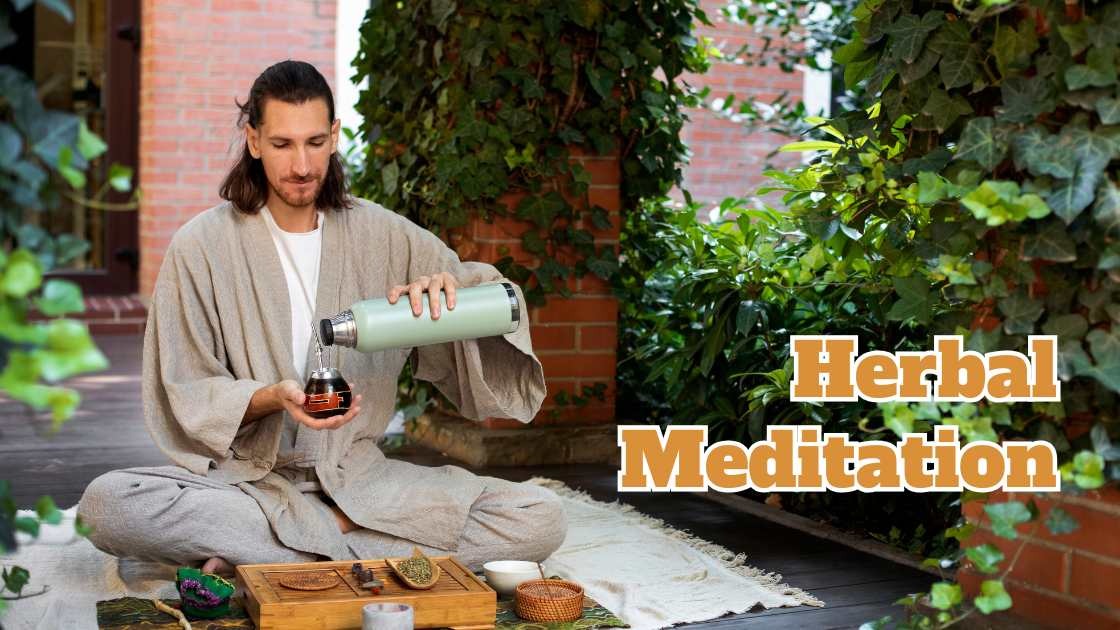
Herbal meditation offers a natural way to calm your mind, reduce anxiety, and restore inner balance. In today’s fast-paced world, stress and tension can take a serious toll on both mental and physical health. This article explores herbal meditation practices for stress relief, showing how incorporating calming herbs into your routine can enhance mindfulness, promote relaxation, and support overall well-being.
You will learn practical techniques for mindfulness meditation, the benefits of aromatherapy, using calming herbal teas, and creating a peaceful meditation space at home. Additionally, we’ll cover how natural remedies and herbal rituals can work together to boost emotional resilience and improve focus. By the end, you’ll have simple yet effective strategies to transform your mind and body naturally, harnessing the soothing power of herbs.

Understanding Herbal Meditation and Its Roots
It is a practice that combines the calming effects of herbs with traditional meditation techniques to enhance relaxation, focus, and emotional well-being. The practice has roots in ancient traditions where herbal remedies were used alongside spiritual exercises to balance the mind, body, and soul. Historically, cultures in Asia and the Middle East used herbs like lavender, chamomile, and sage to create a serene environment for meditation and mindfulness practices.
This holistic approach recognized that the mind-body connection could be strengthened through the soothing effects of nature. By integrating natural remedies into daily routines, individuals could experience deeper relaxation and improved mental clarity. Today, herbal meditation continues to gain popularity for its gentle yet effective methods to manage stress and promote overall wellness.
Importance of Herbal Meditation in Modern Life
In contemporary life, stress and anxiety are common challenges that affect both mental and physical health. Herbal meditation offers a natural solution that helps to reduce these pressures. Through practices like mindfulness meditation, aromatherapy, and the use of calming herbal teas, individuals can cultivate a sense of inner peace and focus.
The importance of this practice lies in its ability to provide stress relief, improve emotional resilience, and enhance cognitive clarity without relying on synthetic medications. Incorporating herbs such as peppermint, rosemary, or holy basil can make meditation sessions more effective by stimulating the senses and creating a calming atmosphere. Modern research also supports the role of herbal practices in lowering cortisol levels and promoting relaxation, making herbal meditation a practical tool for overall wellness.
Benefits of Practicing Herbal Meditation
Practicing herbal meditation regularly offers a variety of physical, emotional, and mental benefits.
1.Stress Reduction: Herbs like chamomile and lavender help calm the nervous system, supporting deep relaxation and mental clarity.
2.Improved Focus: Using aromatherapy and herbal teas during meditation can enhance concentration and cognitive performance.
3.Emotional Balance: Regular practice promotes mindfulness and emotional stability, helping to manage anxiety and mood swings.
4.Better Sleep: Herbal routines often include calming rituals that prepare the mind and body for restful sleep.
5.Boosted Immunity: Many herbs, such as ginger and holy basil, have natural healing properties that strengthen overall health.
These benefits demonstrate that herbal meditation is more than a simple relaxation technique it’s a lifestyle approach that nurtures both body and mind.
Common Practices:
Using Calming Herbal Teas
One of the most accessible ways to integrate herbs into meditation is through herbal teas. Drinking teas made from chamomile, peppermint, or lavender before meditation can prepare the mind for focus and relaxation. These teas act as natural remedies that reduce stress hormones and create a peaceful state.
Incorporating Aromatherapy
Essential oils and herbal scents are widely used in meditation to enhance sensory awareness. Aromatherapy with rosemary, lavender, or sandalwood can increase concentration, elevate mood, and deepen mindfulness practices. Diffusers, incense, or topical oils can all be part of a calming routine.
Creating a Peaceful Meditation Space
The environment plays a crucial role in meditation. Using elements like sage smudging, herbal incense, and soft lighting can transform a simple room into a sanctuary for relaxation. A dedicated space encourages consistency and supports the effectiveness of mindfulness meditation practices.
Challenges in Practicing :
While it is highly beneficial, some challenges may arise. Finding the right combination of herbs, managing time for consistent practice, and creating a suitable environment can be difficult for beginners. Some individuals may also experience mild allergies or sensitivities to certain herbs. However, these challenges can be addressed by starting with small sessions, selecting herbs carefully, and gradually building a personalized routine. Understanding these obstacles ensures a more sustainable and enjoyable meditation journey.

Examples of Effective Meditation Techniques
Mindfulness with Herbal Teas
Sit comfortably with a cup of chamomile tea. Focus on each sip, noticing the aroma, taste, and warmth. This practice enhances mind-body awareness and provides deep relaxation.
Aromatherapy Breathing Exercises
Inhale the scent of lavender or rosemary while performing slow, controlled breathing. Combining deep breathing techniques with herbal scents improves concentration, lowers stress, and enhances mindfulness.
Herbal Rituals for Evening Meditation
Create a ritual by lighting herbal incense, playing soft music, and sipping a warm herbal tea. These small steps build a calming routine that signals the mind and body to enter a peaceful state, promoting better sleep and emotional balance.
Making Herbal Meditation a Daily Habit
Consistency is key to reaping the full benefits of herbal meditation. Start with short sessions of 10–15 minutes, gradually extending the duration as comfort increases. Using natural remedies, calming teas, aromatherapy, and dedicated mindfulness practices ensures long-term stress relief and improved mental health. Combining these methods with daily mindfulness exercises, journaling, or yoga can amplify the positive effects on overall well-being.
Conclusion:
In conclusion, herbal meditation offers a natural and effective way to reduce stress, enhance mindfulness, and promote overall well-being. By integrating calming herbal teas, aromatherapy, and simple herbal rituals into daily routines, individuals can improve emotional resilience, boost cognitive clarity, and restore balance to both mind and body. Consistent practice of these techniques allows for deeper relaxation, better focus, and a stronger connection with oneself. Embracing natural remedies in meditation not only soothes the nervous system but also transforms everyday stress into lasting peace and harmony.