A holistic healing collective is a community based wellness space where multiple practitioners, therapists, and healers work together under one roof to treat the mind, body, and spirit as an interconnected system. If you have been searching for a more unified, personalized, and affordable path to health, this growing model of integrative care might be exactly what you need.
Rather than visiting five separate offices across town for acupuncture, therapy, nutrition counseling, energy work, and massage, a holistic healing collective brings all of these modalities into a single accessible location. The practitioners collaborate, share insights, and often coordinate treatment plans so that every aspect of your well being receives attention.
This model is not a fringe idea anymore. According to the Global Wellness Institute’s 2025 report, the global wellness economy reached a record $6.8 trillion in 2024 and is on track to hit $9.8 trillion by 2029. People across every age group and demographic are actively choosing community centered wellness over fragmented healthcare, and holistic healing collectives sit at the heart of that shift.
Table of Contents
What Is a Holistic Healing Collective?
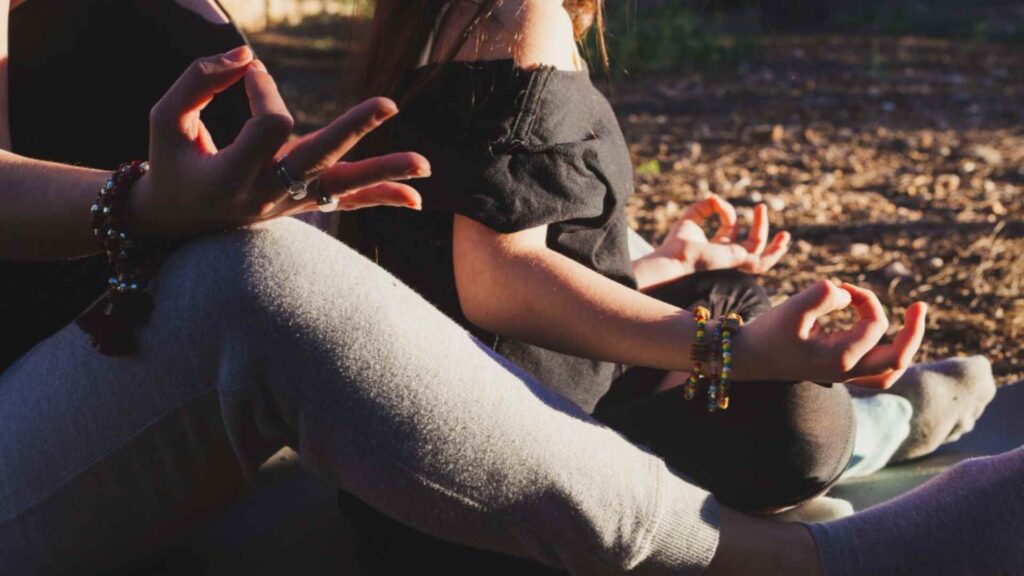
A holistic healing collective is a group of independent wellness practitioners who share a physical space, a care philosophy, and a commitment to treating each client as a whole person rather than a collection of symptoms.
Think of it as the opposite of a revolving door medical clinic. Instead of a rushed 10 minute appointment focused on one complaint, you receive longer sessions with practitioners who genuinely listen. Many of these collectives also host group workshops, meditation circles, and educational events that build a sense of community among members.
The four core principles that define most holistic healing collectives are:
Collaborative care: Practitioners communicate across disciplines. Your acupuncturist might consult with your therapist about the relationship between your anxiety and chronic shoulder tension.
Whole person philosophy: Sleep, nutrition, emotional state, spiritual health, and physical symptoms are all considered part of the same picture.
Accessibility and equity: Many collectives operate as nonprofits or cooperatives and offer sliding scale pricing, community clinic days, or scholarship programs to keep care affordable.
Community connection: These spaces foster belonging through shared events, healing circles, and group programs that go far beyond individual appointments.
Why Are Holistic Healing Collectives Growing So Fast?
The rise of holistic healing collectives reflects a major cultural shift in how people approach their health. This is not a passing wellness fad. The numbers paint a clear picture.
A research letter published in the Journal of the American Medical Association (JAMA) in January 2024 revealed that the use of complementary health approaches among U.S. adults rose from 19.2% in 2002 to 36.7% in 2022. That represents approximately 122 million American adults now actively using some form of integrative or alternative care.
Several powerful forces are driving this growth:
Escalating healthcare costs. Conventional medical visits continue to get more expensive, especially for chronic conditions that require ongoing management. Holistic collectives frequently offer longer appointments at more competitive rates, with many providing community acupuncture sessions or group therapy circles at significantly reduced prices.
The mental health awakening. The Global Wellness Institute identified mental wellness as the second fastest growing wellness sector worldwide, expanding at 12.4% annually between 2019 and 2024. Collectives address emotional and psychological health alongside physical wellness, something most conventional clinics still struggle to do.
Demand for personalized, unhurried care. People are exhausted by assembly line medicine. In my years covering integrative health spaces, the most consistent feedback from collective clients is how good it feels to be truly heard by a practitioner who is not watching the clock.
Post pandemic health priorities. The National Center for Complementary and Integrative Health (NCCIH) documented a significant increase in interest around wellness, immunity, stress reduction, and home based healing practices following the COVID 19 pandemic.
Common Healing Modalities Offered in a Holistic Healing Collective
One of the greatest advantages of choosing a holistic healing collective is the diversity of services available under one roof. Here are the modalities you are most likely to find:
Acupuncture and Traditional Chinese Medicine
Uses thin needles placed at specific points along the body to restore energy flow, reduce pain, and support digestion, sleep, and emotional regulation. The JAMA research letter documented that acupuncture use among U.S. adults more than doubled from 1% in 2002 to 2.2% in 2022, now representing over 7.3 million people.
Reiki and Energy Healing
A gentle, hands on or hands off technique that promotes deep relaxation and supports the body’s natural recovery processes. Many collectives also offer Reiki certification training for those interested in learning the practice themselves.
Massage Therapy
Ranges from Swedish relaxation and deep tissue work to lymphatic drainage, craniosacral therapy, and prenatal massage. Practitioners in a collective setting can tailor sessions based on input from your other care providers within the same space.
Herbal Medicine and Naturopathy
Naturopathic doctors and clinical herbalists use plant based remedies, nutritional protocols, and lifestyle modifications to address conditions ranging from hormonal imbalances to chronic fatigue. According to National University of Health Sciences reporting on the JAMA survey, naturopathic medicine usage in the U.S. quadrupled from 0.3% to 1.3% of adults between 2002 and 2022.
Mindfulness, Meditation, and Breathwork
These practices form the backbone of nearly every holistic collective. The NCCIH reports that meditation usage among U.S. adults grew from 7.5% in 2002 to 17.3% in 2022, while yoga participation rose from 5% to 15.8% during the same period.
Mental Health Counseling and Psychotherapy
Licensed therapists who integrate conventional talk therapy with somatic techniques, trauma informed care, EMDR, and mindfulness based cognitive therapy. The integration of psychotherapy within a holistic collective means your therapist can collaborate directly with your bodyworker or energy healer.
Sound Therapy and Vibrational Healing
Singing bowls, tuning forks, and gong baths are growing in popularity for deep nervous system regulation and stress release. Many collectives offer these as both individual sessions and group experiences.
How Does a Holistic Healing Collective Differ from a Traditional Wellness Center?
This is one of the most commonly searched questions on this topic, and the distinction is important. Here is a side by side comparison:
| Feature | Traditional Wellness Center | Holistic Healing Collective |
| Care Approach | Individual practitioner focus | Collaborative, multi practitioner model |
| Treatment Philosophy | Often symptom focused | Root cause and whole person focused |
| Pricing Structure | Standard market rates | Frequently offers sliding scale or community rates |
| Community Element | Minimal or none | Workshops, healing circles, group events |
| Practitioner Communication | Typically siloed | Coordinated care between practitioners |
| Range of Services | Usually one or two modalities | Broad spectrum of complementary therapies |
| First Visit Experience | Brief intake, immediate treatment | In depth consultation, personalized care plan |
The most important difference is integration. In a holistic healing collective, practitioners are not just renting rooms in the same building. They share a philosophy, communicate about clients (with consent), and build treatment strategies that complement one another.
Real World Examples of Holistic Healing Collectives
Understanding how these collectives operate becomes much clearer when you look at real organizations doing this work across the country.
Freedom Community Clinic, Oakland, California
Freedom Community Clinic is a community based integrative health ecosystem that combines ancestral medicine traditions with Western medical practices. They offer free and community scale healing services including massage therapy, community acupuncture, energy healing, and integrative medicine consultations. Their Freedom School for Healing and Justice has trained over 75 local community members in whole person healing modalities.
The Well Collective, Richmond, Virginia
The Well Collective is a 501(c)(3) nonprofit dedicated to holistic healing, restorative justice, and community building. They offer mindfulness workshops, community building circles, healing arts programs, and leadership development. They are currently restoring a historic building into a permanent wellness hub called The Well, Center for Healing and Humanity.
S.A.G.E. Holistic Health and Wellness Center, Santa Ana, California
S.A.G.E. operates within The Holistic Healing Collective at their Santa Ana location, offering evidence based therapy combined with Reiki, spiritual care, and community education. As a nonprofit, they prioritize accessible session rates and sliding scale availability so that financial barriers do not prevent anyone from receiving care.
Holistic Wellness Collective, Huntsville, Alabama
The Holistic Wellness Collective in Huntsville brings together practitioners offering massage therapy, essential oil consultations, energy healing, sound therapy, and spiritual guidance all in a single shared location. Their model allows clients to find all the puzzle pieces of their healing journey without visiting multiple offices across town.
Each of these examples operates with a slightly different structure, from nonprofit to cooperative to shared practice, but they all share the core commitment to collaborative, whole person care.
What to Expect at Your First Holistic Healing Collective Visit
If you have never visited a holistic healing collective before, knowing what to expect can make the experience much more comfortable and productive. Here is a typical first visit timeline:
Before your appointment: Most collectives will ask you to fill out an intake form covering your medical history, current medications, health goals, lifestyle habits, and what modalities you are interested in exploring. Some send this digitally before your visit.
The initial consultation (15 to 30 minutes): Your first session usually begins with a conversation rather than a treatment. A practitioner or intake coordinator will review your health history, ask about your goals, and recommend which combination of modalities might serve you best.
Your first treatment (45 to 90 minutes): Depending on the modality, your first session could involve acupuncture, massage, a Reiki session, talk therapy, or a combination. Sessions at collectives tend to run longer than those at conventional clinics because practitioners value unhurried, attentive care.
Post session recommendations: You will likely receive guidance on home care practices such as herbal teas, breathing exercises, journaling prompts, or dietary adjustments that support your healing between visits.
Follow up plan: The practitioner may suggest a follow up schedule and, with your consent, coordinate with other practitioners in the collective to create an integrated care plan tailored specifically to you.
How to Find the Best Holistic Healing Collective Near You
Finding the right holistic healing collective near you requires a bit of research beyond a standard Google Maps search. Here are the most important factors to evaluate:
Verify practitioner credentials. Every healer in the collective should hold valid certifications or licenses for their specific modality. Look for licensed massage therapists, board certified naturopaths, credentialed acupuncturists, and licensed mental health professionals. A reputable collective displays this information openly on their website.
Evaluate their care philosophy. Ask whether practitioners coordinate care or simply share a building. The strongest collectives encourage cross referral, joint treatment planning, and ongoing communication between their practitioners.
Assess pricing transparency. Ethical holistic wellness communities publish their rates clearly and inform you about sliding scale options, community clinic days, or package discounts before your first visit. If pricing feels hidden or confusing, that is a signal to look elsewhere.
Read client reviews and testimonials. Check Google, Yelp, and social media for patterns in client satisfaction. Pay close attention to comments about how welcomed people felt, how thoroughly practitioners listened, and how well the team communicated.
Attend an open event before booking. Many collectives host free workshops, open houses, or introductory meditation sessions. These events give you a chance to experience the atmosphere, meet the practitioners, and decide whether the space feels right for you.

Red Flags to Watch for When Joining a Holistic Healing Collective
Not every collective operates with integrity. Protect your health and your wallet by watching for these warning signs:
Any practitioner who tells you to stop seeing your doctor. A trustworthy holistic healer works alongside conventional medicine, never against it. If someone discourages you from following medical advice, leave immediately.
Vague or undisclosed credentials. Legitimate practitioners are proud to share their training and qualifications. If a collective cannot clearly explain who their healers are and what they are certified in, that is a serious concern.
High pressure sales tactics. Be cautious of collectives that push expensive long term packages during your first visit. Ethical organizations let the quality of their care speak for itself.
Promises of guaranteed results. No practitioner in any field, conventional or holistic, can guarantee a specific health outcome. Claims of miracle cures for serious conditions are a major red flag.
No intake process or health history review. A proper collective will always ask about your medical background, current medications, allergies, and goals before recommending any treatment. Skipping this step is unsafe and unprofessional.
How to Start Your Own Holistic Healing Collective
For practitioners who dream of building a community based healing space, the timing has never been better. The Global Wellness Institute consistently identifies collaborative wellness models as among the fastest growing segments in the global wellness economy. Here is a practical roadmap:
Step 1: Define your mission and values. Decide whether your collective will focus on mental health, physical wellness, spiritual growth, health equity, or an integrated combination. Write a clear mission statement that guides every future decision from hiring to pricing.
Step 2: Assemble a diverse practitioner team. Recruit healers from complementary disciplines so clients can access a full spectrum of care without leaving the building. A strong initial team might include a licensed therapist, an acupuncturist, a yoga instructor, a nutritionist, and an energy healer.
Step 3: Choose a legal structure. Most collectives operate as LLCs, worker cooperatives, or 501(c)(3) nonprofits. S.A.G.E. Holistic Health and Wellness Center in Santa Ana uses a nonprofit model to keep care affordable, while others use cooperative structures where practitioners share ownership and decision making. Consult a business attorney to find the best fit for your goals.
Step 4: Secure a welcoming physical space. Location and atmosphere matter enormously. Choose a space with natural light, calming aesthetics, good sound insulation between treatment rooms, and a shared area large enough for group workshops and community events.
Step 5: Build community before revenue. Host free or low cost events, partner with local yoga studios and health food stores, and show up consistently in your neighborhood. In my experience covering wellness organizations, the collectives that thrive long term are the ones that earn trust through genuine generosity before asking for anything in return.
What Does the Future Hold for Holistic Healing Collectives?
The trajectory for integrative and community based wellness is overwhelmingly positive across every measurable indicator.
The Global Wellness Institute reports that the global wellness economy has doubled since 2013, and every regional market worldwide has seen significant growth over the past five years. Mental wellness and wellness real estate are leading that charge at 12.4% and 19.5% annual growth respectively.
Technology is expanding access. Virtual healing circles, telehealth acupuncture consultations, and app based meditation programs are making holistic collective care available to people who cannot visit in person. Precedence Research estimates that the global wellness technology market reached $57.1 billion in 2025 and is projected to exceed $208 billion by 2035.
Generational shifts are accelerating demand. Gen Z and millennials view mental and emotional health as foundational rather than optional, and they actively seek out collaborative, values driven wellness spaces over impersonal corporate clinics. This cultural transformation virtually guarantees that holistic healing collectives will continue multiplying in communities worldwide.
Topical Range: Related Areas Worth Exploring
If the holistic healing collective model resonates with you, these related topics can deepen your understanding of integrative wellness:
Functional medicine uses advanced lab testing and personalized protocols to identify the root cause of chronic disease rather than managing symptoms alone.
Ayurveda and Traditional Chinese Medicine offer time tested frameworks for understanding individual body constitutions and restoring internal balance through diet, herbs, and lifestyle practices.
Somatic therapy explores how trauma is stored in the body and uses movement based techniques for processing and release.
Community herbalism emphasizes locally grown, culturally relevant plant medicine and teaches self sufficiency in foundational health practices.
Wellness tourism continues to expand globally as travelers seek immersive retreat experiences that combine multiple healing modalities in destination settings.
Integrative oncology brings complementary therapies like acupuncture, meditation, and nutritional support into cancer care alongside conventional treatments.
Each of these fields intersects naturally with the holistic healing collective model and represents an opportunity for both practitioners and clients.
Conclusion
A holistic healing collective represents one of the most meaningful evolutions happening in modern wellness. By gathering diverse practitioners under a shared philosophy of whole person care, these communities provide something that fragmented healthcare systems often cannot: genuine coordination, financial accessibility, and a deep respect for the connection between mind, body, and spirit.
Whether you are a client searching for more personalized and affordable care or a practitioner ready to build something rooted in collaboration, the evidence is clear that this model resonates with millions of people and the numbers continue to climb. From Oakland to Richmond to Huntsville to Santa Ana, real collectives are transforming real lives right now.
Take the first step. Search for a holistic healing collective in your area, attend an open event, or book an introductory consultation. If this guide helped clarify what community based integrative wellness looks like, share it with someone who might benefit from a more connected approach to healing.
Frequently Asked Questions
What does a holistic healing collective do?
A holistic healing collective brings together multiple wellness practitioners offering services such as acupuncture, therapy, massage, energy work, and herbal medicine in one shared space. Practitioners collaborate and often coordinate individualized care plans for each client, treating the whole person rather than isolated symptoms.
How much does it cost to visit a holistic healing collective?
Individual sessions typically range from $50 to $200 depending on the modality and practitioner. Many collectives offer sliding scale pricing, community clinic days with reduced rates, or bundled packages to make holistic care more financially accessible.
Is holistic healing backed by science?
Many modalities offered in holistic collectives have growing bodies of peer reviewed research supporting their effectiveness. According to the NCCIH, over 36% of U.S. adults now use complementary health approaches, and studies published in JAMA have documented measurable therapeutic benefits of practices like acupuncture, meditation, and chiropractic care for pain management.
How do I find a holistic healing collective near me?
Search Google Maps or directories like Yelp using terms such as “holistic healing collective near me,” “integrative wellness center,” or “community acupuncture clinic.” You can also ask for referrals from local yoga studios, health food stores, naturopathic clinics, or community health boards.
Can I use insurance at a holistic healing collective?
Some services such as licensed mental health counseling, chiropractic care, and acupuncture may be covered by insurance depending on your plan and the practitioner’s credentials. Always verify coverage directly with the collective and your insurance provider before scheduling, as benefits vary widely.
What is the difference between holistic healing and alternative medicine?
Holistic healing is a broad philosophy that views each person as an integrated whole across physical, mental, emotional, and spiritual dimensions. Alternative medicine refers to specific therapies practiced outside of conventional Western medicine. A holistic healing collective typically incorporates both alternative and evidence based approaches within a collaborative, community centered care model.
Are holistic healing collectives safe?
Reputable collectives employ licensed and certified practitioners, conduct thorough intake assessments before any treatment, and encourage clients to maintain their relationships with conventional medical providers. Safety depends on choosing a collective that is transparent about credentials, follows ethical guidelines, and respects your autonomy as a client.