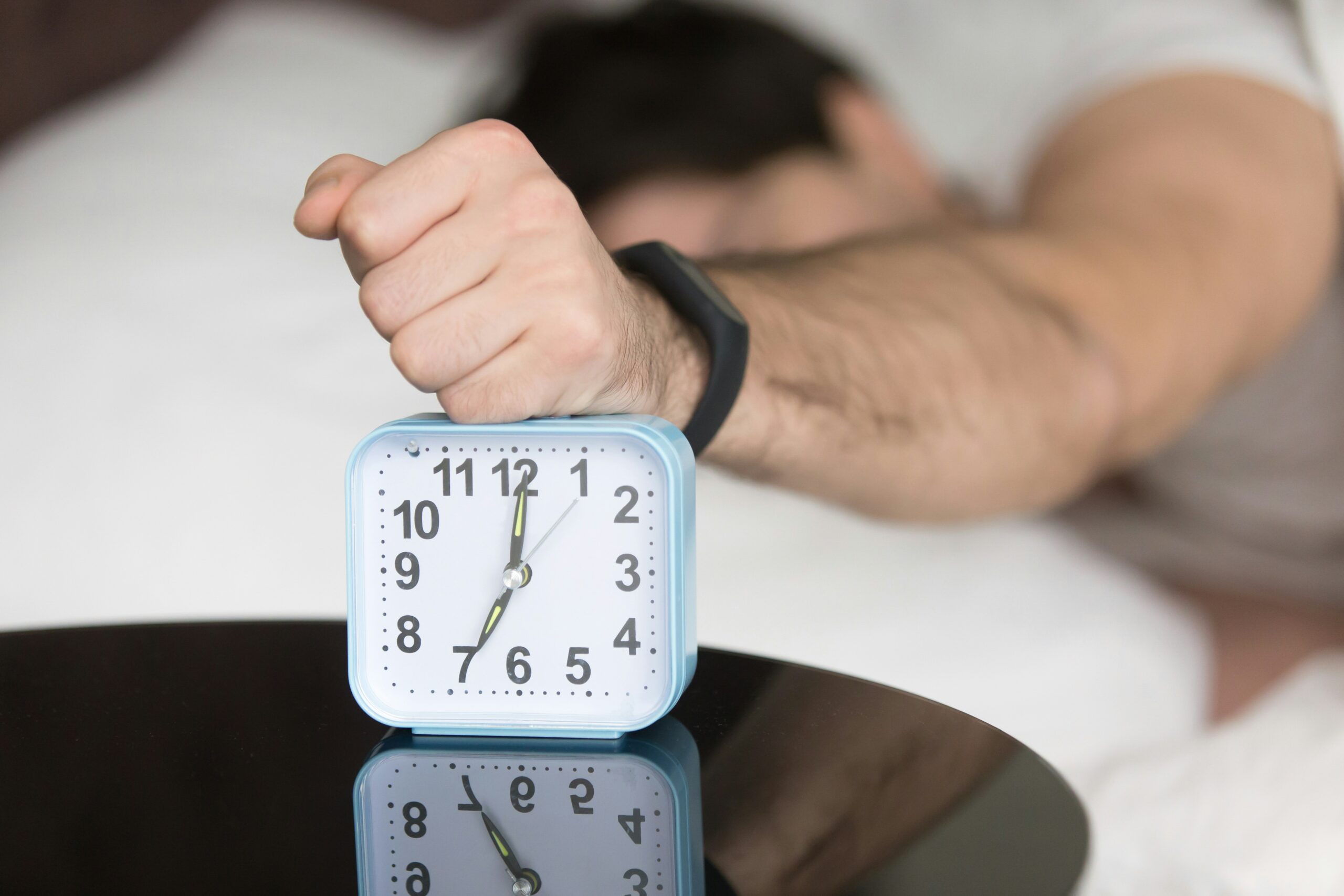
Good sleep is like fuel for your body and mind. It helps you wake up refreshed, think clearly, and stay healthy. But many people struggle to sleep well, and that’s where the idea of a sleep score comes in.
A sleep score is a number given by apps, smartwatches, or fitness trackers. It measures how well you slept based on things like total sleep time, how many times you woke up, and how much deep or REM sleep you got. A high score means you slept well. A low score means your body didn’t get the rest it needed.
The good news? Improving your sleep score is easier than you think. Let’s look at simple ways you can sleep better and wake up feeling energized.
Why Your Sleep Score May Be Low
Several habits and lifestyle choices can lower your score, such as:
- Not sleeping long enough
- Waking up many times during the night
- Inconsistent bedtime and wake-up times
- Too much screen time before bed
- Caffeine, alcohol, or heavy meals late at night
- Stress or overthinking when it’s time to sleep
By identifying these factors, you can start making small changes that really improve your rest.

How to Improve Sleep Score: 8 Simple Steps
1. Stick to Regular Sleep Times
Your body loves routine. Try to go to bed and wake up at the same time every day even on weekends. This trains your body to fall asleep faster and stay asleep longer.
2. Relax Before Bed
Give your mind a signal that it’s time to slow down. You can:
- Read a light book
- Stretch gently
- Listen to soft music
- Meditate or breathe deeply
A calming routine helps you drift into deeper sleep.
3. Reduce Screen Use at Night
Phones, TVs, and laptops give off blue light that confuses your brain into staying awake. Turn off screens an hour before bed. If that’s hard, at least switch on night mode or use blue-light filters.
4. Make Your Bedroom Sleep-Friendly
A good environment makes a big difference. Try these quick fixes:
- Keep the room cool and dark
- Use cozy bedding and pillows
- Block noise with earplugs or white noise
- Remove clutter so the room feels peaceful
5. Watch Your Eating and Drinking Habits
What you eat and drink can impact sleep. To improve your score:
- Avoid coffee and energy drinks in the afternoon or evening
- Limit alcohol it can cause restless nights
- Skip heavy dinners close to bedtime
- Drink enough water during the day, but not too much right before bed
6. Stay Active in the Day
Daily movement, like walking, stretching, or light exercise, helps you sleep better at night. Just avoid hard workouts right before bed since they can make you too alert.
7. Manage Stress
Stress often keeps people awake. Try simple stress-busting habits like journaling, gratitude lists, or short mindfulness exercises. Writing down tomorrow’s tasks before bed can also clear your mind.
8. Keep Naps Short
A quick nap (15–20 minutes) is fine, but long naps or late naps can make it harder to sleep at night. If you’re really tired, nap earlier in the day.

Why Improving Your Sleep Score Matters
A higher sleep score means you’re not just sleeping more you’re sleeping better. Here’s what you gain when your score improves:
- More energy and focus
- Better mood and less stress
- Stronger immune system
- Lower risk of health problems
- Deeper connections with people because you feel more present
Quality sleep doesn’t just change your nights it transforms your days.
Conclusion
Learning how to improve sleep score is about building small, healthy habits. Start with a consistent routine, relax before bed, limit screens, and make your bedroom comfortable. Add in better eating habits, daily movement, and stress management, and you’ll notice big improvements.
Remember, it’s not about being perfect it’s about progress. Even small steps can help you sleep better, raise your sleep score, and wake up ready to take on the day.