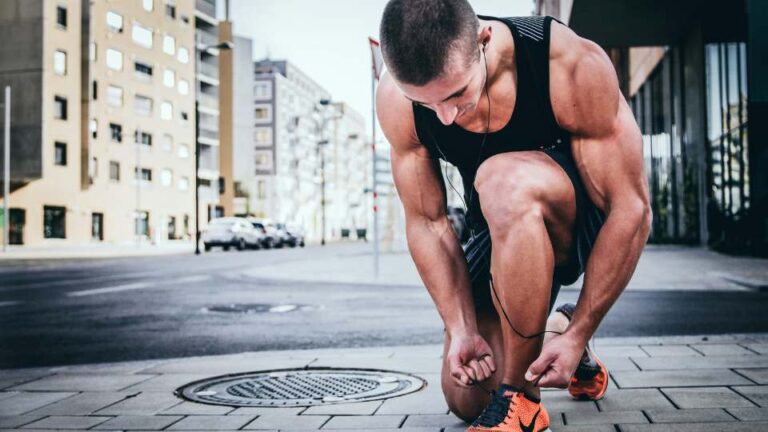
When discussions about body image arise, they are often centered on women. However, male body image issues are an equally pressing concern, though they remain less visible in mainstream conversations. In today’s world, where social media, celebrity culture, and fitness trends dominate, men face mounting pressure to achieve a specific physical appearance. This struggle can significantly affect their mental health, self-esteem, and overall quality of life.
What Are Male Body Image Issues?
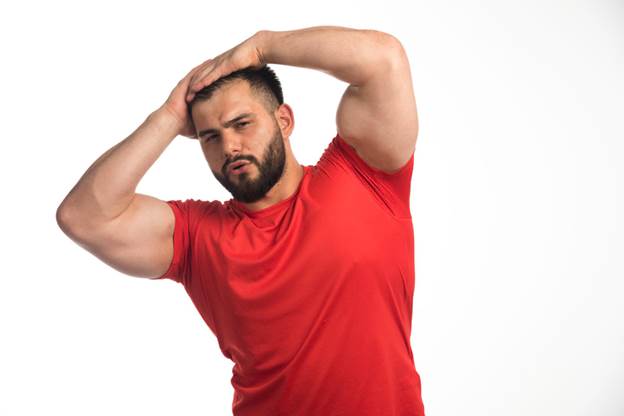
Male body image issues refer to the stress, dissatisfaction, or insecurity men feel about their bodies. This may involve worries about being overweight, not having enough muscle, or failing to match the “ideal” physique seen in magazines, movies, and online platforms. While women often face pressure to be slim, men are commonly expected to be lean, tall, and muscular. Failing to achieve this standard can trigger frustration and a negative relationship with one’s body.
The Role of Media and Culture
Media plays a powerful role in shaping perceptions of attractiveness. Action movie heroes, athletes, and influencers often project an image of strength and perfection. These portrayals create unrealistic expectations, pushing many men to believe they must look the same to be respected or admired. This constant exposure fuels male body image issues and fosters the belief that physical appearance determines worth.
Cultural expectations also add pressure. In many societies, men are encouraged to equate masculinity with strength and size. When reality doesn’t match this cultural standard, self-doubt and insecurity can take root.
Common Forms of Male Body Image Issues
The spectrum of male body image issues is broad, but some concerns are more common than others:
- Muscle Dysmorphia – Sometimes called “bigorexia,” this condition makes men feel they are never muscular enough, regardless of their actual size.
- Weight Concerns – Fear of being overweight or not having a lean physique often leads to dieting, over-exercising, or unhealthy eating patterns.
- Height Anxiety – Many men feel insecure about not being tall enough, especially in cultures that link height with confidence and power.
- Hair Loss Stress – Balding or thinning hair can trigger self-consciousness and contribute to negative body image.
Each of these examples highlights the diversity of male body image issues and the emotional challenges they create.
The Impact on Mental Health
Unresolved male body image issues often go hand in hand with mental health struggles. Men dealing with these concerns may experience anxiety, depression, or obsessive behaviors related to diet and exercise. Some may avoid social activities for fear of judgment, while others push their bodies to extremes with supplements, steroids, or overtraining.
What makes this problem worse is the stigma around men’s mental health. Many men are taught to “tough it out” instead of opening up about their insecurities. This silence can deepen the emotional toll of body dissatisfaction and delay proper support.
Social Media and Comparison
The rise of social media has amplified male body image issues. Platforms like Instagram and TikTok are filled with fitness models, athletes, and influencers who appear flawless. Men scrolling through these feeds often compare themselves to unrealistic or edited images. This comparison cycle can lead to feelings of inadequacy and self-criticism.
Algorithms also play a role by repeatedly showing content related to fitness or muscle building, reinforcing the pressure to achieve a “perfect” body. For men already struggling with insecurities, this can create a loop that intensifies their struggles.

Healthy Ways to Address Male Body Image Issues
Overcoming male body image issues requires a balanced and supportive approach. Here are some strategies:
- Shift the Focus – Instead of obsessing over appearance, focus on health, strength, and overall well-being.
- Limit Comparisons – Reducing time spent comparing oneself to others, especially on social media, can help ease unrealistic expectations.
- Seek Professional Support – Talking with a therapist or counselor can help men challenge negative thought patterns and build self-acceptance.
- Practice Self-Compassion – Recognizing that no one has a “perfect” body encourages healthier self-talk and body confidence.
- Diversify Role Models – Following individuals who promote body positivity and realistic standards can help counter the pressure from mainstream ideals.
Encouraging Open Conversations
To break the stigma around male body image issues, it’s crucial to encourage open conversations. Friends, families, and communities should create safe spaces where men can discuss their insecurities without fear of judgment. Normalizing these discussions can reduce shame and empower men to seek help when needed.
Schools and workplaces can also play a role by promoting body positivity and educating people about the dangers of unrealistic standards. The more awareness is raised, the easier it becomes for men to acknowledge and address their struggles.
Final Thoughts
Male body image issues are more common than most people realize, and they deserve as much attention as the body image struggles faced by women. The pressures of media, culture, and social comparison can make men feel like they are never “enough,” leading to harmful physical and mental outcomes.
By raising awareness, promoting open dialogue, and encouraging healthier perspectives, society can help men move toward body confidence and self-acceptance. Ultimately, tackling male body image issues is not just about changing individual mindsets it’s about reshaping cultural expectations and creating a healthier environment for everyone.