When the subject of abuse is discussed, society’s focus often centers on women as victims. While this is important, another urgent issue that remains largely overlooked is men and abuse. Men, just like women, can experience emotional, physical, financial, and sexual abuse, and the consequences can be equally devastating. Unfortunately, because of stigma, cultural pressures, and fear of judgment, many men remain silent about their suffering. This silence enables abuse to continue unchecked, leaving countless victims without recognition or support. Addressing men and abuse openly is essential for raising awareness, creating supportive environments, and encouraging male victims to seek help without shame.

Why Men and Abuse Are Overlooked
The issue of men and abuse is often ignored because of traditional stereotypes. Men are typically portrayed as strong, resilient, and capable of enduring any hardship. This image creates the harmful belief that men cannot or should not be victims. Society has long conditioned men to hide emotions and avoid showing vulnerability, which discourages them from admitting abuse.
When male victims do experience mistreatment, they often fear that acknowledging it will be seen as weakness. This fear silences them and reinforces the damaging narrative that abuse is a women-only issue. By recognizing men and abuse as a genuine social problem, society can begin to dismantle these outdated cultural barriers.
Types of Men and Abuse
Abuse against men takes place in different environments within intimate relationships, families, workplaces, or even communities. To provide the right support, it is important to understand the various types of men and abuse:
- Emotional Abuse – Verbal insults, gaslighting, humiliation, and manipulation can deeply damage a man’s confidence and emotional health.
- Physical Abuse – Many men endure violence but rarely report it, making this type of men and abuse almost invisible.
- Financial Abuse – Some abusers control a man’s income, restrict access to funds, or sabotage his employment opportunities, stripping away independence.
- Sexual Abuse – A sensitive but real form of men and abuse, sexual assault and harassment deeply affect men, yet reporting remains extremely low due to stigma.
By acknowledging these forms of men and abuse, society moves closer to offering victims the resources and protection they deserve.
Barriers Preventing Men from Seeking Help
One reason men and abuse remain hidden is cultural expectations that men should “tough it out.” Traditional gender roles discourage men from showing vulnerability or admitting they need help. But other barriers also play a role:
- Fear of not being believed or taken seriously.
- Shame or embarrassment about being a victim.
- Lack of knowledge about support systems for men and abuse.
- Fear of ridicule or loss of respect from family, friends, or colleagues.
These barriers keep many men stuck in cycles of abuse longer than necessary. Addressing stigma around men and abuse is vital to ensure victims feel safe enough to reach out for help.
Psychological Effects of Men and Abuse
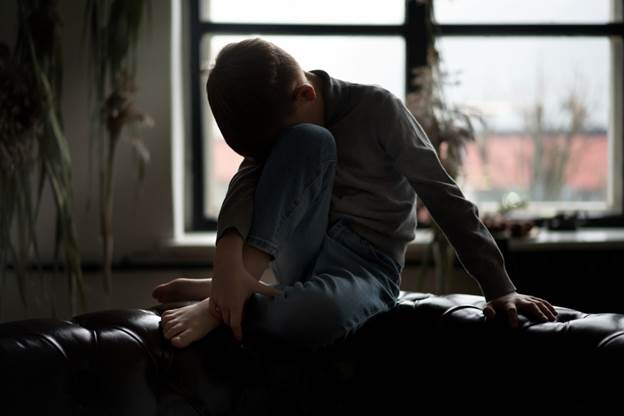
The effects of men and abuse are not only physical but also deeply psychological. Male victims may experience depression, anxiety, social withdrawal, or even post-traumatic stress disorder (PTSD). For some, abuse leads to substance misuse, risky behavior, or difficulty forming healthy relationships.
The long-term consequences of men and abuse can harm careers, damage families, and undermine overall well-being. Recognizing these mental health struggles is essential so that men are encouraged to seek counseling, therapy, and community support. Without proper intervention, trauma continues to affect victims for years.
Supporting Men Experiencing Abuse
Helping men who experience abuse requires awareness, compassion, and action. Practical steps to support victims of men and abuse include:
- Listen Without Judgment – Offer men safe spaces where they can share their stories freely.
- Promote Awareness – Campaigns and education must emphasize that abuse affects both genders.
- Encourage Professional Support – Therapy, counseling, and men-focused support groups are critical.
- Provide Resources – Legal protection and community services dedicated to men and abuse are essential.
By adopting these measures, society can break down barriers and ensure male victims are not left behind.
Changing the Narrative
Tackling men and abuse requires a major cultural shift. Abuse is not gender-specific; it affects people across all ages, backgrounds, and social statuses. Schools, workplaces, and media outlets must play a role in challenging old beliefs and spreading awareness.
Open discussions about men and abuse can help normalize the reality of male victimization. The more conversations take place, the more likely men will feel empowered to seek help, report abuse, and begin recovery. Changing the narrative reduces stigma and fosters an environment of compassion and equality.
Conclusion
The issue of men and abuse is real, urgent, and equally deserving of attention alongside women’s experiences. Men can suffer emotional, physical, financial, and sexual mistreatment, yet silence often prevents them from seeking help. Breaking this silence is essential for healing, awareness, and prevention.
By openly addressing men and abuse, promoting supportive resources, and encouraging men to seek help without shame, society can create safer communities for everyone. Recognizing men and abuse not only empowers individuals but also builds a more compassionate and balanced world. It is time to break the silence and ensure that no victim regardless of gender is left behind.