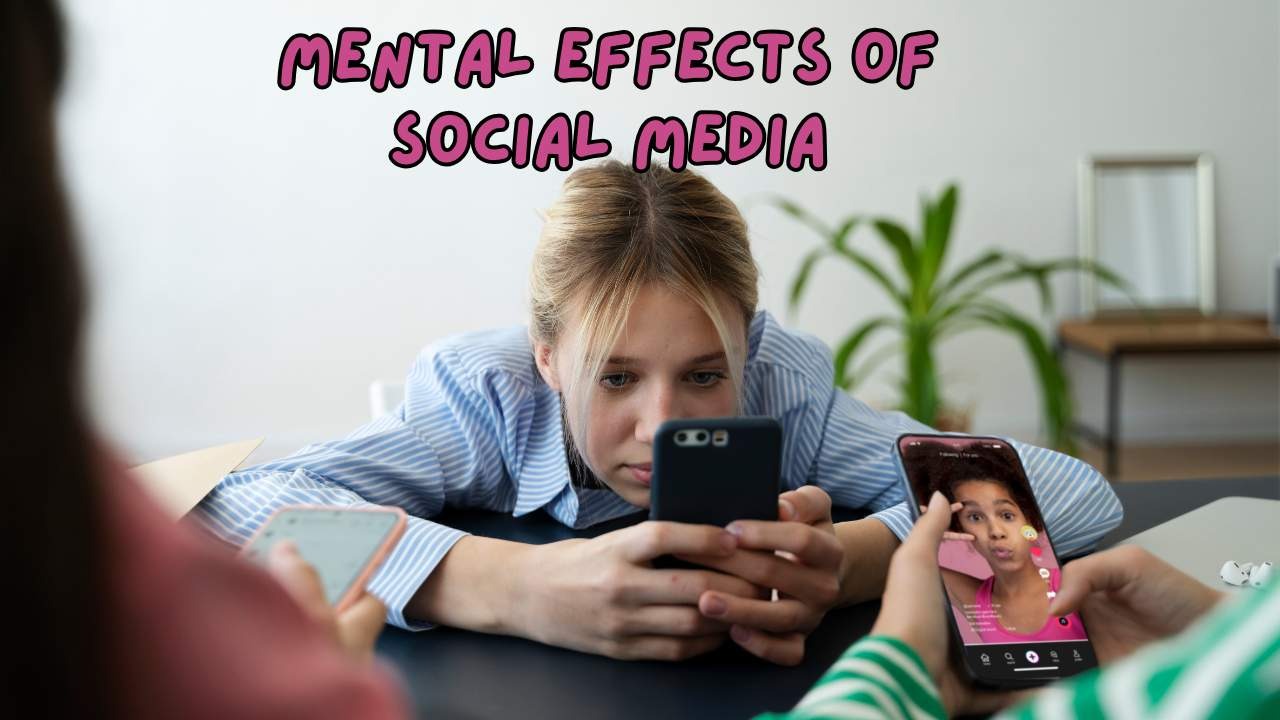
Social media has become an integral part of teenage life, but many are unaware of its profound mental effects of social media. From endless scrolling to constant notifications, platforms like Instagram, TikTok, and Snapchat can significantly influence teen mental health, emotional well-being, and daily behavior.
This article dives deep into how social networking habits, online interactions, and exposure to curated content impact the psychological health of adolescents. We will explore key aspects such as anxiety, depression, self-esteem, sleep patterns, and overall behavioral changes caused by prolonged social media use. By understanding these influences, parents, educators, and teens themselves can take practical steps to maintain a healthy balance between online engagement and real-life connections. This comprehensive analysis aims to shed light on the unseen challenges while providing strategies to foster healthy digital habits.
The Definition and Scope of Social Media Impact
The mental effects of social media refer to the psychological and emotional consequences that arise from excessive or unregulated use of online platforms. Social media, including platforms like Instagram, Snapchat, TikTok, and Facebook, has transformed how teenagers communicate, learn, and express themselves. While these platforms offer instant connectivity and entertainment, they also introduce psychological pressures, such as the need for peer approval, fear of missing out (FOMO), and exposure to unrealistic lifestyle standards. Understanding these effects is crucial for teen mental health, as early recognition can prevent long-term challenges.
Historically, social media emerged as a tool for digital communication and content sharing, but over time, its pervasive presence has influenced behavioral patterns, attention spans, and emotional resilience. Today, teenagers are considered the most vulnerable age group because of their developing cognitive skills and susceptibility to peer influence.
Background and Evolution of Social Media Influence
The evolution of mental effects of social media began in the early 2000s with platforms like MySpace and Friendster, gradually progressing to Instagram, TikTok, and Twitter. These platforms were initially designed to enhance connectivity and knowledge sharing. However, with features like likes, comments, and follower counts, social media started influencing self-perception and social comparison.
Over time, studies have revealed that prolonged usage can lead to increased stress, anxiety, and even depression among teenagers. Modern algorithms are designed to maximize user engagement, often encouraging repetitive scrolling, which indirectly impacts sleep quality, attention span, and academic performance. Recognizing the historical context helps in understanding why mental health professionals emphasize moderation and healthy digital habits today.
Positive Aspects and Benefits of Social Media
While much of the discussion focuses on negative consequences, it is equally important to recognize the benefits of social media. Platforms provide teenagers with avenues for self-expression, creativity, and peer support. For example, social media communities can promote educational content, mental health awareness, and emotional support networks.
Some notable benefits include:
• Connectivity with peers and family, even across long distances
• Access to educational resources and learning opportunities
• Exposure to diverse perspectives, fostering empathy and cultural understanding
• Platforms to express creativity, such as video making, writing, or art sharing
Understanding these advantages helps balance the discussion and promotes responsible usage among teenagers, highlighting that social media is not inherently harmful but requires mindfulness.

Challenges and Negative Mental Effects
Despite the benefits, the mental effects of social media on teenagers can be significant. Studies indicate that excessive screen time can lead to sleep deprivation, low self-esteem, cyberbullying, and social anxiety. The constant exposure to curated lifestyles can create unrealistic expectations, contributing to stress, negative body image, and emotional fatigue.
Social Comparison and Self-Esteem
Teenagers often measure their self-worth against others based on likes, comments, and followers. The mental effects of social media can trigger jealousy, insecurity, and self-doubt, affecting their overall psychological well-being.
Cyberbullying and Online Harassment
Online harassment is another critical concern. Experiencing cyberbullying can result in anxiety, depression, and in extreme cases, self-harm tendencies. Awareness and intervention are crucial in mitigating these negative impacts.
Addiction and Overuse
The addictive nature of social media leads to screen addiction, reducing engagement in real-life social interactions. Overuse can also impair academic performance, concentration, and critical thinking abilities, as teenagers prioritize online engagement over responsibilities.
Examples of Mental Effects Among Teenagers
Several studies highlight real-world consequences of social media usage:
- A 2022 study showed that teenagers spending over 3 hours daily on social media reported higher levels of anxiety and depressive symptoms.
- Another research indicated a strong link between Instagram usage and body dissatisfaction in adolescent girls.
- Teens involved in positive online communities experienced increased emotional support and resilience, showing that the type of engagement matters.
These examples underscore the importance of understanding both positive and negative influences of social media.
Strategies to Mitigate Negative Effects
To reduce the mental effects of social media, parents, educators, and teens can implement several strategies:
- Set screen time limits to prevent excessive usage
- Encourage offline activities like sports, reading, or hobbies
- Promote awareness about cyberbullying and online safety
- Foster critical thinking regarding content consumption
- Encourage mindfulness practices to manage stress and anxiety
By adopting these measures, teenagers can enjoy the benefits of social media while minimizing risks to mental health, emotional well-being, and behavioral development.
The Importance of Awareness and Healthy Digital Habits
Understanding the mental effects of social media is vital for ensuring that teenagers grow up with balanced online and offline lives. Awareness helps identify early signs of stress, depression, or anxiety triggered by online interactions. Building healthy digital habits, such as limiting social media usage, prioritizing face-to-face connections, and seeking emotional support, empowers teens to navigate the digital world responsibly.
In conclusion, social media is a double-edged sword it offers connectivity, creativity, and learning opportunities, but also introduces psychological challenges. Recognizing and addressing the mental effects of social media ensures that teenagers can benefit from technology without compromising their mental health or emotional resilience.
Conclusion
In summary, understanding the mental effects of social media is essential for promoting teen mental health and overall emotional well-being. While platforms offer connectivity, creativity, and educational resources, excessive usage can lead to anxiety, depression, low self-esteem, and behavioral changes. By encouraging healthy digital habits, setting screen time limits, and fostering offline engagement, teenagers can enjoy the benefits of social media while minimizing its risks.
Awareness and proactive measures ensure a balanced approach, helping adolescents maintain both their psychological health and social confidence in an increasingly digital world.