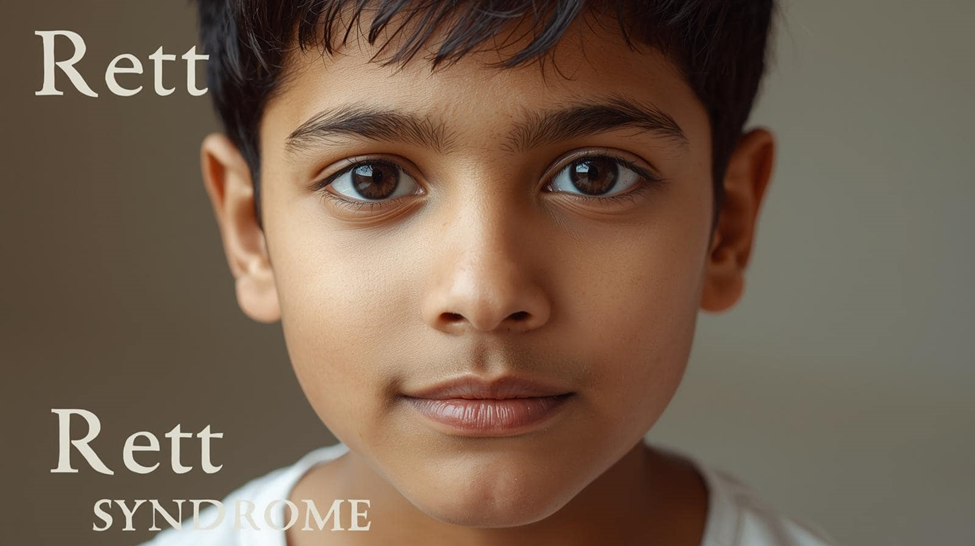
Rett syndrome is a rare neurological disorder that primarily affects girls and is linked to mutations in the MECP2 gene. This condition significantly impacts motor skills, communication, and cognitive development. Along with these challenges, there are also recognizable Rett syndrome facial features that can provide important clinical clues. While these physical traits alone cannot confirm the condition, they play a supportive role in the diagnostic process when paired with genetic testing and neurological assessments.
In this article, we will explore the details of Rett syndrome facial features, their progression over time, their role in diagnosis, and why understanding them is valuable for families, caregivers, and healthcare providers.
What Are Rett Syndrome Facial Features?
Rett syndrome facial features refer to distinctive physical characteristics commonly observed in individuals with the disorder. These traits may not always appear in every case, but studies and clinical observations show certain consistent patterns. Recognizing them can guide early medical evaluations and further testing.
While the hallmark signs of Rett syndrome are developmental regression, loss of purposeful hand skills, and repetitive hand movements, facial characteristics often add another layer to the clinical picture.
Common Rett Syndrome Facial Features
Several Rett syndrome facial features have been reported across clinical research and observations. These include:
- Small Head Size (Microcephaly): Children often experience slowed head growth, becoming noticeable around early childhood.
- Prominent Eyes: One of the most recognized Rett syndrome facial features is large, expressive eyes that often stand out.
- Deep-Set Eyes: In some individuals, the eyes may appear slightly sunken.
- Flattened Midface: The area around the nose and cheeks may appear less pronounced.
- Pointed Chin: A sharp or pointed chin is frequently observed.
- Thin Upper Lip: The upper lip may appear narrow or thinner than average.
- Open Mouth Expression: Many individuals consistently display an open mouth posture.
- Delayed Dental Development: Late eruption of teeth or crowded dental structures can be part of Rett syndrome facial features.
Not all patients will exhibit every characteristic, but these traits are commonly noted across various cases.
How Rett Syndrome Facial Features Evolve Over Time
The progression of Rett syndrome facial features often coincides with the overall developmental trajectory of the condition:
- Infancy (0–6 months): Most facial differences are not immediately visible, though slower head growth may start.
- Early Childhood (1–4 years): Smaller head size and eye prominence become more noticeable.
- School Age: Facial traits become clearer, alongside motor and communication challenges.
- Adolescence and Adulthood: Many Rett syndrome facial features stabilize, while others, such as chin shape or thin lips, may become more pronounced.
Tracking these changes helps medical professionals identify Rett syndrome early and provide timely support.
Why Rett Syndrome Facial Features Matter
Recognizing Rett syndrome facial features is important for several reasons:
- Early Detection: When paired with behavioral symptoms, facial traits can raise early suspicion of Rett syndrome.
- Supporting Diagnosis: While genetic testing is required, Rett syndrome facial features help clinicians decide when to pursue testing.
- Holistic Understanding: Families gain better insight into the condition by learning about both neurological and physical markers.
However, it is important to note that these features are only supportive not diagnostic on their own.

Differentiating Rett Syndrome Facial Features from Other Disorders
Many genetic conditions have overlapping facial traits, making careful evaluation necessary. For instance:
- Angelman Syndrome may show wide mouths and distinct smiles.
- Fragile X Syndrome often presents with elongated faces and prominent ears.
- Autism Spectrum Disorders typically lack consistent facial patterns.
By focusing on the unique aspects of Rett syndrome facial features, doctors can distinguish it more effectively from similar conditions.
Emotional and Social Impact of Rett Syndrome Facial Features
Families may find that Rett syndrome facial features draw attention in social settings. While some traits, such as prominent eyes, are often described positively, others may cause self-consciousness as children grow older. Awareness campaigns can help communities better understand that these features are part of a complex neurological condition, fostering empathy rather than judgment.
Supporting Children Beyond Rett Syndrome Facial Features
Although Rett syndrome facial features are part of the condition, medical and emotional support extends far beyond appearance. Families and healthcare providers can focus on:
- Speech Therapy: To help with non-verbal communication.
- Physical Therapy: To improve strength, flexibility, and motor skills.
- Occupational Therapy: To support daily living activities.
- Nutritional Guidance: To manage feeding difficulties and growth concerns.
Recognizing Rett syndrome facial features should always go hand in hand with holistic treatment and emotional support.
Conclusion
Rett syndrome facial features play a crucial role in supporting early recognition and awareness of the condition. Traits such as microcephaly, prominent eyes, pointed chin, and thin lips are commonly observed, though not universal. These features, combined with behavioral and developmental symptoms, provide valuable insights for clinicians and families.
While they cannot replace genetic testing, Rett syndrome facial features remain an important tool for understanding and identifying the disorder. By raising awareness and educating families about these characteristics, society can create better pathways for early diagnosis, treatment, and compassionate care. Ultimately, acknowledging Rett syndrome facial features helps ensure that children receive timely medical attention while promoting understanding and acceptance within the community.