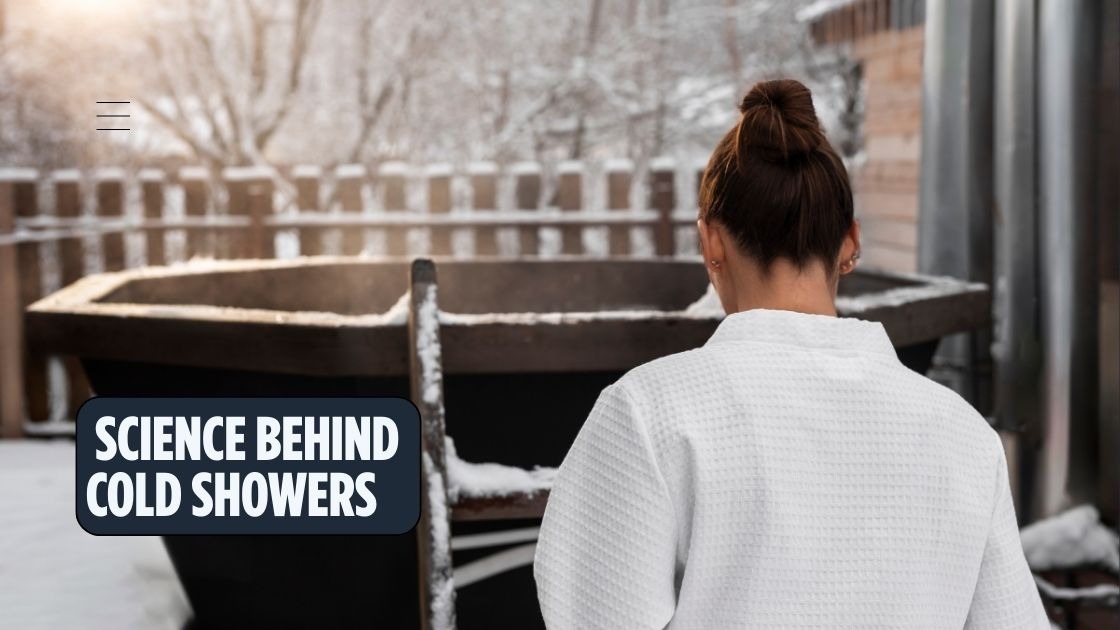
Have you ever wondered what the science behind cold showers truly reveals about your body’s hidden survival mechanisms? Most people dismiss cold water exposure as a simple wellness trend, but beneath the surface lies a complex web of neurochemical reactions that reshape how your brain and endocrine system function together. The hormetic stress response triggered during cold immersion activates pathways that most conventional health advice completely overlooks.
This article dives deep into the science behind cold showers by exploring how cold thermogenesis stimulates norepinephrine release, modulates vagal tone, and strengthens your adaptive immune response at the cellular level. You will discover how cold water therapy intersects with mitochondrial biogenesis and autonomic nervous system regulation in ways that clinical research is only beginning to confirm.
Whether you are a biohacker, a recovery-focused athlete, or someone seeking evidence-based wellness strategies, understanding the science behind cold showers will transform your perspective entirely. By the end, the science behind cold showers will no longer feel mysterious it will feel like a precise, controllable tool for physiological optimization.
What Does Cold Water Exposure Actually Do to Your Body
Understanding the science behind cold showers begins with recognizing what happens the moment cold water contacts your skin. Your body perceives the sudden temperature drop as a potential threat, which immediately activates a cascade of neurological and hormonal responses designed to protect vital organs and maintain internal homeostasis.
The thermoreceptors embedded in your skin send rapid signals through afferent nerve fibers to the hypothalamus. This region of the brain serves as the central command center for thermoregulation. Within seconds, your sympathetic nervous system shifts into overdrive, releasing a surge of catecholamines that prepare your entire physiology for a controlled survival response.
Cold water therapy has been practiced for centuries across various cultures, from ancient Roman frigidarium baths to Scandinavian ice plunges. However, modern clinical research has only recently begun to decode the precise molecular mechanisms that make this practice so effective for long term health adaptation.
How Thermoreceptors Communicate With the Brain
When you step into a cold shower, the transient receptor potential channels in your skin detect the thermal shift almost instantly. These ion channels convert the physical sensation of cold into electrical impulses that travel along the spinothalamic tract directly to the brainstem and hypothalamus.
This neural communication pathway is essential to the science behind cold showers because it determines how aggressively your body mounts its defensive response. The speed and intensity of this signaling process vary based on individual cold tolerance, prior cold exposure history, and genetic predisposition toward thermal sensitivity.
The Neuroendocrine Response and Hormetic Stress Activation
One of the most fascinating aspects of the science behind cold showers is the hormetic stress response it triggers. Hormesis refers to a biological phenomenon where a low dose stressor produces beneficial adaptive changes rather than causing harm. Cold immersion acts as precisely this type of controlled stressor.
When cold water hits your body, the hypothalamic pituitary adrenal axis activates and begins releasing cortisol in a measured, acute pattern. Unlike chronic stress, which damages tissues over time, this brief cortisol spike actually strengthens your cellular repair mechanisms and enhances resilience at the mitochondrial level.
Norepinephrine and Its Role in Cold Adaptation
Research published in peer reviewed journals has demonstrated that cold water exposure can increase norepinephrine release by up to 200 to 300 percent. This neurotransmitter plays a critical role in attention, focus, mood regulation, and vasoconstriction.
The sustained elevation of norepinephrine during repeated cold exposure sessions is a key reason why the science behind cold showers has gained so much traction in the biohacking and performance optimization communities. This neurochemical shift does not just feel invigorating. It physically rewires how your brain processes stress and discomfort over time.
Vagal Tone and Autonomic Nervous System Regulation
Cold thermogenesis directly stimulates the vagus nerve, which is the longest cranial nerve in the human body. Improved vagal tone is associated with better heart rate variability, reduced systemic inflammation, and enhanced parasympathetic recovery after physical or psychological stress.
The autonomic nervous system benefits of cold exposure extend beyond momentary relaxation. Consistent cold water therapy sessions train your body to transition more efficiently between sympathetic activation and parasympathetic recovery, creating a more resilient and adaptable stress response system overall.
Cellular and Immune System Benefits
The science behind cold showers extends well beyond neurochemistry into the domain of cellular biology and immunology. Cold exposure has been shown to activate brown adipose tissue, which plays a direct role in thermogenic energy expenditure and metabolic regulation.
At the mitochondrial level, cold stress promotes mitochondrial biogenesis, which is the process through which cells generate new mitochondria. This adaptation increases your overall energy production capacity and supports long term metabolic health in ways that few other lifestyle interventions can replicate.
Adaptive Immune Response Enhancement
Studies involving regular cold water immersion participants have revealed measurable increases in circulating white blood cell counts, particularly lymphocytes and monocytes. The adaptive immune response becomes more efficient over time as the body learns to interpret cold stress as a beneficial signal rather than a damaging threat.
Here are some of the documented physiological benefits supported by current research on the science behind cold showers.
- Increased production of anti inflammatory cytokines that reduce chronic systemic inflammation
- Enhanced circulation through repeated vasoconstriction and vasodilation cycles that strengthen vascular endothelial function
- Improved mood and cognitive clarity driven by elevated norepinephrine release and dopamine pathway activation
- Accelerated muscle recovery following intense physical exercise through reduced oxidative stress markers
- Strengthened cold tolerance through progressive neural adaptation and brown fat recruitment

Challenges and Practical Considerations
Despite the compelling evidence supporting the science behind cold showers, this practice is not without challenges. Individuals with cardiovascular conditions, Raynaud syndrome, or uncontrolled hypertension should consult a medical professional before incorporating cold exposure into their routine.
Cold water therapy can also trigger an initial cold shock response that includes involuntary gasping and rapid heart rate elevation. For beginners, this reaction can feel overwhelming and even dangerous if not managed through gradual temperature reduction and controlled breathing techniques.
Building a Progressive Cold Exposure Protocol
The most effective approach to cold adaptation involves starting with lukewarm water and gradually decreasing the temperature over several weeks. This progressive method allows your autonomic nervous system to recalibrate without triggering excessive physiological stress.
Experts in cold thermogenesis recommend beginning with 30 second intervals of cold water at the end of a regular warm shower. Over time, you can extend the duration and lower the temperature as your body develops greater tolerance and your hormetic stress response becomes more efficient.
The Role of Dopamine in Cold Water Adaptation
Recent neuroimaging studies have revealed that cold water immersion triggers a sustained elevation in dopamine levels that can last for several hours after exposure. Unlike the rapid dopamine spikes caused by stimulants or processed sugar, this gradual and prolonged release supports emotional stability, motivation, and reward processing without the subsequent crash. The dopaminergic pathway activation observed during cold thermogenesis mirrors patterns seen in individuals who practice deep meditation or intense aerobic exercise. This neurochemical overlap suggests that regular cold exposure can serve as a natural and accessible method for recalibrating your baseline dopamine sensitivity over time, which is particularly valuable for individuals dealing with attention difficulties, low motivation, or mood dysregulation rooted in reward circuit imbalances.
Why the Science Behind Cold Showers Matters for Long Term Health
The growing body of clinical evidence surrounding the science behind cold showers suggests that this practice offers far more than temporary discomfort followed by a mood boost. It represents a legitimate physiological optimization tool that influences everything from neurotransmitter balance to immune surveillance.
As researchers continue exploring the connections between cold water exposure, mitochondrial biogenesis, and autonomic regulation, the practical applications of cold therapy will likely expand into clinical rehabilitation, mental health treatment, and performance medicine. The science behind cold showers is no longer a fringe topic. It is becoming a cornerstone of evidence based wellness strategy rooted in measurable biological adaptation.
Conclusion
The science behind cold showers reveals a sophisticated network of physiological responses that extend far beyond simple temperature tolerance. From the activation of thermoreceptors and the hypothalamic pituitary adrenal axis to the release of norepinephrine and enhanced vagal tone, every element of cold water exposure serves a precise biological purpose designed to strengthen your body from the inside out.
Cold thermogenesis promotes mitochondrial biogenesis, supports adaptive immune function, reduces systemic inflammation, and improves autonomic nervous system regulation in ways that few other natural interventions can match. These benefits are not theoretical. They are supported by a growing foundation of peer reviewed clinical research.
Understanding the science behind cold showers empowers you to approach this practice with intention rather than guesswork. Whether your goal is better recovery, sharper mental clarity, or long term metabolic resilience, the science behind cold showers provides a reliable and evidence based path toward meaningful physiological transformation.