Hormonal balance is one of the most important factors in maintaining overall health, especially for women. When hormones are out of balance, it can affect mood, weight, reproductive health, and even long-term wellness. One condition often discussed in this context is estrogen dominance. But exactly what is estrogen dominance, and how does it impact the body? Let’s dive deeper into this hormonal imbalance, its causes, symptoms, and ways to restore balance naturally.
What Is Estrogen Dominance?
To answer the question, what is estrogen dominance, we must first understand how estrogen functions. Estrogen is a key female hormone responsible for regulating the menstrual cycle, supporting fertility, and maintaining bone and cardiovascular health. While estrogen is essential, it must remain in balance with another hormone progesterone.
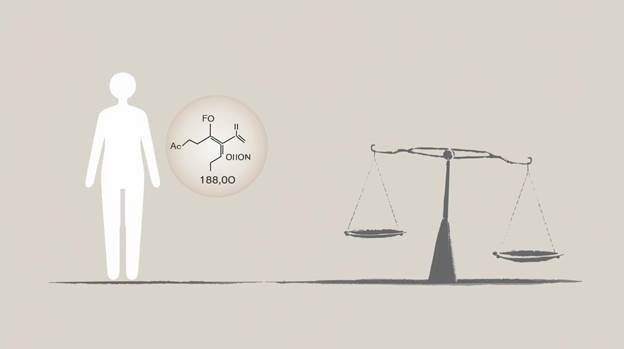
Estrogen dominance occurs when estrogen levels are too high relative to progesterone, even if estrogen itself is within the “normal” range. This imbalance disrupts the harmony between the two hormones and leads to a wide variety of symptoms.
Causes of Estrogen Dominance
Understanding what is estrogen dominance also involves looking at its root causes. Several lifestyle, dietary, and environmental factors can contribute:
- Chronic Stress: Stress raises cortisol levels, which can suppress progesterone production, leaving estrogen unopposed.
- Diet High in Processed Foods: Excess sugar, refined carbs, and unhealthy fats can increase estrogen levels and reduce the body’s ability to eliminate it.
- Environmental Toxins: Chemicals found in plastics, pesticides, and personal care products (xenoestrogens) mimic estrogen in the body.
- Poor Liver Function: The liver helps metabolize and remove excess estrogen. When liver function is sluggish, estrogen builds up.
- Obesity: Obesity raises estrogen levels due to the hormone production that occurs within fat cells.
- Hormonal Medications: Certain birth control methods or hormone therapies can disrupt the estrogen-progesterone balance.
These factors highlight why it is important not just to ask what is estrogen dominance, but also how daily choices may play a role in developing it.
Symptoms of Estrogen Dominance
When learning what is estrogen dominance, it’s equally important to recognize the symptoms. While they may vary from person to person, common signs include:
- Irregular or heavy periods
- PMS symptoms such as bloating, mood swings, and breast tenderness
- Weight gain, particularly around the hips and abdomen
- Fatigue and low energy
- Headaches or migraines
- Anxiety or depression
- Difficulty sleeping
- Decreased libido
If left unaddressed, estrogen dominance can also contribute to more serious conditions such as endometriosis, fibroids, infertility, and even an increased risk of certain cancers.
Diagnosing Estrogen Dominance
When asking what is estrogen dominance, many also wonder how it can be diagnosed. Doctors often use blood, saliva, or urine tests to measure estrogen and progesterone levels. More importantly, they look at the ratio between these two hormones rather than just the absolute numbers.
Since symptoms often overlap with other conditions, proper testing and consultation with a healthcare professional are crucial before starting any treatment.
Natural Ways to Address Estrogen Dominance
Once you understand what is estrogen dominance, the next step is learning how to manage it. Here are some natural approaches:
1. Improve Diet
- Eat more cruciferous vegetables such as broccoli, cauliflower, and kale, which support estrogen metabolism.
- Increase fiber intake to help eliminate excess hormones through digestion.
- Choose organic foods when possible to reduce exposure to pesticides and hormones.
2. Support Liver Health
The liver plays a big role in breaking down estrogen. Drink plenty of water, avoid excess alcohol, and eat foods rich in antioxidants like berries and leafy greens.
3. Manage Stress
Chronic stress lowers progesterone and worsens the estrogen-progesterone imbalance. Yoga, meditation, and deep breathing can help keep cortisol in check.
4. Reduce Exposure to Toxins
Switch to glass or stainless-steel containers, use natural cleaning and personal care products, and avoid unnecessary plastics to reduce xenoestrogen exposure.
5. Balance Weight
Maintaining a healthy weight lowers excess estrogen production from fat cells and helps restore hormonal balance.
6. Consider Supplements
Some women find support through supplements like magnesium, vitamin B6, and herbal remedies such as chasteberry. However, these should be taken under the guidance of a professional.
Why Understanding Estrogen Dominance Matters
Knowing what is estrogen dominance is more than just understanding a medical term it’s about recognizing how deeply hormones affect daily life. From mood to fertility and long-term health risks, this imbalance can disrupt multiple areas of well-being. By identifying the causes and making lifestyle changes, many women can improve their hormonal balance naturally.
Conclusion
So, what is estrogen dominance? It is a hormonal imbalance where estrogen outweighs progesterone, disrupting the delicate harmony needed for women’s health. This condition can lead to symptoms like weight gain, fatigue, mood swings, and menstrual irregularities, while also raising risks for more serious conditions.
The good news is that through diet, stress management, toxin reduction, and lifestyle adjustments, estrogen dominance can often be managed naturally. Understanding what is estrogen dominance empowers women to take charge of their health, seek professional guidance when necessary, and make informed decisions to restore balance and vitality.