
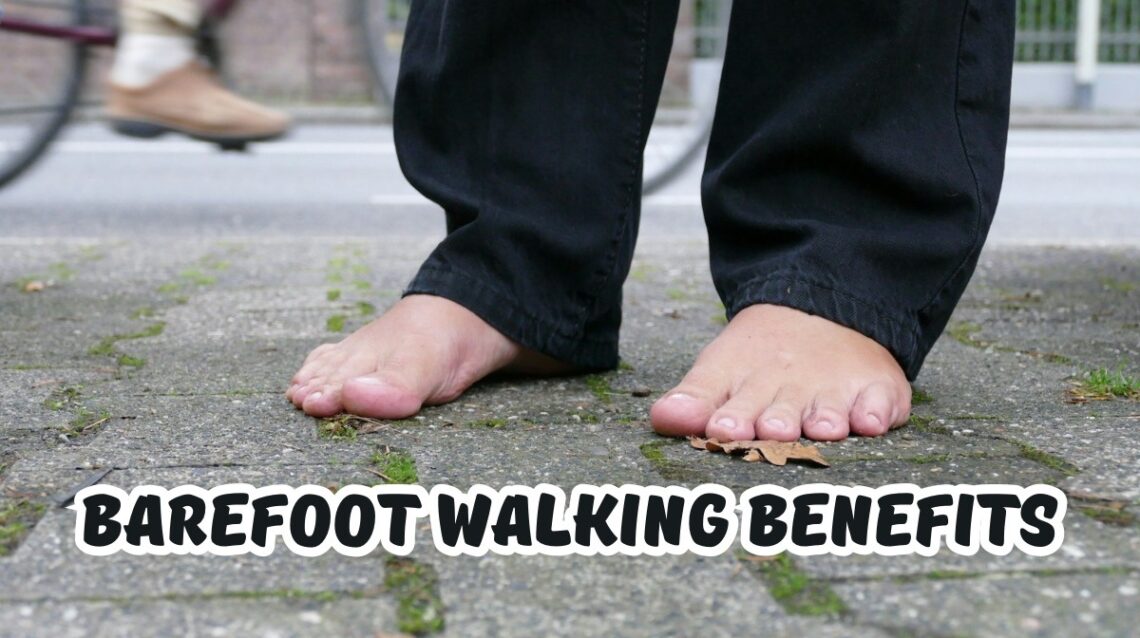
Have you ever felt the grass beneath your toes and wondered why it feels so refreshing? Barefoot walking benefits extend far beyond that simple pleasure, offering surprising advantages for your entire body. For thousands of years, humans walked without shoes, and our feet evolved to thrive in direct contact with the ground.
Today, modern footwear often weakens our natural foundation. This article explores how ditching your shoes can transform your foot health, enhance balance and stability, and strengthen muscles you never knew existed. We will examine the science behind grounding benefits, discuss how natural movement improves posture, and reveal why sensory feedback from walking shoeless matters more than you think.
What Is Barefoot Walking?
Barefoot walking, also known as earthing or grounding, refers to walking without shoes or with minimal footwear that allows your feet to move naturally. This practice reconnects your body with the ground, enabling your feet to function as nature intended.
Unlike conventional shoes that restrict movement, going shoeless allows your foot muscles to engage fully. Your toes spread naturally, your arches activate, and your entire lower body responds to the terrain beneath you.
The History Behind Walking Without Shoes
Humans spent over 99% of evolutionary history without modern footwear. Our ancestors relied on natural foot mechanics to hunt, gather, and travel across diverse landscapes. Shoes only became common in the last few centuries.
Ancient civilizations recognized the connection between bare feet and physical wellness. Today, science is confirming what our ancestors intuitively understood about barefoot walking benefits.
Why Does Going Shoeless Matter for Your Health?
Modern shoes often feature thick soles, elevated heels, and narrow toe boxes. These design elements alter your natural gait and weaken the intrinsic foot muscles over time.
When you experience barefoot walking benefits, you allow approximately 200,000 nerve endings in your feet to receive proper stimulation. This sensory input improves how your brain communicates with your lower body.
Connection to Overall Physical Function
Your feet provide the structural base that supports your entire body. Poor foot strength can lead to problems in your ankles, knees, hips, and even your spine. Walking shoeless addresses these issues at their source.
Key Benefits of Walking Barefoot
Understanding barefoot walking benefits helps you make informed decisions about your movement practices. Here are the primary advantages supported by research.
Improved Balance and Stability
Walking without shoes enhances your proprioception, which is your body’s ability to sense its position in space.
- Your feet receive direct feedback from the ground surface
- Small stabilizing muscles activate to maintain equilibrium
- Your brain develops better spatial awareness
- Fall risk decreases, especially in older adults
Stronger Foot and Leg Muscles
Conventional footwear does much of the work your muscles should perform. Going shoeless reverses this pattern.
- Arch muscles strengthen naturally without artificial support
- Toe flexibility increases significantly
- Calf and ankle muscles develop greater endurance
- Overall lower limb strength improves progressively
Better Posture and Gait Mechanics
Barefoot walking benefits extend upward through your entire skeletal system. Without elevated heels, your body naturally aligns itself.
- Your pelvis maintains a neutral position
- Spinal curves remain properly balanced
- Stride length optimizes automatically
- Joint stress reduces considerably
Enhanced Circulation and Nerve Function
Direct ground contact stimulates blood flow throughout your feet and legs. The thousands of nerve endings receive activation they typically miss inside shoes.
Challenges and Considerations
Despite the many barefoot walking benefits, this practice requires thoughtful implementation.
Potential Risks to Address
- Sharp objects can cause injuries on unprepared surfaces
- Extreme temperatures may harm unprotected feet
- Certain medical conditions require footwear protection
- Public spaces may have hygiene concerns
How to Transition Safely
Your feet need time to adapt after years of shoe dependency. Rushing this process invites injury.
- Start with just five to ten minutes daily indoors
- Gradually introduce outdoor surfaces like grass or sand
- Listen to your body and rest when muscles feel fatigued
- Consider minimalist footwear as a transitional option
Building Foot Resilience Over Time
Patience remains essential when developing foot conditioning. Most people require several months before their feet handle varied terrains comfortably.
Real World Examples and Applications
Many athletes now incorporate barefoot walking benefits into their training routines. Runners report fewer injuries after strengthening their feet naturally.
Physical therapists frequently recommend shoeless exercises for patients recovering from lower limb injuries. Yoga practitioners have long understood the value of grounding practices for both physical and mental wellness.
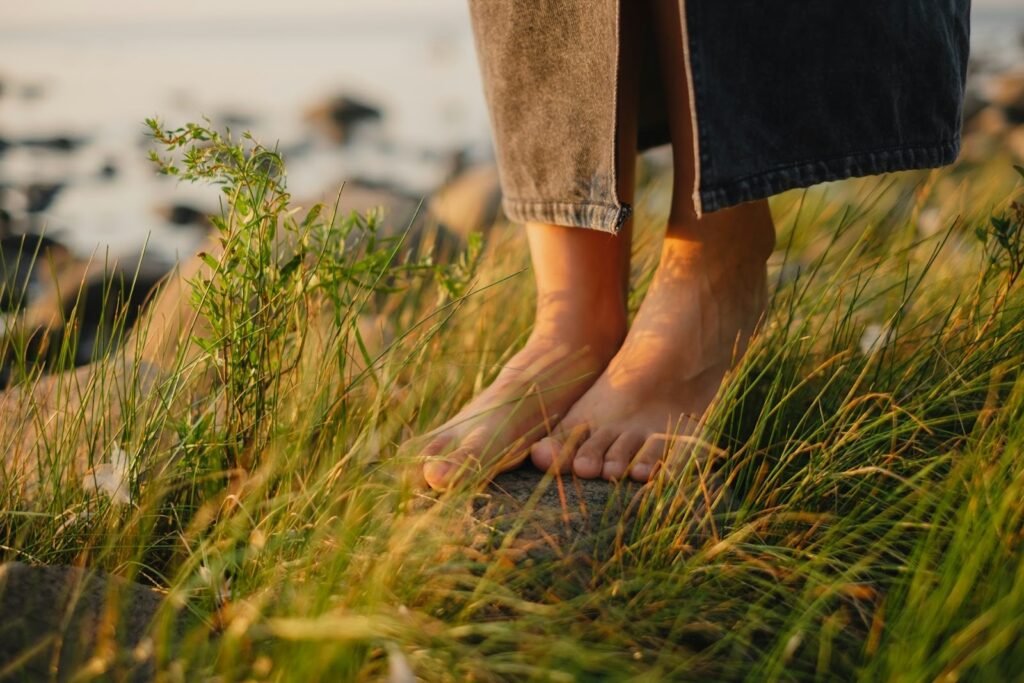
Parks, beaches, and backyard lawns offer perfect environments for experiencing these advantages yourself. Even walking barefoot at home provides meaningful benefits compared to wearing shoes constantly.
Conclusion
The barefoot walking benefits discussed throughout this article demonstrate how something simple can profoundly impact your wellbeing. From enhanced balance and stability to stronger foot muscles and improved posture, going shoeless offers advantages that modern footwear cannot replicate.
While transitioning requires patience and awareness of potential risks, the rewards justify the effort. Your feet evolved for direct ground contact, and honoring that design supports your entire body.
Start slowly, choose safe surfaces, and let your natural movement patterns return gradually. Embracing barefoot walking benefits could be the foundation your health has been missing all along.