
The revolutionary concept of a non restrictive diet is transforming how millions escape the exhausting cycle of deprivation, bingeing, and guilt that traditional dieting perpetuates endlessly. Rather than counting calories or eliminating food groups, this approach rebuilds healthy psychological connections with nourishment.
This comprehensive guide explores the fascinating psychology where non restrictive diet principles meet behavioral science through expert clinical perspectives. We examine how intuitive eating practices restore natural hunger recognition, why food freedom psychology matters for lasting change, and what mindful eating techniques deliver sustainable wellbeing results.
Whether you seek understanding hunger and satiety awareness development or implementing anti diet nutrition approaches for improved mental health, this exploration provides actionable guidance. Board certified eating disorder specialists confirm that a non restrictive diet represents the most psychologically sustainable path toward lasting food peace and body acceptance.
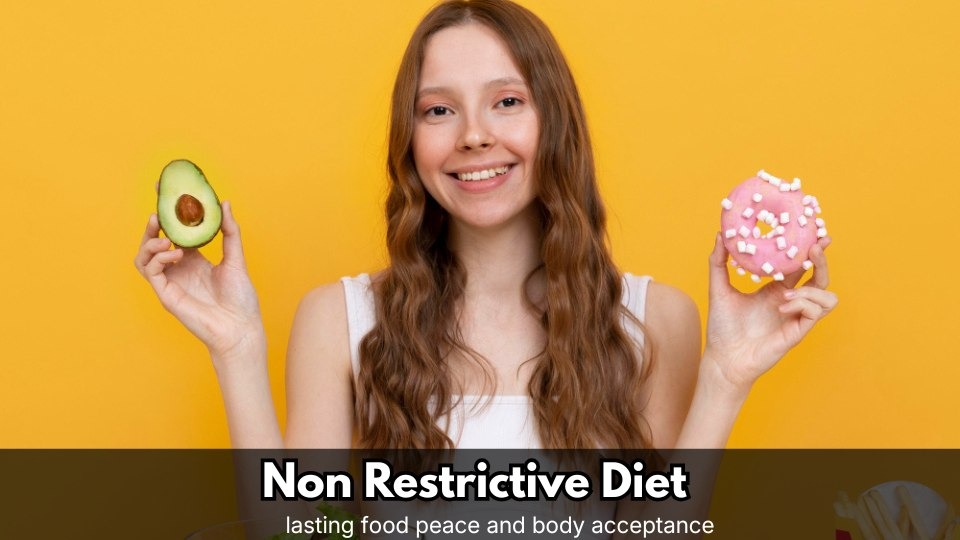
Understanding the Psychological Foundation of Food Freedom
A non restrictive diet represents a scientifically validated approach to nutrition that eliminates arbitrary food rules, caloric limitations, and guilt based eating patterns. This methodology prioritizes psychological wellbeing alongside physical health, recognizing that sustainable nutrition requires healthy mental relationships with food fundamentally.
Research published in the Journal of Eating Disorders demonstrates that restrictive dieting predicts weight gain and disordered eating development more consistently than any other factor. Understanding this connection transforms how practitioners approach lasting nutritional change beyond temporary compliance.
Core Principles Guiding This Approach
Intuitive eating practices form the foundation of non restrictive nutrition methodologies. Developed by registered dietitians Evelyn Tribole and Elyse Resch during 1995, this framework comprises ten principles guiding practitioners toward food peace naturally.
Food freedom psychology emphasizes unconditional permission to eat all foods without moral judgment attached. This permission paradoxically reduces overconsumption by eliminating the forbidden fruit phenomenon driving binge behaviors. Mindful eating techniques enhance awareness during consumption, increasing satisfaction while naturally moderating portions.
Historical Development From Diet Culture to Liberation
Traditional dieting dominated nutritional discourse throughout the twentieth century, promising thinness through willpower and restriction. Weight Watchers, Atkins, and countless programs cycled through popularity, each eventually revealing identical long term failure rates exceeding 95 percent.
The anti diet movement emerged during the 1990s as researchers documented the psychological and metabolic damage caused by chronic restriction. Healthcare professionals increasingly recognized that non restrictive diet approaches produced superior outcomes compared to traditional methods consistently.
The Scientific Rejection of Restriction
Landmark research including the Minnesota Starvation Experiment demonstrated that caloric restriction triggers predictable psychological responses including food obsession, binge eating, and metabolic adaptation. These biological survival mechanisms explain why willpower based dieting fails universally.
Hunger and satiety awareness becomes impaired through chronic dieting as external rules override internal signals progressively. A non restrictive diet rebuilds these innate regulatory systems that functioned perfectly before diet culture interference began.
Why Psychological Approaches Matter for Lasting Change
Traditional dieting addresses nutrition mechanistically while ignoring the psychological complexity governing human eating behaviors. Food freedom psychology recognizes that emotions, memories, social contexts, and beliefs influence consumption far more powerfully than nutritional knowledge alone.
A non restrictive diet succeeds because it addresses root causes of problematic eating rather than managing symptoms through willpower depletion. When psychological needs receive appropriate attention, food naturally assumes its proper role as nourishment rather than emotional coping mechanism.
Breaking the Restrict Binge Cycle
Chronic restriction creates psychological deprivation triggering eventual overconsumption regardless of willpower strength. This predictable cycle perpetuates itself indefinitely until restriction ceases completely.
- Initial restriction creates feelings of control and accomplishment temporarily boosting self esteem artificially
- Biological hunger signals intensify as bodies perceive famine conditions requiring survival responses activation
- Psychological deprivation increases food preoccupation and cravings for forbidden items specifically
- Inevitable consumption of restricted foods triggers guilt and perceived failure reinforcing negative self beliefs
- Recommitment to stricter restriction restarts the cycle with intensified determination destined for identical failure
Benefits Transforming Lives Beyond Weight Concerns
A non restrictive diet delivers remarkable advantages spanning mental health improvement, eating disorder prevention, sustainable body composition, and enhanced life quality simultaneously. These benefits emerge because the approach addresses fundamental psychological needs rather than superficial behavioral modification.
Intuitive eating practices correlate with lower depression rates, improved body image, and reduced anxiety according to numerous peer reviewed studies. Practitioners report experiencing food as pleasurable rather than stressful for the first time in decades.
Physical Health Improvements Without Obsession
Anti diet nutrition approaches produce stable body weights through metabolic healing rather than chronic suppression requiring constant vigilance. Bodies naturally regulate weight when psychological interference ceases and mindful eating techniques guide consumption.
Hunger and satiety awareness restoration enables automatic portion control without measurement or tracking requirements. When bodies trust consistent nourishment availability, survival driven overeating disappears naturally.

Challenges Requiring Patience and Support
Despite compelling evidence, implementing a non restrictive diet presents significant challenges for individuals deeply conditioned by diet culture messaging. Releasing control feels terrifying when restriction provided false security for years or decades.
Food freedom psychology warns that initial permission granting may temporarily increase consumption of previously forbidden foods. This habituation phase eventually passes as novelty diminishes and forbidden fruit appeal disappears completely.
Navigating Social Pressures and Misconceptions
Society continues promoting restrictive dieting despite scientific evidence demonstrating consistent failure. Practitioners face criticism from well meaning friends and family misunderstanding anti diet nutrition approaches as giving up on health.
- Workplace wellness programs frequently promote restrictive practices contradicting evidence based recommendations directly
- Social media algorithms amplify diet culture content creating constant exposure requiring conscious filtering
- Healthcare providers sometimes lack training in intuitive eating practices perpetuating outdated recommendations
- Family members may interpret food freedom psychology as irresponsible rather than scientifically supported
- Internal diet culture beliefs require ongoing examination and challenging throughout recovery processes
Practical Implementation Strategies for Success
A non restrictive diet succeeds through gradual principle integration rather than immediate perfection expectations. Beginning with curiosity toward current eating patterns establishes the foundation for meaningful transformation.
Mindful eating techniques start simply by eliminating distractions during meals. Turning off screens, sitting down, and actually tasting food increases satisfaction dramatically while naturally moderating consumption amounts.
Hunger and satiety awareness develops through regular body scanning practices. Checking hunger levels before eating and fullness during meals rebuilds connections and diet culture is severed systematically.
Intuitive eating practices emphasize satisfaction as an essential nutritional component. Choosing genuinely desired foods rather than virtuous alternatives prevents deprivation driven overconsumption later.
A non restrictive diet ultimately requires patience as psychological healing progresses gradually over months and years. Professional support from practitioners trained in food freedom psychology accelerates recovery while providing accountability during challenging phases.
Conclusion;
The transformative potential of a non restrictive diet offers remarkable opportunities for escaping diet culture cycles through psychologically sustainable approaches. Throughout this guide, we explored intuitive eating practices fundamentals, examined food freedom psychology principles, and highlighted mindful eating techniques delivering lasting peace with food.
From understanding hunger and satiety awareness restoration to implementing anti diet nutrition approaches for improved mental health, these evidence based strategies address root causes rather than managing symptoms temporarily. While challenges including social pressures demand patience, consistent implementation produces profound healing.
As non restrictive diet principles gain scientific validation, embracing food freedom represents the future of sustainable wellness. Your journey toward peaceful eating begins with releasing restrictions today.