
Eating for your hormone type is a targeted nutrition strategy that aligns your daily food choices with the specific hormonal imbalance behind your symptoms. That meal plan your coworker swears by? It might actually make your bloating, fatigue, or stubborn weight gain worse because her endocrine profile is nothing like yours.
The human body relies on more than 50 hormones to regulate metabolism, mood, energy, sleep, and reproduction. When even one of these chemical signals drifts out of its optimal range, generic dietary advice falls short. A 2024 narrative review published in Nutrients confirmed that identical dietary patterns trigger different hormonal responses based on gender, body fat distribution, and individual metabolic health.
This guide walks you through the major hormonal imbalance patterns, the specific foods that address each one, and step-by-step strategies grounded in clinical research.
Table of Contents

Why Generic Diets Fail for Hormonal Health
Standard nutrition advice treats every body as interchangeable. Clinical outcomes tell a different story entirely. One person thrives on a high-carb plant-based plate while the same meal sends another person’s blood sugar and insulin into a tailspin. A strict low-fat protocol strips away the cholesterol needed as raw material for estrogen, progesterone, and testosterone production.
The Institute for Functional Medicine highlights that dietary composition directly shifts levels and cellular sensitivity of cortisol, insulin, leptin, and GLP-1. A single food can soothe one person’s stress response while amplifying another person’s hormonal disruption.
Intermittent fasting is a perfect case study. Time-restricted eating lowers evening cortisol in certain populations. But for someone already running on depleted adrenal reserves, skipping breakfast can push morning cortisol even higher. Without identifying your dominant hormonal pattern first, you are guessing and guessing carries real consequences.
The Four Major Hormone Imbalance Types
Functional medicine practitioners classify hormonal dysfunction into four core patterns. Each one produces a distinct symptom fingerprint and responds best to a specific nutritional approach.
Cortisol-Dominant Type (Adrenal Imbalance)
Persistently high cortisol from chronic stress packs fat around the midsection, fractures sleep quality, and triggers relentless sugar cravings. The American Psychological Association reports that 77% of Americans regularly experience physical symptoms from stress, which makes this the most widespread hormonal pattern of all.
The DIRECT-PLUS clinical trial, published in Frontiers in Endocrinology, tracked 294 participants across three diet groups over 18 months. Both Mediterranean diet arms achieved statistically significant reductions in fasting morning cortisol compared to baseline and the polyphenol-rich green-Mediterranean group saw the steepest decline. These cortisol reductions occurred independent of weight loss, suggesting the diet composition itself drove the change.
A separate controlled trial at Wake Forest School of Medicine found that primates consuming a Mediterranean-style diet for 31 months (roughly equivalent to nine human years) showed lower cortisol responses to acute stress and faster recovery compared to those on a Western diet.
Foods That Support Cortisol Balance
Complex carbohydrates paired with protein at every meal form the backbone of this approach. Sweet potatoes, steel-cut oats, and quinoa deliver steady glucose without triggering cortisol surges. Wild-caught salmon and sardines supply omega-3 fatty acids that calm HPA-axis activation. Dark leafy greens like spinach and Swiss chard provide magnesium, a mineral directly involved in cortisol regulation.
Cut back on caffeine after noon and eliminate refined sugar, both of which overstimulate tired adrenal glands.
Estrogen-Dominant Type
Estrogen dominance describes a state where estrogen runs disproportionately high relative to progesterone. Heavy or painful periods, breast tenderness, water retention, mood swings, and stubborn fat around the hips and thighs are hallmark signs. This pattern affects both women and men in men, excess body fat converts testosterone into estrogen through aromatase activity.
A landmark study funded by the National Cancer Institute and published in PubMed demonstrated that indole-3-carbinol (I3C), a compound found in cruciferous vegetables, boosted estradiol 2-hydroxylation by roughly 50% in just seven days among 12 healthy volunteers. This metabolic shift moves estrogen processing toward safer breakdown products and supports the liver’s clearance capacity.
Additional research from Roswell Park Cancer Institute found that cruciferous vegetable intake was inversely associated with breast cancer risk in premenopausal women, likely due in part to favorable changes in estrogen metabolism.
Foods That Support Estrogen Balance
Broccoli, cauliflower, Brussels sprouts, and kale sit at the center of this protocol. These cruciferous vegetables contain glucosinolates that your gut converts into DIM (diindolylmethane), which promotes healthier estrogen metabolite ratios. Aim for one to two cups daily, lightly steamed to reduce digestive discomfort.
Add ground flaxseeds for their lignan content lignans are phytoestrogens that help modulate estrogen receptor activity. High-fiber foods like lentils, chickpeas, and whole grains bind to excess estrogen in the digestive tract and escort it out of the body.
Thyroid-Sluggish Type
An underperforming thyroid gland slows metabolism across the board. Fatigue that sleep cannot fix, thinning hair, cold hands and feet, dry skin, and unexplained weight gain are textbook symptoms. A 2024 review in Nutrients found that obesity itself alters thyroid function by raising TSH and T3 while creating cellular resistance to thyroid hormones a vicious cycle where poor nutrition worsens thyroid output and sluggish thyroid promotes further fat accumulation.
Foods That Support Thyroid Function
Three micronutrients are critical for thyroid hormone synthesis: iodine, selenium, and zinc. Seaweed, iodized salt, and cod supply iodine. Just two Brazil nuts per day deliver the full daily selenium requirement. Oysters, pumpkin seeds, and chickpeas cover zinc needs. Tyrosine, an amino acid abundant in eggs, fish, and poultry, serves as the structural backbone of thyroid hormones T3 and T4.
One important nuance: raw cruciferous vegetables contain goitrogens, compounds that can interfere with iodine uptake. Cooking breaks down most goitrogens, so steaming or roasting is a simple fix. Moderate cooked portions (one to two servings daily) do not impair thyroid function in people with adequate iodine intake.
Insulin-Resistant Type
Insulin resistance develops when cells stop responding efficiently to insulin, forcing the pancreas to produce progressively larger amounts. Elevated blood sugar, intense carbohydrate cravings, belly fat that will not budge, and energy crashes 60 to 90 minutes after eating are the defining symptoms. The CDC estimates that more than 96 million American adults meet the criteria for prediabetes, and the majority remain undiagnosed.
Foods That Support Insulin Sensitivity
Pair every carbohydrate source with protein or healthy fat to slow glucose absorption. Swap refined grains for legumes black beans, lentils, and chickpeas have significantly lower glycemic indices and high soluble fiber content. Multiple studies confirm that a tablespoon of apple cider vinegar before a meal modestly improves post-meal glucose levels.
Cinnamon, blueberries, and fatty fish (salmon, mackerel) also support insulin receptor sensitivity. Eliminate sugary drinks completely, as liquid sugar produces the fastest and steepest insulin spikes of any food source.
How to Identify Your Dominant Hormone Pattern
A symptom self-check can point you toward the right pattern, but bloodwork confirms it. Most people carry one dominant imbalance, though overlap is common. Cortisol and insulin dysfunction frequently coexist, and thyroid problems often travel with estrogen imbalance.
Symptom-to-Type Matching Table
| Symptom | Cortisol | Estrogen | Thyroid | Insulin |
| Belly fat accumulation | Yes | Yes | ||
| Hip and thigh fat storage | Yes | |||
| Generalized weight gain | Yes | Yes | ||
| Fatigue despite adequate sleep | Yes | Yes | ||
| Sugar and carb cravings | Yes | Yes | ||
| Heavy or irregular periods | Yes | Yes | ||
| Cold hands and feet | Yes | |||
| Mood swings or anxiety | Yes | Yes | ||
| Acne or skin breakouts | Yes | Yes | ||
| Energy crashes after meals | Yes | |||
| Brain fog | Yes | Yes | Yes | |
| Low libido | Yes | Yes |
Recommended Lab Tests for Confirmation
Request a full hormone panel from your healthcare provider. Essential markers include fasting cortisol (ideally a morning draw between 7 and 9 AM), fasting insulin with HOMA-IR calculation, a full thyroid panel (TSH, free T3, free T4, and TPO antibodies), estradiol, progesterone, and DHEA-S.
For deeper metabolite data especially around estrogen and cortisol pathways a DUTCH test (Dried Urine Test for Comprehensive Hormones) offers a more granular picture than standard blood panels.
Building a Hormone-Supportive Meal Framework
Before layering in type-specific foods, certain nutritional principles support the entire endocrine system. These form the foundation regardless of which hormone pattern dominates.
The Non-Negotiable Basics
- Protein at every meal. Target 25 to 35 grams per sitting. Protein provides the amino acid building blocks for hormone synthesis and prevents the blood sugar swings that strain the adrenals and pancreas simultaneously.
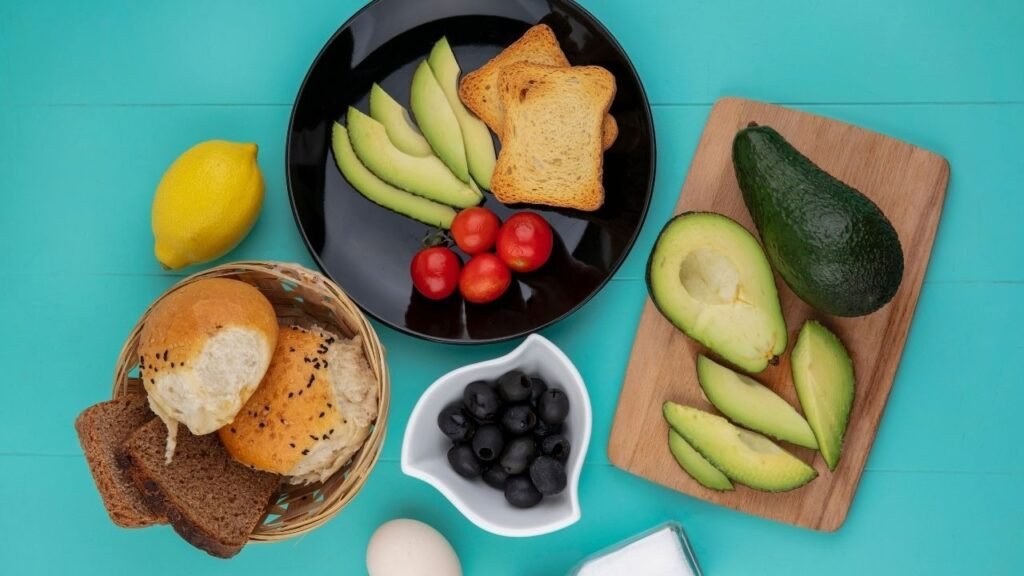
- Healthy fats daily. Cholesterol from eggs, avocados, extra virgin olive oil, and wild-caught fish is the precursor molecule for every steroid hormone your body produces cortisol, estrogen, progesterone, testosterone, and DHEA.
- Fiber from whole food sources. A minimum of 25 grams per day supports estrogen elimination through the gut, feeds beneficial bacteria that manufacture GLP-1 and regulate leptin, and buffers blood sugar response after meals.
- Consistent meal timing. Erratic eating patterns stress the HPA axis. Consuming meals within a regular daily window helps calibrate your cortisol circadian rhythm and improves insulin sensitivity over time.
- Anti-inflammatory foods as a default. Chronic low-grade inflammation disrupts hormone signaling at the receptor level. The Mediterranean dietary pattern rich in polyphenols, omega-3 fats, and diverse plant pigments consistently outperforms other patterns for reducing inflammatory markers tied to hormonal dysfunction.
Foods That Undermine Hormonal Health
Certain categories actively work against hormonal balance across all types. Processed seed oils high in omega-6 fatty acids promote inflammation that blocks hormone receptors. Excess alcohol overloads the liver and slows estrogen clearance. Artificial sweeteners may alter gut bacteria populations involved in hormone metabolism.
Ultra-processed foods combine refined sugar, damaged fats, and synthetic additives into combinations that simultaneously spike insulin, elevate cortisol, and impair thyroid conversion.
The Gut Microbiome Connection to Hormonal Balance
Your gut bacteria play a far larger role in hormone regulation than most people realize. A specialized collection of microbes called the estrobolome produces an enzyme (beta-glucuronidase) that directly influences how much estrogen gets recycled back into the bloodstream versus eliminated through stool. An unhealthy gut microbiome can reactivate estrogen that the liver already packaged for removal, contributing to estrogen dominance even in people who eat well otherwise.
Research published in PMC describes how dietary fiber is fermented by gut bacteria into short-chain fatty acids (SCFAs) primarily acetate, propionate, and butyrate. These SCFAs bind to free fatty acid receptors on L-cells in the intestinal lining, stimulating the release of GLP-1, a hormone that improves insulin sensitivity and promotes satiety. Propionate and acetate also activate receptors on fat cells that increase leptin production, further supporting metabolic balance.
How to Support Your Gut for Better Hormones
A diverse, fiber-rich diet that includes fermented foods (yogurt, kefir, sauerkraut, kimchi) nourishes the microbial populations responsible for keeping hormones in check. Antibiotic overuse, chronic stress, and ultra-processed diets all damage these populations.
Sample Daily Meal Plans for Each Hormone Type
These sample days are practical starting points, not rigid prescriptions. Adjust portions based on your body size, activity level, and individual response.
Cortisol Type Sample Day
Breakfast: Steel-cut oatmeal topped with walnuts, blueberries, and a scoop of collagen protein.
Lunch: Grilled wild salmon over mixed greens with avocado, olive oil drizzle, and roasted sweet potato wedges.
Snack: A handful of raw almonds with a small banana.
Dinner: Chicken and vegetable stir-fry with brown rice, broccoli, and bell peppers. Wind down with chamomile or ashwagandha tea.
Estrogen Type Sample Day
Breakfast: Scrambled pastured eggs with sauteed kale and a tablespoon of ground flaxseed.
Lunch: Red lentil soup alongside roasted cauliflower and Brussels sprouts.
Snack: Apple slices with almond butter.
Dinner: Baked cod with steamed broccoli, quinoa, and a lemon-tahini drizzle.
Thyroid Type Sample Day
Breakfast: Two eggs topped with seaweed flakes and half an avocado on sourdough toast.
Lunch: Turkey and root vegetable stew with chickpeas and turmeric.
Snack: Two Brazil nuts plus a small handful of pumpkin seeds.
Dinner: Grilled shrimp with roasted sweet potato, steamed asparagus, and extra virgin olive oil.
Insulin Type Sample Day
Breakfast: Full-fat Greek yogurt with chia seeds, a pinch of cinnamon, and a small portion of mixed berries.
Lunch: Grilled chicken breast over baby spinach, black beans, cherry tomatoes, cucumber, and olive oil vinaigrette.
Snack: Celery sticks with hummus.
Dinner: Grass-fed beef and vegetable stir-fry with zucchini noodles, shiitake mushrooms, and garlic.
PCOS, Hormonal Weight Gain, and Why Your Diet Type Matters Even More
Polycystic ovary syndrome (PCOS) affects roughly 8 to 13% of reproductive-age women worldwide, according to the World Health Organization. PCOS sits at the intersection of insulin resistance, elevated androgens, and often estrogen imbalance meaning it rarely fits neatly into a single hormone type.
Combining Diet Strategies for PCOS
Most women with PCOS benefit from combining insulin-type dietary strategies (low glycemic meals, paired macronutrients, eliminated liquid sugars) with estrogen-type principles (cruciferous vegetables, high fiber, liver-supportive foods). A 2023 meta-analysis in Frontiers in Endocrinology found that Mediterranean-style eating patterns improved insulin sensitivity markers, reduced androgens, and restored more regular menstrual cycles in PCOS populations compared to standard low-calorie diets.
Why Calorie Cutting Alone Backfires
Hormonal weight gain whether driven by cortisol belly fat, thyroid-related metabolic slowdown, or insulin-driven fat storage responds poorly to simple caloric restriction. Cutting calories without addressing the underlying hormonal driver often increases cortisol further, worsens thyroid conversion, and triggers rebound binge eating.
Matching your diet to your hormone type breaks this cycle by targeting the root cause rather than the symptom.
Common Mistakes That Sabotage Hormonal Recovery
Relying on Social Media for Diagnosis
Self-diagnosing from social media is the single biggest pitfall. A 60-second video cannot replace bloodwork. Misidentifying your dominant pattern means applying the wrong dietary protocol, and wrong protocols often make symptoms worse. A person with low thyroid function who jumps into aggressive intermittent fasting may further suppress an already slow metabolism.
Expecting Overnight Results
Hormonal systems require two to three full menstrual cycles roughly 60 to 90 days before dietary changes produce measurable shifts on lab panels. Switching protocols every two weeks never allows enough time for recalibration.
Ignoring Sleep, Stress, and Movement
Cortisol, insulin, thyroid hormones, and reproductive hormones all respond powerfully to sleep quality, physical activity patterns, and psychological stress load. No food can compensate for chronic five-hour sleep nights or unrelenting workplace pressure.
When to Seek Professional Help
Dietary changes alone cannot resolve every hormonal imbalance. If you have followed a targeted approach consistently for 90 days without meaningful improvement, consult an endocrinologist or board-certified functional medicine practitioner. Conditions including Hashimoto’s thyroiditis, PCOS, Cushing’s syndrome, adrenal insufficiency, and type 2 diabetes require medical management alongside nutritional support.
Eating for your hormone type delivers the strongest results as one pillar within a broader strategy that also includes quality sleep, stress management tools, regular movement, and professional guidance when the situation demands it.
How long before a hormone-specific diet produces noticeable changes?
Most people report subtle energy and mood improvements within two to three weeks. Measurable shifts on blood panels typically take 60 to 90 days of consistent dietary changes. Hormonal rebalancing is gradual, so consistency matters far more than perfection.
Can men benefit from hormone-type nutrition?
Yes. Men experience cortisol imbalances, insulin resistance, thyroid dysfunction, and estrogen dominance (commonly linked to excess body fat converting testosterone to estrogen via aromatase). The same targeted nutritional principles apply, though macronutrient quantities and caloric needs typically differ.
Is it common to have more than one hormonal imbalance simultaneously?
Very common. Chronic elevated cortisol frequently drives insulin resistance over time, and thyroid dysfunction often coexists with estrogen dominance. A full hormone panel helps identify all active patterns so you can address the primary driver while supporting secondary imbalances.
Do I need supplements in addition to a hormone-supportive diet?
Whole foods should always form the foundation. Targeted supplements magnesium glycinate for cortisol, selenium for thyroid, DIM for estrogen metabolism, or berberine for insulin sensitivity can accelerate progress under practitioner guidance. Avoid self-prescribing hormone-influencing supplements without lab testing first.
Are cruciferous vegetables safe for people with thyroid conditions?
For most people, yes. Cooking cruciferous vegetables breaks down the majority of goitrogens (compounds that can interfere with iodine absorption). One to two cooked servings daily does not impair thyroid function in individuals with adequate iodine status. The concern applies mainly to consuming very large quantities of raw cruciferous juice over extended periods.
What is the best lab test to determine my hormone type?
A blood panel covering fasting insulin, morning cortisol, full thyroid markers (TSH, free T3, free T4, TPO antibodies), estradiol, progesterone, and DHEA-S provides a solid baseline. For more detailed metabolite data particularly around estrogen clearance and cortisol rhythm the DUTCH test offers a deeper view than standard blood draws.
Does gut health affect hormonal balance?
Significantly. The estrobolome a subset of gut bacteria directly controls how much estrogen your body recycles versus eliminates. Additionally, gut microbes ferment dietary fiber into short-chain fatty acids that influence insulin, leptin, and GLP-1 signaling. A fiber-rich diet with fermented foods supports the microbial populations that keep hormones regulated.