

Hormones play a crucial role in regulating almost every function of the human body, from metabolism and energy to mood, reproductive health, and sleep. When hormones are imbalanced, individuals may experience fatigue, mood swings, irregular periods, weight changes, or even long-term health complications. While medical treatment is sometimes necessary, one of the most effective natural approaches is focusing on the right food for hormonal balance. By choosing nutrient-rich meals, it is possible to support the endocrine system, regulate hormone production, and restore overall wellness.
Why Food for Hormonal Balance Matters
The body’s endocrine system relies on nutrients to produce, regulate, and balance hormones. Without the proper food for hormonal balance, individuals are more likely to experience imbalances that can affect reproductive health, metabolism, mood, and immunity. Instead of relying solely on supplements or medication, including whole, nutrient-dense foods in daily meals helps address hormonal health naturally and sustainably.
Key Nutrients in Food for Hormonal Balance
Certain nutrients are particularly beneficial for maintaining hormonal stability. When selecting food for hormonal balance, it is important to focus on:
- Healthy Fats
Omega-3 fatty acids and monounsaturated fats found in fish, nuts, seeds, and olive oil are critical for hormone production. Healthy fats help reduce inflammation and support reproductive and thyroid hormones. - Protein
Adequate protein intake helps regulate appetite-controlling hormones like ghrelin and leptin. Sources such as lean meat, eggs, beans, and tofu are excellent food for hormonal balance. - Fiber
High-fiber foods like whole grains, vegetables, and legumes help manage blood sugar and insulin levels, which directly impact hormone health. - Micronutrients
Zinc, magnesium, vitamin D, and B vitamins are all essential for optimal hormone function. Incorporating diverse foods ensures these needs are met.
Best Food for Hormonal Balance
If you’re looking to restore hormonal health naturally, here are some of the best categories of food for hormonal balance:
1. Leafy Greens
Spinach, kale, and Swiss chard provide iron, magnesium, and antioxidants that reduce oxidative stress and support estrogen balance.
2. Fatty Fish
Salmon, mackerel, and sardines are excellent food for hormonal balance because they contain omega-3 fatty acids that regulate stress hormones and support reproductive health.
3. Nuts and Seeds
Flaxseeds, chia seeds, almonds, and walnuts are rich in plant-based omega-3s and phytoestrogens, making them highly beneficial for balancing estrogen levels.
4. Whole Grains
Brown rice, oats, and quinoa provide steady energy and regulate blood sugar, which prevents insulin-related hormonal imbalances.
5. Fermented Foods
Yogurt, kefir, sauerkraut, and kimchi improve gut health. A healthy gut microbiome is essential for regulating hormones like cortisol and estrogen.
6. Cruciferous Vegetables
Broccoli, cauliflower, and Brussels sprouts are powerful food for hormonal balance because they contain compounds that help the body metabolize estrogen more efficiently.
7. Avocados
Rich in healthy fats, avocados promote hormone production, stabilize cortisol, and improve reproductive health.
Foods to Avoid for Hormonal Health
Just as some foods support hormones, others can disrupt balance. Limiting these foods is just as important as eating the right food for hormonal balance:
- Processed sugars – Cause insulin spikes and worsen hormonal imbalance.
- Refined carbs – White bread and pastries can lead to blood sugar instability.
- Excess caffeine – Raises cortisol levels and disrupts sleep-related hormones.
- Highly processed foods – Contain additives and unhealthy fats that interfere with natural hormone production.
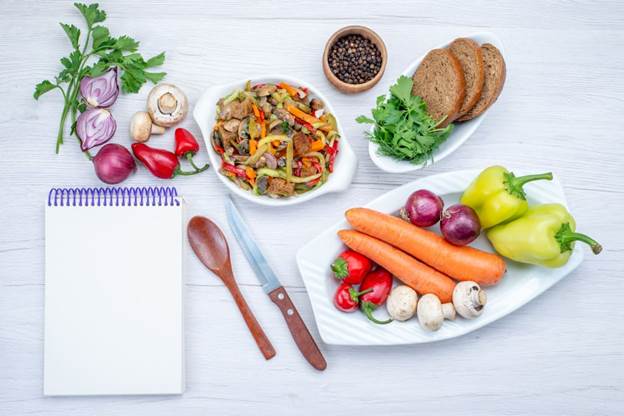
Lifestyle and Food for Hormonal Balance
Food alone cannot resolve all hormonal issues, but when combined with a healthy lifestyle, the results can be significant. Along with eating the right food for hormonal balance, individuals should:
- Get regular physical activity to improve insulin sensitivity.
- Practice stress management techniques like yoga or meditation to reduce cortisol.
- Prioritize sleep, as poor rest disrupts melatonin and cortisol levels.
- Stay hydrated to support nutrient absorption and hormone transport.
By combining these habits with a diet rich in food for hormonal balance, long-term wellness can be achieved.
Food for Hormonal Balance and Women’s Health
For women, hormonal fluctuations are especially important during puberty, menstruation, pregnancy, and menopause. Choosing the right food for hormonal balance can ease symptoms such as PMS, irregular cycles, or menopausal discomfort. For example, phytoestrogen-rich foods like soy and flaxseed can help regulate estrogen, while magnesium-rich foods can reduce cramps and mood swings.
Food for Hormonal Balance and Men’s Health
Men also benefit greatly from focusing on food for hormonal balance. Testosterone levels, which naturally decline with age, can be supported through zinc-rich foods like pumpkin seeds, lean meat, and legumes. Omega-3 fatty acids and vitamin D also promote better reproductive and overall hormonal health in men.
Conclusion
Hormonal imbalances can affect every aspect of life, from energy levels and mood to reproductive health and metabolism. Fortunately, nature provides the tools to restore balance through diet. By prioritizing nutrient-dense, whole food for hormonal balance, individuals can regulate hormones naturally, reduce symptoms of imbalance, and promote long-term well-being.
Making mindful dietary choices, reducing processed foods, and combining good nutrition with a healthy lifestyle ensures that the endocrine system functions smoothly. Whether it’s leafy greens, fatty fish, seeds, or fermented foods, every meal is an opportunity to nourish the body. Investing in the right food for hormonal balance is not only a step toward healing but also a path to lasting vitality and wellness.