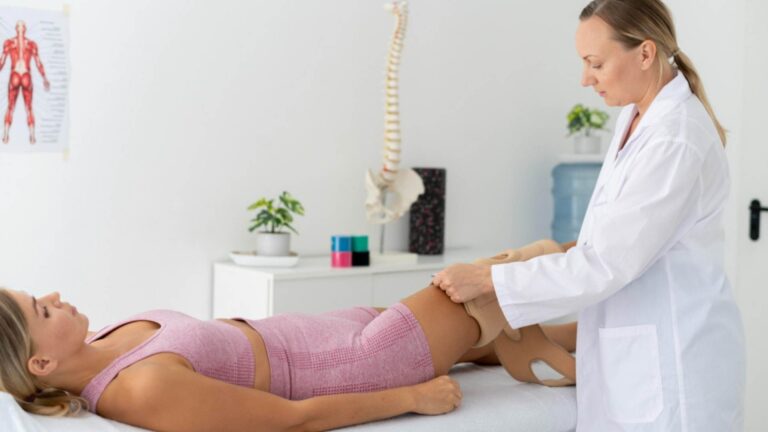
The period pain simulator has turned one of the most private human experiences into a public moment viewed by millions. Partners, roommates, colleagues, and even practicing gynaecologists have strapped on electrode pads and discovered that monthly menstrual cramps are not a figure of speech. This guide explains what the device actually does, what peer-reviewed research says about the pain it recreates, and why its effect on empathy keeps growing across classrooms, workplaces, and living rooms worldwide.
Table of Contents
What Is a Period Pain Simulator?
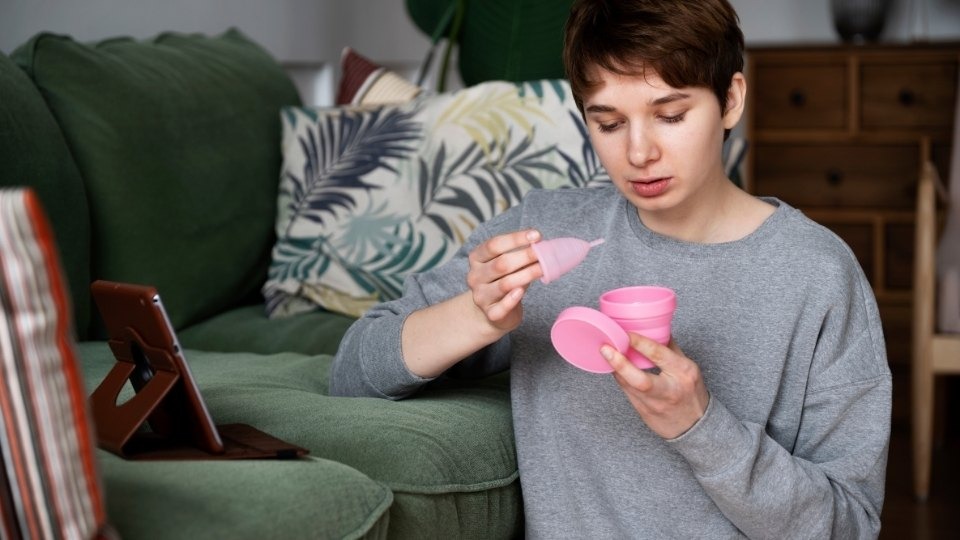
A period pain is a small electronic unit that reproduces the muscular tightening of menstrual cramps by sending low-voltage electrical pulses through adhesive pads placed on the lower abdomen. The underlying hardware is borrowed from transcutaneous electrical nerve stimulation commonly shortened to TENS a method long used in physiotherapy and athletic recovery.
The reversal is straightforward. Rather than dampening pain signals, a menstrual cramp simulator intentionally generates them. Typical units offer between 10 and 19 adjustable intensity settings, letting users move from a faint flutter to a doubled-over ache within seconds. Regulators do not classify it as a medical treatment. Its job is awareness, classroom demonstration, and empathy not diagnosis or relief.
How Does the Device Work?
Real menstrual cramps begin when prostaglandins hormone-like signalling molecules trigger the uterus to contract sharply enough to shed its lining. A 2009 Cochrane systematic review describes how that contracting uterus briefly loses oxygen and transmits pain signals up the spinal cord, where the brain registers them as cramps.
A period cramp simulator imitates the final loop from outside the body. Electrodes sit just below the navel, slightly above the pubic bone, mirroring where monthly cramps usually radiate most intensely. When the dial moves up, controlled pulses force the abdominal muscle layer to squeeze involuntarily, and the brain reads the signal the same way it reads a genuine cramp.
The imitation is not complete. Nothing replaces the hormonal dip, the digestive upset, the radiating lower-back ache, or the fatigue that accompany real menstruation. Even so, the surface-level cramp the unit produces has left practicing gynaecologists visibly shaken on camera proof of how accurately its muscular mimicry lands.
Why Menstrual Pain Deserves Serious Attention
Menstrual pain is anything but uncommon. A 2025 paper in Women & Health cites dysmenorrhea prevalence estimates between roughly 45% and 95%, a spread that reflects reporting inconsistencies as much as biological variation. Research published in the Journal of Pain Research places the figure closer to 84% among young women, with around a third missing school or social activities as a direct result.
The more unsettling number is how that pain is handled once reported. According to Harvard Health Publishing, clinicians routinely minimise women’s pain, and the article references a 2023 Journal of Experimental Social Psychology study that identified a measurable “gender-pain exaggeration bias” in observers. An eClinicalMedicine perspective in The Lancet reports that in a UK Women’s Health Strategy call-for-evidence survey of over 110,000 women, half said their pain had been disregarded often dismissed as something simply “expected” of their bodies.
This is the wall that a pain simulator physically dismantles. A friend, partner, or clinician who has never menstruated can no longer file level-7 cramps under “overreacting” after feeling them first-hand. For readers wanting a foundation on healthy cycles, HealthBays covers the essentials in its menstrual cycle health guide.
How the Device Went Viral on TikTok
Without short-form video, the simulator would have stayed a niche physiotherapy curiosity. The Canadian menstrual-wellness brand Somedays which tours its activation at festivals and corporate events reports that clips featuring its device have exceeded a billion TikTok views. The number sounds exaggerated until you watch the footage: a grown adult bargaining with an abdominal cramp is not content viewers scroll past.
The arc barely varies. A confident volunteer steps up. A woman casually sets her own level to seven or eight. Three of the volunteer’s friends then watch him collapse before reaching the same number. The comment section fills with viewers writing “and that’s without the nausea, the back pain, and the mood crash.”
What Men Actually Report Feeling
Reactions follow a surprisingly consistent script. Newsweek covered creator Paris Kinsey strapping his friends to a menstrual pain simulator inside a quiet public library, where within minutes the group was laughing, wincing, and voicing new respect for the women in their lives. Kinsey himself described the pain as sharp cramps that intensified the longer the unit stayed attached.
What a 30-second clip rarely captures is the psychological weight. A real period isn’t a five-minute controlled burst it’s 48 to 72 hours of that sensation layered with bleeding, brain fog, disturbed sleep, and social pressure to keep functioning normally. The simulator delivers one page of a much longer story.
Period Pain Simulator vs TENS Machine: Side-by-Side
Both units share nearly identical hardware yet pursue opposite goals. A TENS machine is engineered to dull menstrual cramps; a period pain simulator is engineered to reproduce them.
| Feature | Period Pain Simulator | TENS Machine (for relief) |
| Primary purpose | Produce cramp-like pain | Reduce cramp pain |
| Common setting | Demos, classrooms, activations | Home use during dysmenorrhea |
| Intensity range | 10–19 levels, aimed at discomfort | Adjustable, aimed at comfort |
| Pulse pattern | Muscle-contracting bursts | Nerve-gating high/low frequency |
| Regulatory status | Not a medical device | FDA-cleared for pain relief |
| Session length | 30 seconds – 5 minutes | 20–60 minutes |
A Somedays TikTok comparison walks through how the same hardware can feel therapeutic or torturous depending on pulse programming and pad placement.
Benefits Beyond the Viral Moment
Empathy is the benefit most people name, but several outcomes sit behind that label. Public activations push menstrual health into school curricula, workplace policies, and national conversations around menstrual leave and healthcare equity.
For people who menstruate, there is validation a partner flinching at level four after years of dismissive comments carries weight that sentences rarely match. For people who don’t, there’s a belief update. HealthyWomen cites a 2019 survey in which 45% of respondents felt healthcare providers weren’t taking their pain seriously. One household conversation won’t close that gap, but it moves things forward.
Medical schools, physiotherapy programmes, and awareness organisations now incorporate the menstrual cramp simulator during training so future clinicians can feel what a “seven out of ten” actually costs a patient.
Limitations You Should Know
A period pain simulator does one thing well and everything else poorly. It reproduces the muscular layer of menstrual pain, and that’s the entire extent of its range.
The unit cannot imitate the luteal-phase hormonal crash, the migraines some users experience, the digestive disruption, the pelvic heaviness, or the compounding toll of chronic conditions. Endometriosis, adenomyosis, fibroids, and premenstrual dysphoric disorder involve pain mechanisms it cannot approach. For readers managing PCOS specifically, diet plays a role no device can substitute. HealthBays explores this in its guide to seeds for PCOS.
The session is also short and entirely elective. A volunteer can stop the demo at level six. A person with primary dysmenorrhea has no such option during a three-day bleed, repeating every month, for years.
Using the Device Safely at Home
If you plan to try one at home, a few basics protect your skin and the realism of the experience:
- Review the product manual for contraindications pacemakers, pregnancy, epilepsy, and cardiac conditions are standard exclusions.
- Place pads on clean, dry skin on the lower abdomen or lower back only, never on the chest, neck, head, or broken skin.
- Start at the lowest setting and increase gradually; jumping several levels at once is painful without being instructive.
- Cap each session at roughly 20 to 30 minutes to avoid skin irritation under the adhesive, as echoed in general TENS safety guidance from KentDO.
- Remove the pads immediately if you notice burning, dizziness, or nausea tingling is expected, sharp discomfort beyond the cramp itself is not.
For condition-specific coverage on cramps, irregular cycles, and related symptoms, browse the HealthBays symptom guides.
Conclusion
A period simulator is a blunt, odd-looking contraption that has nudged a conversation medicine, schools, and families struggled to move for decades. It heals nothing, diagnoses nothing, and cannot replicate the full monthly arc of menstruation. What it does, with surprising accuracy, is close the gap between hearing about menstrual pain and physically believing it.
If this guide helped you, share it with someone still sceptical about trying the device, drop a comment with your own reaction, and explore the full HealthBays women’s health hub for science-based coverage of cycles, cramps, and hormonal balance. Every cycle story counts and the more widely they are understood, the less alone anyone has to feel while managing them.
Does a period cramp simulator hurt like a real period?
It hurts, but the mimicry isn’t perfect. The abdominal clamping it produces lands close to a real cramp, yet the device cannot generate the hormonal dip, back pain, headaches, nausea, or fatigue that typically accompany menstruation. Most users describe it as a realistic slice of the physical layer, not the full cycle experience.
Is it safe for men to use a period pain simulator?
For most healthy adults, short supervised sessions at moderate intensity are considered safe. Anyone with a pacemaker, cardiac condition, epilepsy, or highly sensitive skin should avoid it or consult a clinician first. Sessions should stay below 20 to 30 minutes, with pads placed only on the abdomen or lower back never near the chest, neck, or head.
Can the device treat menstrual cramps?
No the unit is designed to create cramp-like sensations, not relieve them. For actual relief, a standard TENS machine set to a steady low frequency may help some users, and a Cochrane review found modest evidence that high-frequency TENS can reduce period pain. Speak with a healthcare provider before relying on any device.
Where can I buy a menstrual pain simulator?
Consumer TENS-style units are commonly priced between roughly 30 and 100 US dollars across online retailers and speciality wellness brands. The Somedays simulator behind the viral TikTok moment is not sold directly it travels to events, workplace activations, and awareness tours rather than appearing on retail shelves.
Why do men react so strongly on TikTok?
Most reactions are unfiltered rather than staged. Viewers forget that abdominal muscles forced into contraction are strong enough to dominate an adult’s posture. Combine that with the surprise of feeling a familiar body part being wrung out, and the theatrics emerge naturally.
Do gynaecologists endorse the device?
Clinicians generally treat it as an awareness tool rather than a clinical intervention. Research supports therapeutic TENS for period pain relief, but draws a clear line between that and empathy demonstrations. Anyone facing severe, worsening, or unusual menstrual pain should consult a healthcare provider before experimenting with any abdominal device.