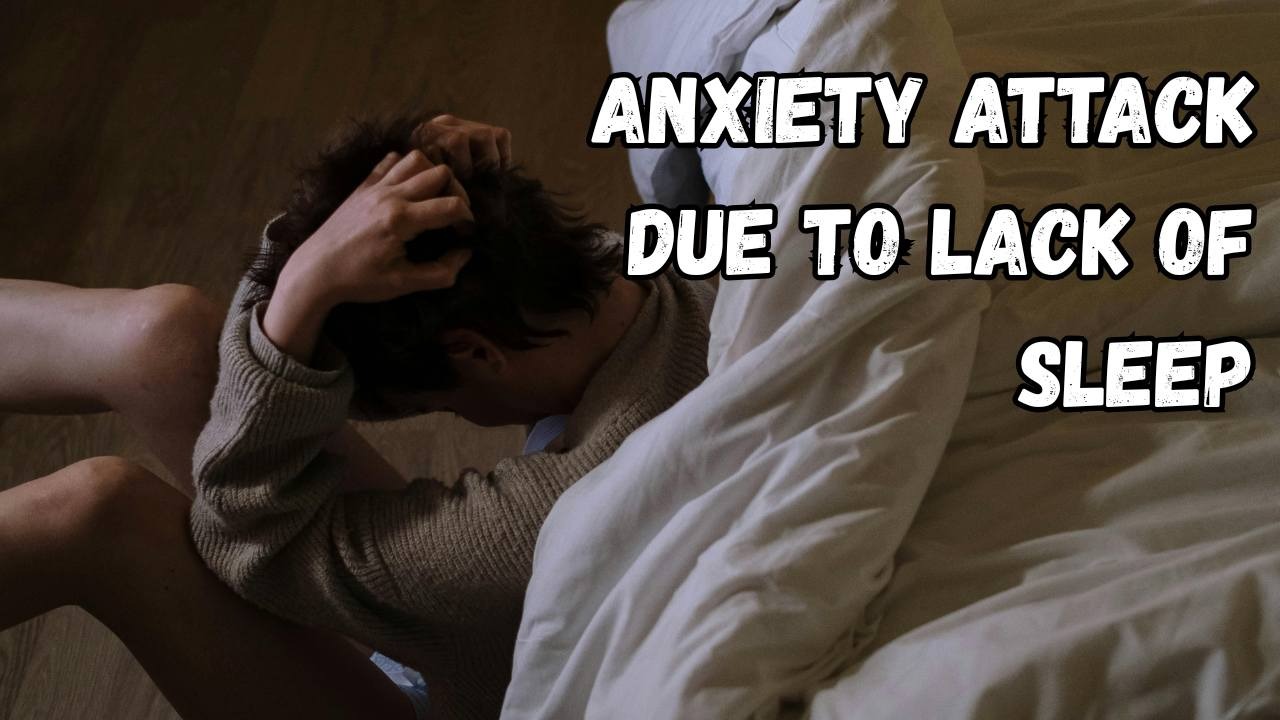
An anxiety attack due to lack of sleep can feel sudden, overwhelming, and deeply frightening, especially when exhaustion takes over both mind and body. When sleep is consistently disrupted, the brain struggles to regulate emotions, making stress responses stronger and harder to control. Over time, this imbalance can increase sensitivity to fear, tension, and panic-like symptoms.
This article explores the strong connection between poor sleep and heightened anxiety, helping you understand why rest plays such a critical role in emotional stability. You’ll learn how sleep deprivation, panic symptoms, mental exhaustion, stress hormones, and emotional regulation interact to influence your well-being. By recognizing these links early, it becomes easier to take proactive steps toward healthier sleep habits and improved mental clarity. Understanding this relationship is the first step toward breaking the cycle and restoring a calmer, more balanced state of mind.
Understanding Anxiety Attack Due to Lack of Sleep
An anxiety attack due to lack of sleep occurs when prolonged or repeated sleep loss disrupts the brain’s ability to manage stress and emotions. Sleep is essential for restoring neural balance, processing emotions, and calming the nervous system. When rest is insufficient, the body remains in a constant state of alertness, increasing vulnerability to intense anxiety responses. Over time, this condition can interfere with daily functioning, emotional stability, and overall mental health. Recognizing how sleep deprivation fuels anxiety is the first step toward prevention and recovery.
The Science Behind Sleep and Anxiety
How Sleep Regulates Emotional Balance
Sleep plays a vital role in emotional processing and mental resilience. During deep sleep stages, the brain regulates stress hormones, stabilizes mood, and restores cognitive clarity. Without enough rest, emotional regulation weakens, making minor stressors feel overwhelming. This imbalance significantly raises the risk of an anxiety attack due to lack of sleep, especially in individuals already prone to worry or overthinking.
Impact of Sleep Deprivation on the Brain
Chronic sleep deprivation affects the amygdala, the brain’s fear center, causing heightened emotional reactions. At the same time, the prefrontal cortex struggles to rationalize these responses. This disconnect explains why people experience racing thoughts, panic sensations, and loss of control during anxiety episodes linked to poor sleep.
Common Symptoms and Warning Signs
Physical Symptoms
When sleep loss accumulates, the body reacts physically before mental symptoms fully emerge. Common signs include rapid heartbeat, shallow breathing, muscle tension, and dizziness. These sensations often intensify during an anxiety attack due to lack of sleep, making the experience feel sudden and alarming.
Emotional and Cognitive Symptoms
Emotional exhaustion leads to irritability, fear, and difficulty concentrating. Many individuals report mental exhaustion, intrusive thoughts, and heightened sensitivity to stress. These symptoms can reinforce anxiety patterns, creating a cycle that is difficult to break without addressing sleep quality.
Why This Condition Matters for Mental Health
Short Term Effects on Daily Life
In the short term, sleep related anxiety disrupts productivity, decision making, and interpersonal relationships. Individuals may avoid responsibilities or social interactions due to fear of triggering another episode. An anxiety attack due to lack of sleep can reduce confidence and increase dependence on unhealthy coping mechanisms.
Long Term Mental Health Risks
If left unmanaged, chronic sleep related anxiety may contribute to long term conditions such as generalized anxiety disorder or depression. Persistent emotional regulation issues can lower overall quality of life and make recovery more challenging. Prioritizing sleep is crucial for long term mental well being.
Key Triggers That Increase Risk
Lifestyle and Environmental Factors
Certain habits and environments significantly increase vulnerability to anxiety caused by sleep loss.
1.Excessive screen time before bed
2.Irregular sleep schedules
3.High caffeine intake
4.Chronic work related stress
5.Lack of a calming bedtime routine
Addressing these factors can reduce the frequency of an anxiety attack due to lack of sleep and support healthier sleep patterns.
How the Anxiety Sleep Cycle Works
Step by Step Breakdown
Understanding the cycle helps explain why symptoms persist.
1.Poor sleep reduces emotional resilience
2.Stress responses become exaggerated
3.Anxiety symptoms increase during the day
4.Fear of symptoms disrupts sleep further
5.The cycle repeats and intensifies
Breaking this loop requires intentional changes in both sleep habits and stress management strategies.

Practical Tips to Reduce Sleep Related Anxiety
Improving Sleep Quality Naturally
Simple adjustments can make a meaningful difference in preventing an anxiety attack due to lack of sleep. Establishing consistent bedtimes, creating a calming sleep environment, and limiting stimulants are effective starting points. Practices that support mental health awareness and relaxation can help the nervous system reset.
Supporting Emotional Stability
Incorporating mindfulness, light physical activity, and structured routines strengthens emotional balance. These strategies help lower panic symptoms and improve stress tolerance. Seeking professional guidance can also provide personalized tools for managing anxiety and improving sleep quality.
Final Thoughts and Recommendations
An anxiety attack due to lack of sleep is not a sign of weakness but a signal that the mind and body need restoration. By understanding the connection between rest and emotional health, individuals can take proactive steps to protect their well being. Prioritizing sleep, reducing stressors, and building healthy routines are essential for preventing recurring anxiety episodes and maintaining long term mental clarity.
Conclusion
Sleep and emotional health are deeply connected, and ignoring rest can quietly intensify anxiety symptoms. An anxiety attack due to lack of sleep often develops when the brain loses its ability to regulate stress, emotions, and fear responses. As discussed, sleep deprivation, mental exhaustion, panic symptoms, and poor emotional regulation all contribute to this cycle. By improving sleep quality, managing stressors, and adopting healthier routines, individuals can protect their mental health and reduce anxiety episodes. Prioritizing rest is not optional it is essential for long term emotional balance and well being.