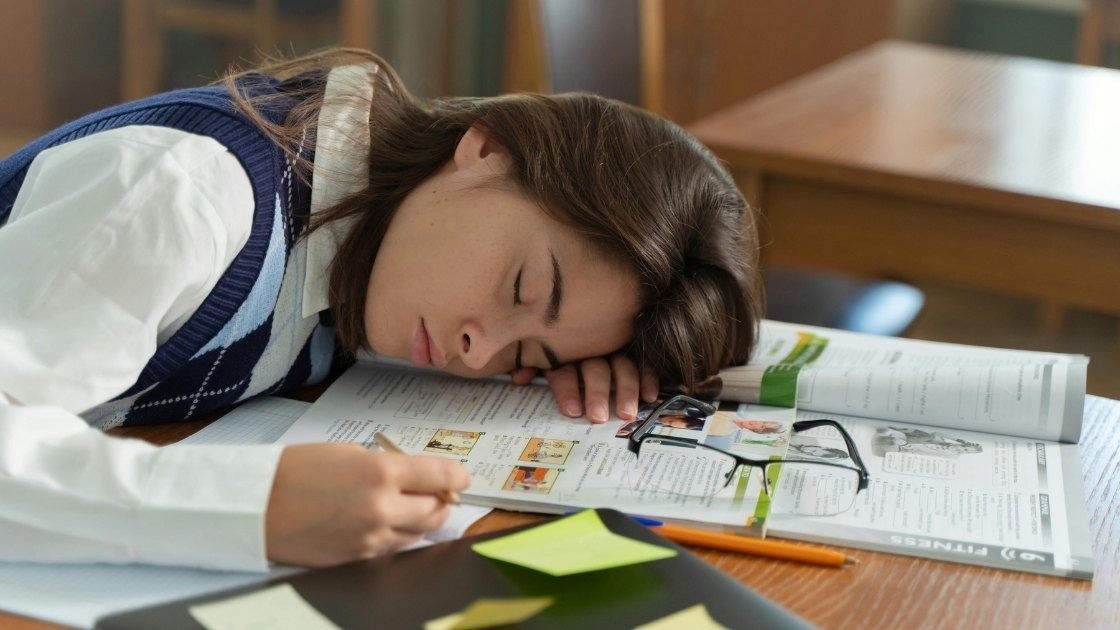
Pulling a two-day all-nighter feels survivable at first, but the no sleep for 48 hours effects quietly push the brain into territory that sleep clinicians describe as extreme sleep deprivation. Reaction time falls below legal driving standards. Mood flips without warning. Short involuntary blackouts called microsleeps start hijacking focus for seconds at a time, often without the person realizing.
Most people shrug off two sleepless days as an inconvenience they can caffeine their way through. Biology disagrees. By the 48-hour mark, hormone regulation is off balance, immune cells are dropping, and judgment is measurably impaired in controlled laboratory settings.
This guide walks through the hour-by-hour breakdown, what happens inside the brain and body, and how to recover without making the damage worse.
Table of Contents
What Happens to Your Body After 48 Hours Without Sleep
Two full nights without rest are classified in clinical sleep medicine as extreme sleep deprivation. At this stage, the central nervous system stops behaving like a rested organ and shifts into survival mode, prioritizing basic wakefulness over accuracy, memory, and emotional regulation.
Sleep is when the brain runs essential maintenance. Synaptic pruning, toxin clearance, memory consolidation, and neurotransmitter rebalancing all take place during deep stages you never reach while awake. Skip two nights, and every one of those systems stalls.
According to the landmark 1997 study by Drew Dawson and Kathryn Reid published in the journal Nature, staying awake for roughly 24 hours degrades cognitive performance to levels equivalent to a blood alcohol concentration near 0.10 percent, which exceeds the legal driving limit across every U.S. state. Stretch wakefulness to two days, and impairment becomes genuinely hazardous.
The body compensates by flooding the system with cortisol and adrenaline. That reaction keeps you functional on the surface, but it damages sleep architecture the moment you finally rest. For a broader look at daily routines that protect cognitive function over time, our guide on good habits for your brain explains the science behind long-term brain health.
The Hour-by-Hour 48-Hour Sleep Deprivation Timeline
Symptoms do not appear all at once. They accumulate in clear stages, each more disruptive than the last. Understanding this progression helps explain why no sleep for 48 hours effects feel manageable early on and severe later.
Between hours zero and twenty-four, patience thins and attention narrows. Reaction time slows noticeably, small errors creep into detail-heavy work, and appetite intensifies. Cortisol climbs to keep the system alert, and caffeine still masks most symptoms convincingly.
From hour twenty-four to thirty-six, speech slows and memory becomes unreliable. Coordination drops, emotional regulation weakens, and around the thirty-hour mark the brain begins fighting hard to shut the body down. This stage is when many shift workers report their worst mistakes on the job.
Between thirty-six and forty-two hours, microsleeps arrive. These involuntary three-to-fifteen second blackouts occur even with the eyes open, and the person rarely registers that they happened. Hunger spikes, body temperature fluctuates, and decision making becomes genuinely risky.
From hour forty-two through forty-eight, visual distortions, mild hallucinations, and depersonalization grow common. Many people describe a deceptive second wind driven by adrenaline rather than recovery. By the full forty-eight hour mark, immune function has measurably dropped, cognition is dangerously impaired, and the drive to sleep becomes nearly impossible to override.
How Your Brain Reacts to Two Sleepless Nights
The brain absorbs the earliest and heaviest damage. The prefrontal cortex, which governs planning, impulse control, and rational decision making, loses substantial metabolic activity inside the first day and deteriorates further in the second. At the same time, the amygdala (the brain’s emotional alarm center) becomes hyperreactive. You feel threats more intensely while analyzing them less clearly.
Memory takes a major hit. The hippocampus cannot properly encode new experiences without slow wave sleep, so information absorbed during these two days often fails to stick. Many people cannot recall entire conversations from their second sleepless night, even though those conversations felt lucid in the moment.
Perceptual glitches escalate as sensory gating mechanisms weaken. Brief shadows in peripheral vision, mild visual shimmering, or fleeting auditory distortions are commonly reported near the forty-eight hour mark. To understand how the brain generates these perceptual errors under extreme stress, our explainer on hallucination vs delusion breaks down the key neurological differences.
Waste Clearance Stalls When You Skip Deep Sleep
During deep non-REM sleep, cerebrospinal fluid circulates through a waste clearance network called the glymphatic system, flushing out neurotoxic proteins including beta amyloid. When the brain stays awake for two straight days, this cleaning cycle never runs. According to the National Heart, Lung, and Blood Institute, chronic sleep loss is linked to elevated long-term risk of cognitive decline driven by exactly this kind of protein accumulation.
The Physical Toll of 48 Hours Without Sleep
The no sleep for 48 hours effects reach far beyond mental fog. Cardiovascular, immune, and endocrine systems all take measurable hits inside this window.
Heart rate variability drops, which means the autonomic nervous system loses flexibility in switching between rest and alert states. Resting heart rate rises, blood pressure trends upward, and the same stress response the body activates during genuine danger remains locked on for two full days.
Immunity weakens quickly. A 1999 study by Ozturk and colleagues, published in Sleep Research Online, tracked immune markers in healthy volunteers during 48 hours of sleep deprivation. The researchers found that the proportion of natural killer cells dropped during the sleep loss window and only returned to baseline after recovery sleep. In plain terms, the body’s first line of defense against viruses genuinely weakens.
The main physical consequences documented across sleep research include the following:
- Elevated cortisol and adrenaline that disrupt blood sugar regulation
- Suppressed natural killer cell activity that weakens early immune defense
- Reduced growth hormone secretion, which normally peaks during deep sleep
- Raised resting heart rate and reduced heart rate variability
- Impaired insulin sensitivity, producing sugar cravings and metabolic strain
- Increased systemic inflammation from prolonged sympathetic nervous system activation
If you feel physically drained long after a sleepless stretch, the crash resembles the depletion we describe in our guide on black fatigue, where depleted reserves meet unresolved stress.
The Mental Health Fallout of Two Sleepless Days
Among the clearest no sleep for 48 hours effects, mood is no longer something a person controls at this stage. The amygdala’s threat response runs loud while the prefrontal cortex, which normally moderates emotional output, loses the capacity to override it.
Irritability becomes constant. Anxiety spikes faster and lingers longer. Mild paranoia, depersonalization, and time distortion are frequently reported in sleep laboratory studies. Some people describe watching themselves from outside their body, a dreamlike detachment that usually fades within hours of recovery sleep.
Hallucinations at this stage are usually brief and visual. They are not a marker of mental illness. They signal a temporary collapse of the brain’s regulatory capacity and resolve once sleep returns. Cortisol-driven anxiety in particular mirrors the stress response explored in our piece on how walking lowers cortisol, a recovery practice many clinicians recommend after acute sleep loss.
Why Microsleeps Are the Most Dangerous Symptom
Microsleeps are the hidden hazard of staying awake 48 hours. These involuntary three-to-fifteen second lapses drop the brain into sleep while the body continues operating, often without any conscious awareness afterward.
Behind the wheel, that window is catastrophic. The National Safety Council reports that an estimated 6,400 Americans die each year in crashes involving drowsy driving. Centers for Disease Control and Prevention surveillance data published in the 2011 Morbidity and Mortality Weekly Report found that roughly one in twenty-five adult drivers admitted falling asleep at the wheel within the previous month.
The most dangerous driver is the one who feels fine. That self-assessment failure is exactly why the no sleep for 48 hours effects qualify as a public health concern rather than a private inconvenience.
How to Recover From 48 Hours of Sleep Deprivation
Recovery is not a single long nap. It is a structured rebuild that usually takes three to four consecutive nights of uninterrupted rest before cognition fully returns to baseline.
The first recovery night should land at your normal bedtime rather than an off-schedule crash. Sleeping at the wrong hour tends to scramble the circadian rhythm for days afterward. The brain will naturally prioritize slow wave sleep on this first night, clearing deep-sleep deficits before anything else.
Nights two and three usually feature a REM rebound. Expect unusually vivid dreams, lighter morning grogginess, and longer REM cycles. This pattern is normal and reflects the brain catching up on emotional and procedural memory processing that was skipped.
Hydrate steadily, eat simple balanced meals, and cut caffeine after early afternoon. Avoid alcohol for at least 48 hours, since it suppresses the REM rebound the nervous system needs to fully reset. Light movement supports parasympathetic recovery. For readers who regularly deal with post-stress anxiety, our guide to walking for anxiety relief explains the neurological reasons a short walk helps reset the stress response.
Skip driving and high-stakes decisions for at least 24 hours after your first recovery night. Residual impairment often lingers even when a person subjectively feels fine.

When the No Sleep for 48 Hours Effects Need Medical Attention
Most people recover fully within a week. A few warning signs, however, deserve professional evaluation rather than another attempt at DIY rest.
Seek medical care if hallucinations persist after a full night of recovery sleep, if heart rate remains abnormally high, if you experience chest pain or severe disorientation, or if you cannot fall asleep despite genuine exhaustion. Ongoing insomnia following acute sleep loss can signal an underlying condition such as anxiety disorder, depression, obstructive sleep apnea, or delayed sleep phase disorder.
Shift workers, medical residents, new parents, and students who regularly push close to the forty-eight hour mark carry the highest long-term risk. Cumulative sleep debt produces many of the same neurological changes as acute deprivation, spread over weeks rather than hours. For context on when extreme fatigue crosses into diagnosable territory, the articles in our mind and body category cover related conditions and evidence-based strategies.
Conclusion
The no sleep for 48 hours effects are not simply uncomfortable. They represent measurable shifts in brain chemistry, cardiovascular output, immune defense, and emotional stability. Microsleeps create real physical danger. Hallucinations and paranoia signal temporary neural dysregulation. Hormones designed to keep the system balanced flip into overdrive and remain there until rest returns.
The encouraging part is that acute damage from a single forty-eight hour stretch reverses with proper recovery. Three to four nights of uninterrupted sleep, combined with reduced caffeine and gentle activity, usually restore baseline function. Chronic sleep debt from repeated short nights, however, is a separate and more serious problem that deserves dedicated attention.
If this guide clarified what your body goes through during extreme sleep deprivation, share it with someone who needs it: a shift worker, a caregiver, a student in finals week. Better still, start guarding your sleep tonight. Your future mornings will be noticeably sharper for it. Leave a comment below with the recovery strategies that worked best for you.
Can you die from 48 hours without sleep?
Direct death from a single forty-eight hour sleepless stretch is extremely rare in healthy adults. The genuine danger is indirect, primarily through microsleep-related vehicle crashes and impaired decision making. People with existing cardiovascular conditions face added risk from sustained cortisol elevation, which is why medical supervision makes sense for anyone managing chronic health concerns.
How long does recovery take after two sleepless nights?
Most adults need three to four consecutive nights of unbroken high-quality sleep to return to baseline cognitive performance. The first night usually restores slow wave deep sleep, while later nights handle REM rebound. Physical markers like heart rate variability and immune function may take slightly longer to fully normalize.
Is 48 hours without sleep worse than being drunk?
In measurable ways, yes. According to the 1997 Dawson and Reid study in Nature, cognitive performance after approximately 24 hours awake parallels a blood alcohol concentration around 0.10 percent, which sits above the legal driving limit in all U.S. states. Extending wakefulness to 48 hours deepens that impairment while adding hallucinations and mood volatility that alcohol alone does not produce.
Why can’t I fall asleep after being awake for two days?
Paradoxical insomnia following extended wakefulness is driven by elevated cortisol and adrenaline, which keep the nervous system in a hyperaroused state. Lingering caffeine, sleep anxiety, or missing the natural circadian sleep window can all contribute. A dark, cool room with no screens usually allows the system to finally power down within an hour or two.
Do hallucinations after two days no sleep mean I have a mental illness?
Brief visual or auditory hallucinations following two sleepless days are a well-documented physiological response, not a psychiatric symptom. They reflect a temporary failure of sensory gating and typically clear within hours of recovery sleep. Persistent hallucinations that continue after proper rest, however, warrant evaluation by a qualified healthcare professional.
Does caffeine help during 48 hours without sleep?
Caffeine temporarily blocks adenosine receptors and masks fatigue for a few hours, but it does not reverse the underlying cognitive impairment. Relying on coffee to push beyond the thirty-six hour mark often backfires by amplifying the eventual crash and delaying the recovery sleep the body genuinely needs.