Ayurveda therapy is one of the oldest systems of natural medicine in existence, with roots stretching back more than 5,000 years to the Indian subcontinent. In an era defined by chronic stress, processed diets, and sedentary lifestyles, millions of people worldwide are turning to this ancient healing science for answers that modern medicine alone cannot always provide.
Unlike quick-fix treatments that mask symptoms, this holistic approach works by identifying the root cause of imbalance within each individual. It weaves together herbal medicine, dietary guidance, detoxification rituals, bodywork, yoga, and meditation into a unified framework for lasting wellness.
The global Ayurveda market was valued at approximately USD 20.4 billion in 2025 and is projected to surpass USD 85 billion by 2033, growing at nearly 20% annually. That rapid expansion reflects a worldwide shift toward preventive, plant-based, and personalized healthcare.
Table of Contents
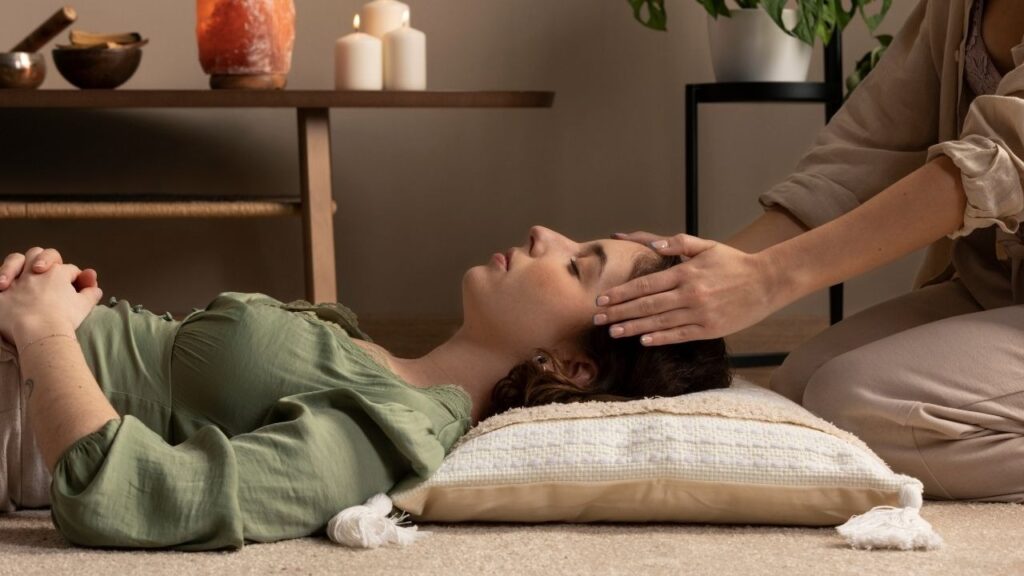
What Makes This Healing System Unique
Most conventional treatments focus on the disease. Ayurvedic medicine focuses on the person.
At its core, this system recognizes that every individual carries a unique constitution known as Prakriti. Your Prakriti is determined at birth and shaped by three biological energies called doshas: Vata, Pitta, and Kapha. When these energies remain in harmony, health flourishes. When they fall out of balance, disease takes hold.
This individualized philosophy is what separates Ayurvedic healing from one-size-fits-all protocols. Two patients with the same condition may receive entirely different treatment plans based on their dominant dosha, digestive strength, mental temperament, and lifestyle habits.
Understanding the Three Doshas
Vata: The Energy of Movement
Vata governs all motion in the body, including breathing, circulation, nerve impulses, and muscle contraction. People with a dominant Vata constitution tend to be creative, energetic, and quick-thinking. When Vata becomes excessive, they may experience anxiety, insomnia, dry skin, and irregular digestion.
Pitta: The Energy of Transformation
Pitta controls metabolism, digestion, and body temperature. Pitta-dominant individuals are typically sharp, ambitious, and goal-oriented. An imbalanced Pitta often manifests as inflammation, acid reflux, skin rashes, or irritability.
Kapha: The Energy of Structure
Kapha provides stability, lubrication, and immune strength. Those with a Kapha-dominant constitution are usually calm, patient, and physically strong. Excess Kapha, however, can lead to weight gain, lethargy, sinus congestion, and emotional attachment.
Understanding your dosha type is the first step in any Ayurvedic healing journey. Many practitioners use a combination of pulse diagnosis (Nadi Pariksha), tongue examination, and detailed lifestyle questionnaires to determine your constitutional profile.
Core Principles That Guide Ayurvedic Treatment
Four foundational ideas shape every aspect of this healing system.
Individualized care stands at the top. No two people receive identical prescriptions. Treatment plans are built around your unique dosha composition, age, season, geographic location, and emotional state.
Mind-body integration is equally central. Ayurvedic practitioners consider mental health inseparable from physical health. Anxiety, grief, or unresolved anger are treated with the same seriousness as a digestive disorder or joint pain.
Prevention over cure defines the long-term philosophy. Daily routines (Dinacharya), seasonal cleansing (Ritucharya), and dietary discipline are designed to prevent disease before it develops not merely respond to it after the fact.
Natural and sustainable remedies form the treatment toolkit. Herbs, minerals, oils, foods, and lifestyle modifications replace synthetic drugs whenever possible, minimizing side effects and supporting the body’s innate healing capacity.
Proven Health Benefits Backed by Growing Evidence
Stress and Anxiety Relief
Ayurvedic practices such as Shirodhara (warm oil poured over the forehead), Abhyanga (full-body oil massage), and Pranayama (controlled breathing) are specifically designed to calm the nervous system. A 2022 study published in the Journal of Ayurveda and Integrative Medicine found that participants who followed Ayurvedic stress-management protocols showed significant reductions in cortisol levels compared to control groups.
Ashwagandha, one of the most widely studied Ayurvedic herbs, has demonstrated clinically meaningful effects on reducing stress and improving sleep quality across multiple randomized controlled trials.
Deep Detoxification Through Panchakarma
Panchakarma is the signature detoxification program within this healing tradition. It consists of five purification procedures Vamana (therapeutic emesis), Virechana (purgation), Basti (medicated enema), Nasya (nasal administration), and Raktamokshana (bloodletting) each targeting specific toxins and tissue systems.
A typical Panchakarma program lasts 7 to 21 days and is administered under strict clinical supervision. Patients frequently report improved energy, clearer skin, better digestion, and sharper mental clarity following a full course of treatment.
Digestive Health and Metabolic Balance
Ayurvedic medicine places enormous emphasis on Agni digestive fire. Weak Agni is considered the origin of most diseases because poorly digested food creates Ama (toxic residue) that accumulates in tissues and channels.
Common Ayurvedic strategies for strengthening digestion include drinking warm water throughout the day, using digestive spices like ginger, cumin, and fennel, eating the largest meal at midday when digestive capacity peaks, and avoiding cold or incompatible food combinations.
Immune System Strengthening
Rasayana (rejuvenation therapy) is a specialized branch of Ayurvedic medicine focused on building long-term immunity and slowing biological aging. Key Rasayana herbs include Amalaki (Indian gooseberry), Guduchi (Tinospora cordifolia), and Tulsi (holy basil).
India’s Ministry of AYUSH actively promoted these formulations during the global health crisis of 2020–2021, and clinical investigations continue to validate the immunomodulatory properties of several traditional preparations.
Chronic Disease Management
People living with arthritis, type 2 diabetes, hypertension, skin disorders, and autoimmune conditions increasingly seek Ayurvedic support as a complement to conventional care. The system’s emphasis on reducing inflammation, improving circulation, and balancing metabolic function makes it particularly relevant for lifestyle-driven chronic diseases.
Traditional Practices and Treatments You Should Know
- Abhyanga (Herbal Oil Massage): Warm medicated oils are massaged into the entire body to nourish tissues, ease muscle tension, improve lymphatic drainage, and calm the mind. Different oils are selected based on dosha type and season.
- Shirodhara: A continuous, rhythmic stream of warm herbal oil is poured across the forehead for 30 to 60 minutes, producing a deeply meditative state. It is especially effective for insomnia, migraines, and anxiety disorders.
- Panchakarma Detox: The five-procedure cleansing program described above remains the gold standard for deep purification within this tradition.
- Herbal Formulations: Preparations using ashwagandha, turmeric, triphala, brahmi, and shatavari are prescribed for conditions ranging from cognitive decline to hormonal imbalance.
- Yoga and Pranayama Integration: Specific yoga postures and breathing exercises are prescribed alongside herbal treatments to accelerate healing and maintain long-term balance.

Who Should Consider Ayurvedic Healing
This system is remarkably inclusive. It benefits people across all age groups and health conditions from children dealing with recurring respiratory infections to older adults managing degenerative joint disease.
However, it holds particular value for individuals experiencing chronic stress and burnout, persistent digestive complaints, autoimmune and inflammatory conditions, hormonal imbalances and reproductive health concerns, sleep disorders, and lifestyle-related metabolic problems such as obesity or prediabetes.
Because treatments are tailored to each individual’s constitution, even people with complex or overlapping conditions can receive a personalized protocol that addresses their specific needs without the risk of conflicting prescriptions.
Global Recognition and Modern Integration
The World Health Organization took a landmark step in its 2025 update to the International Classification of Diseases (ICD-11) by introducing a dedicated module for traditional medicine, formally recognizing Ayurveda, Siddha, and Unani within the global health framework. This update enables healthcare providers worldwide to use dual coding for both traditional and conventional diagnoses.
Wellness tourism is another powerful growth driver. Countries like India, Sri Lanka, and Thailand now host world-class Ayurvedic retreat centers that attract hundreds of thousands of international visitors each year. Kerala alone generates an estimated USD 300 million annually from Ayurvedic wellness tourism.
Leading hospitals and integrative medicine clinics in the United States, Germany, and the United Kingdom are incorporating Ayurvedic consultations into their service offerings a trend that reflects the growing demand for evidence-informed, patient-centered, and holistic care models.
Simple Daily Practices You Can Start at Home
You do not need to visit a clinical center to begin experiencing the benefits of Ayurvedic living. Small, consistent changes to your daily routine can produce meaningful results over time.
- Begin each morning with warm water and lemon to gently stimulate digestion and flush overnight toxins.
- Practice tongue scraping immediately after waking to remove bacterial buildup and support oral and gut health.
- Eat your largest meal between 12 PM and 2 PM when your digestive fire is naturally strongest.
- Perform a brief self-massage with warm sesame or coconut oil before bathing to nourish your skin and calm your nervous system.
- Follow a consistent sleep schedule, ideally going to bed by 10 PM and rising before 6 AM, to align with the body’s natural circadian rhythm.
- Season your meals with ginger, turmeric, cumin, and coriander for anti-inflammatory benefits and digestive support.
- Dedicate 10 to 15 minutes daily to meditation or Pranayama to reduce stress hormones and sharpen mental clarity.
These practices cost nothing, carry no side effects, and align perfectly with modern wellness science.
How to Choose a Qualified Ayurvedic Practitioner
Not all Ayurvedic practitioners carry equal training. When seeking professional guidance, look for a provider who holds a BAMS (Bachelor of Ayurvedic Medicine and Surgery) degree a five-and-a-half-year university program that includes clinical training in both Ayurvedic and modern medical sciences.
In India, practitioners must be registered with the relevant state medical board. In Western countries, reputable certifications include those offered by the National Ayurvedic Medical Association (NAMA) in the United States and the Ayurvedic Practitioners Association (APA) in the United Kingdom.
Always verify credentials, ask about clinical experience, and ensure the practitioner takes a thorough health history before prescribing any treatment or herbal formulation.
Final Perspective
In a world increasingly burdened by chronic disease, environmental toxins, and mental health challenges, this ancient system of healing offers something profoundly relevant a framework for understanding health as a dynamic balance between body, mind, and environment.
Whether you are exploring natural solutions for a specific condition or simply seeking a more intentional approach to daily wellness, Ayurvedic medicine provides time-tested tools that align with both ancient wisdom and emerging scientific evidence. The journey toward balance begins not in a clinic, but in the small, conscious choices you make every day.
Is Ayurvedic medicine safe to use alongside conventional treatments?
In most cases, yes. However, certain herbal formulations can interact with pharmaceutical medications. Always inform both your Ayurvedic practitioner and your primary care physician about all treatments you are using to avoid potential interactions.
How long does it take to see results from Ayurvedic treatment?
Results depend on the condition being addressed, its severity, and your adherence to the prescribed protocol. Minor digestive issues may improve within days, while chronic conditions typically require three to six months of consistent treatment to show significant progress.
Can children benefit from Ayurvedic medicine?
Absolutely. Ayurvedic pediatric care (Kaumarbhritya) is a well-developed specialty that addresses common childhood concerns such as recurring colds, poor appetite, growth-related issues, and attention difficulties using gentle, natural formulations.
What is the difference between Ayurveda and homeopathy?
Although both are considered alternative medicine systems, they differ fundamentally. Ayurveda is a comprehensive lifestyle and medical system based on dosha theory, dietary science, herbal pharmacology, and detoxification protocols. Homeopathy, developed in 18th-century Germany, uses highly diluted substances to trigger the body’s self-healing response. The two systems have distinct philosophies, diagnostic methods, and treatment approaches.
Does scientific evidence support Ayurvedic treatments?
A growing body of peer-reviewed research supports the efficacy of specific Ayurvedic herbs and therapies. Ashwagandha, turmeric (curcumin), and triphala have been the subjects of numerous clinical trials. The WHO’s inclusion of Ayurveda therapy within ICD-11 further signals the global medical community’s recognition of this system’s therapeutic value.
How much does a typical Ayurvedic consultation cost?
Costs vary widely by region and provider. In India, an initial consultation may range from INR 500 to INR 2,000 (approximately USD 6 to USD 24). In the United States or Europe, expect to pay between USD 75 and USD 250 for a comprehensive first visit. Panchakarma programs, which include residential stays, typically cost between USD 1,000 and USD 5,000 depending on the duration and location.