
Lactating women nutrition is one of the most overlooked yet critically important aspects of the postpartum period. The food you eat during breastfeeding does not just fuel your own recovery it shapes the quality of milk your baby depends on for growth, immunity, and brain development.
Despite its importance, many new mothers receive little guidance on what or how much to eat while nursing. A 2023 survey published in the Journal of the Academy of Nutrition and Dietetics found that over 57% of breastfeeding mothers in the United States turned to galactagogue foods and supplements because they felt unsure about whether their nutrition was adequate.
This guide breaks down everything you need to know from calorie targets and essential nutrients to practical meal strategies and evidence-based tips so you can nourish yourself and your baby with confidence.
Table of Contents

Why Your Diet Becomes More Important During Breastfeeding
Your body undergoes a remarkable transformation after delivery. It shifts from growing a baby to producing milk, and the metabolic demand of this process is significant. According to a study published in PMC (National Institutes of Health), the mean volume of breast milk produced daily ranges from 450 to 1,200 mL, with each 100 mL containing roughly 67 kilocalories of energy.
What makes this even more demanding is that your body will prioritize milk quality over your own reserves. If your dietary intake falls short, your bones, muscles, and nutrient stores become the backup supply. Over time, this can lead to fatigue, weakened immunity, and slower postpartum recovery.
Eating well during this stage is not about dieting or perfection. It is about giving your body the raw materials it needs to recover, produce nutrient-rich milk, and keep your energy stable through sleep-deprived days.
How Many Extra Calories Does a Nursing Mother Actually Need
One of the most common questions new mothers ask is how much more they should eat while breastfeeding. The answer varies depending on the source, but credible institutions converge around a similar range.
Breaking Down the Numbers
The CDC recommends an additional 330 to 400 kilocalories per day for well-nourished breastfeeding mothers compared to their pre-pregnancy intake. The Mayo Clinic echoes this range, suggesting 340 to 400 extra calories daily from nutrient-dense sources like whole grains, yogurt, and lean protein.
However, individual needs differ based on your pre-pregnancy weight, activity level, and how exclusively you breastfeed. A mother who is exclusively nursing twins, for example, will need substantially more than one who supplements with formula.
A Practical Way to Think About It
Rather than counting every calorie, focus on hunger cues and nutrient density. A handful of almonds with a banana, a bowl of oatmeal with berries, or a slice of whole-grain bread with peanut butter each adds roughly 300–400 calories and delivers meaningful nutrition alongside the energy.
Essential Nutrients Every Breastfeeding Mother Should Prioritize
Calorie quantity matters, but nutrient quality matters more. Several micronutrients play outsized roles during breastfeeding, and falling short on any of them can affect both maternal health and infant development.
Protein for Tissue Repair and Milk Synthesis
Protein is the building block your body uses for postpartum tissue repair, immune function, and the creation of breast milk itself. Most experts recommend 65 to 75 grams daily for nursing mothers.
Strong sources include eggs, Greek yogurt, chicken, fish, lentils, and cottage cheese. For plant-based mothers, combining legumes with whole grains like rice and beans ensures complete amino acid coverage throughout the day.
Calcium and Vitamin D for Maternal Bone Health
Calcium transfers directly into breast milk, which means your bones foot the bill when dietary intake is insufficient. The UCSF Benioff Children’s Hospital recommends 1,300 milligrams of calcium per day for breastfeeding women. Dairy products, fortified plant milks, sardines with bones, and calcium-set tofu are among the best sources.
Vitamin D works hand-in-hand with calcium to support bone metabolism. Most nursing mothers need 600 to 800 IU daily through a combination of sunlight exposure, fortified foods, and supplements.
Iron and B Vitamins for Energy and Recovery
Blood loss during delivery depletes iron stores, and replenishing them takes consistent effort. Red meat, poultry, fortified cereals, spinach, and lentils are reliable iron-rich choices. Pairing iron-rich foods with a source of vitamin C such as bell peppers, citrus fruit, or tomatoes can increase absorption by as much as two to three times.
B vitamins, especially B12 and folate, support energy metabolism and neurological function. Whole grains, eggs, leafy greens, and animal proteins cover these needs for most women. Vegan mothers should discuss B12 supplementation with their healthcare provider, as plant foods rarely provide adequate amounts.
Omega-3 Fatty Acids and Infant Brain Development
DHA, a type of omega-3 fatty acid, plays a structural role in brain tissue and retinal development. According to research compiled by Frontiers in Neurology, DHA supplementation during pregnancy and breastfeeding increases DHA levels in infant tissues and supports improved neurological and visual development.
One study found that when nursing mothers supplemented with 400 milligrams of DHA daily, their breast milk contained 123% more DHA than mothers taking a placebo. Fatty fish like salmon and sardines (two to three servings per week), walnuts, flaxseeds, and algae-based supplements are the best ways to meet the recommended 200 to 300 milligrams of DHA daily.
Iodine and Choline: The Often Forgotten Nutrients
The CDC notes that iodine and choline needs increase during breastfeeding. Current Dietary Guidelines recommend 290 micrograms of iodine and 550 milligrams of choline daily for nursing mothers. Eggs, dairy, seafood, and iodized salt are practical sources for both.
Staying Properly Hydrated While Nursing
Breast milk is approximately 87% water, so hydration directly impacts milk volume and maternal energy. While there is no single magic number, most lactation experts suggest drinking 10 to 13 cups of fluid daily and adjusting based on thirst and urine color.
A practical tip that experienced mothers swear by is keeping a water bottle at every nursing station. The hormone oxytocin, which triggers the let-down reflex, also stimulates thirst so you will naturally feel like drinking during feeding sessions.
Beyond plain water, coconut water, herbal teas (like rooibos or ginger tea), broths, and milk all contribute to daily fluid intake. Caffeine should be kept below 200 to 300 milligrams per day (roughly two 8-ounce cups of coffee) because higher amounts may affect infant sleep patterns in some babies.
Foods That May Naturally Support Milk Production
Across cultures, certain foods have been traditionally used to support milk supply. These are called galactagogues. While the Academy of Breastfeeding Medicine does not endorse any single galactagogue due to limited clinical evidence, many mothers report positive experiences with specific whole foods.
A 2024 observational study published in PLOS ONE found that 82% of women who used plant-based galactagogues considered them effective for stimulating milk production. The most commonly used options were fennel, anise, and herbal lactation teas.
Foods frequently associated with milk supply support include:
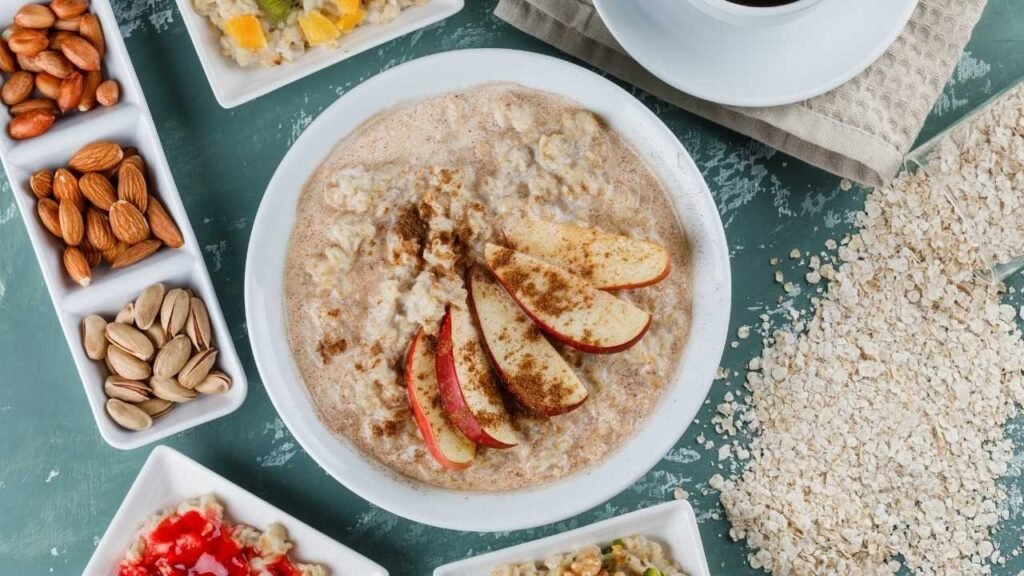
- Oatmeal and barley (whole grain sources rich in beta-glucan fiber)
- Fenugreek seeds and fennel (the two most studied herbal galactagogues)
- Dark leafy greens such as spinach and moringa leaves
- Almonds, cashews, and sesame seeds
- Garlic and ginger added to cooked meals
- Dates, particularly Medjool varieties
It is important to remember that frequent and effective nursing or pumping remains the strongest physiological driver of milk supply. No food can replace proper latch, demand feeding, and adequate rest.
What to Limit or Avoid During the Breastfeeding Period
While most foods are safe during breastfeeding, a few deserve caution.
High-mercury fish such as shark, swordfish, king mackerel, and tilefish should be avoided entirely. The FDA advises nursing mothers to choose low-mercury options like salmon, tilapia, shrimp, and canned light tuna instead.
Alcohol passes into breast milk at roughly the same concentration as blood alcohol. If you choose to drink occasionally, waiting at least two hours per standard drink before nursing minimizes exposure.
Excessive caffeine, highly processed foods with added sugars, and herbal supplements without professional guidance round out the list of items to approach thoughtfully. Always consult your doctor before adding any new herb or supplement to your routine.
Overcoming Everyday Nutritional Challenges as a New Mother
Understanding what to eat is one thing. Actually doing it while running on broken sleep with a newborn is another challenge entirely.
Time-Saving Meal Strategies
Batch cooking on weekends soups, stews, egg muffins, and grain bowls gives you grab-and-go options throughout the week. Overnight oats prepared the night before take less than five minutes and deliver fiber, protein, and complex carbohydrates in one bowl.
Managing Food Sensitivities
Some babies may react to certain proteins in breast milk, most commonly dairy or soy. If you notice excessive fussiness, gassiness, or skin rashes in your infant, keep a food diary and consult your pediatrician before removing entire food groups.
Special Considerations for Vegetarian and Vegan Mothers
Plant-based mothers can absolutely meet their nutritional needs during breastfeeding, but they need to be strategic. Key nutrients to monitor include vitamin B12, iron, zinc, calcium, and DHA. A prenatal multivitamin plus an algae-based DHA supplement covers most gaps, but personalized guidance from a registered dietitian is ideal.
Should You Take Supplements While Nursing
The CDC acknowledges that diet alone may not ensure adequate nutrition for all breastfeeding women and recommends healthcare providers work with nursing mothers to determine appropriate supplementation during lactation.
Most obstetricians advise continuing a prenatal multivitamin throughout breastfeeding. Beyond that, the most commonly recommended individual supplements include:
- Vitamin D (especially for mothers with limited sun exposure)
- DHA/Omega-3 (particularly if fish intake is low)
- Iron (if postpartum blood work shows low ferritin)
- Vitamin B12 (essential for vegan or strict vegetarian mothers)
Never self-prescribe high-dose supplements or herbal products during breastfeeding. Some substances, including certain herbal teas marketed for lactation, can interact with medications or affect infant health.
Sample One-Day Meal Plan for a Breastfeeding Mother
| Meal | What to Eat | Key Nutrients Delivered |
| Breakfast | Overnight oats with chia seeds, walnuts, and blueberries | Fiber, omega-3, antioxidants |
| Mid-Morning Snack | Greek yogurt with sliced almonds and a drizzle of honey | Calcium, protein, healthy fats |
| Lunch | Grilled salmon salad with spinach, avocado, quinoa, and lemon dressing | DHA, iron, folate, vitamin C |
| Afternoon Snack | Apple slices with almond butter and a glass of fortified milk | Calcium, vitamin D, protein |
| Dinner | Lentil and vegetable stew with whole-grain bread | Iron, protein, B vitamins, fiber |
| Evening Snack | A handful of dates with a few cashews | Natural sugars, magnesium, zinc |
Final Thoughts
Nourishing your body during breastfeeding is one of the most impactful things you can do for both your health and your baby’s development. You do not need a perfect diet you need a consistent, balanced approach that prioritizes whole foods, adequate hydration, and key nutrients like protein, calcium, iron, and omega-3 fatty acids.
Listen to your hunger cues, prepare simple meals in advance when possible, and do not hesitate to ask your healthcare provider for personalized guidance. Every mother’s body and circumstances are different, and what works for one family may not work for another.
The effort you invest in lactating women nutrition today pays dividends in your recovery, your energy, and your baby’s long-term health.
How soon after delivery should I start focusing on my breastfeeding diet?
Ideally, from day one. Your body begins producing colostrum immediately after birth and transitions to mature milk within three to five days. Eating nutrient-dense meals from the start supports both your recovery and early milk production.
Will eating more food automatically increase my milk supply?
Not necessarily. While severe caloric restriction can reduce supply, simply eating more does not guarantee higher volume. Frequent nursing or pumping, proper latch, adequate hydration, and rest are the primary drivers of milk production.
Can I follow a weight-loss diet while breastfeeding?
Gradual weight loss of one to four pounds per month typically occurs naturally during breastfeeding without deliberate restriction. Aggressive dieting below 1,500 to 1,800 calories per day can reduce both milk supply and nutritional quality. Focus on nutrient density rather than calorie cutting.
Are there foods I should avoid because they cause colic or gas in my baby?
There is no universal list. While some mothers notice their babies become fussy after they eat cruciferous vegetables, dairy, or spicy foods, these reactions are highly individual. A food diary can help you identify and confirm specific triggers.
How do I know if I am getting enough nutrients while breastfeeding?
Signs of adequate nutrition include stable energy levels throughout the day, healthy hair and nail growth, pale yellow urine, and steady milk supply. If you experience persistent fatigue, hair loss, or frequent illness, ask your doctor to run blood work for common deficiencies like iron, vitamin D, and B12.
Is caffeine safe during breastfeeding?
In moderation, yes. Up to 200 to 300 milligrams per day (about two standard cups of coffee) is generally considered safe by most health authorities. However, some infants are more sensitive than others, so watch for signs of irritability or disrupted sleep.