Period pain derails careers, workouts, and sleep for most menstruating women and most reach for pills before anything else. Yet decades of clinical evidence keep pointing to a much simpler fix: applied warmth.
A heating pad for menstrual cramps is not folk medicine. Randomized controlled trials show it matches ibuprofen for pain relief, acts faster when paired with medication, and carries almost no side effects. This guide unpacks how heat therapy works, which format suits which lifestyle, and when period pain crosses from routine into red-flag territory.
Table of Contents

Why Period Cramps Happen in the First Place
The uterus sheds its lining through rhythmic muscle contractions driven by hormone-like compounds called prostaglandins. Higher prostaglandin levels mean harder contractions, tighter local blood vessels, and sharper pelvic pain. The familiar companions lower back ache, nausea, fatigue ride along because these contractions irritate surrounding nerves.
Dysmenorrhea, the clinical label for painful menstruation, is strikingly widespread. A 2025 meta-analysis in Obstetrics & Gynecology covering 70 countries pegged global prevalence at 71.3%, with the burden heaviest in adolescents and university students. Earlier work in Oxford Academic’s Epidemiologic Reviews documented severe, life-disrupting pain in 2–29% of affected women.
Knowing your own pattern helps you predict the toughest days. Our menstrual cycle health guide explains what a healthy rhythm looks like.
How a Heating Pad for Menstrual Cramps Actually Works
Warmth triggers three overlapping physiological responses. It widens local blood vessels through vasodilation, flushing prostaglandins from the uterine lining. It activates thermoreceptors that compete with pain signals travelling to the brain a phenomenon known as gate control theory. And it relaxes uterine smooth muscle directly, softening the cramping contraction.
The Merck Manual Professional Edition states that clinicians can appropriately recommend topical heat for lower-abdominal relief, provided users take precautions against burns.
Is Heat Really as Effective as Painkillers? What Trials Show
Yes and not by a narrow margin.
A landmark randomized trial by Akin and colleagues, published in Obstetrics & Gynecology on ScienceDirect, compared continuous low-level topical heat against oral ibuprofen. Women using a heated patch plus a placebo tablet scored nearly identically to those using ibuprofen plus an unheated patch. When participants combined heat with ibuprofen, noticeable relief arrived in a median of 1.5 hours versus 2.79 hours for ibuprofen alone.
A 2018 systematic review and meta-analysis by Jo & Lee, published in Scientific Reports, pooled six RCTs and concluded that heat therapy significantly outperforms placebo and compares favourably with analgesic medication. The American Academy of Family Physicians likewise endorses topical heat among evidence-backed options for primary dysmenorrhea.
Research indicates optimal skin-contact temperature sits around 40–45°C warm enough to penetrate about one centimetre of tissue, cool enough to avoid injury.
Choosing the Right Format for Your Lifestyle
Different lifestyles demand different formats. The table below breaks down the five most common options.
| Format | Best For | Key Advantages | Watch-Outs |
| Electric heating pad | Home, bed, desk use | Steady temperature, adjustable settings | Tethered to an outlet; avoid sleeping on one without auto shut-off |
| Microwaveable rice or flax pad | Low-tech users | Reusable, moulds to the body, no cords | Heat fades within 20–30 minutes |
| Adhesive heat patch | Travel, school, work | Ultra-thin, up to 8 hours of warmth, discreet | Single-use; never apply directly to bare skin |
| Cordless wearable belt | Commuters, hybrid workers | Rechargeable, hands-free design | Battery usually lasts only 2–5 hours |
| Far-infrared (FIR) pad | Deeper muscle soothing | Penetrates beyond surface warmth | Higher price; confirm medical certification |
Most women eventually rotate between two formats one for overnight comfort, another for mobility.
How to Use Heat Therapy Safely
Avoid the common mistakes that turn a helpful tool into an avoidable injury. Follow these rules every time:
- Keep each session to 15–20 minutes on medium heat, then pause for at least 30 minutes before reapplying
- Layer a thin cloth between the pad and your skin to prevent first-degree burns
- Never fall asleep on an electric device without automatic shut-off most heat-related burns in emergency records trace back to this single mistake
- Target the lower abdomen or lower back, whichever area feels the sharpest ache
- Stop immediately and see a clinician if skin develops a mottled, reddish-brown pattern, a warning sign of erythema ab igne from prolonged heat exposure
People who are pregnant, diabetic, or have impaired skin sensation should check with a doctor before relying on a heating pad for menstrual cramps, since diminished heat perception raises burn risk.
Complementary Remedies That Amplify Relief
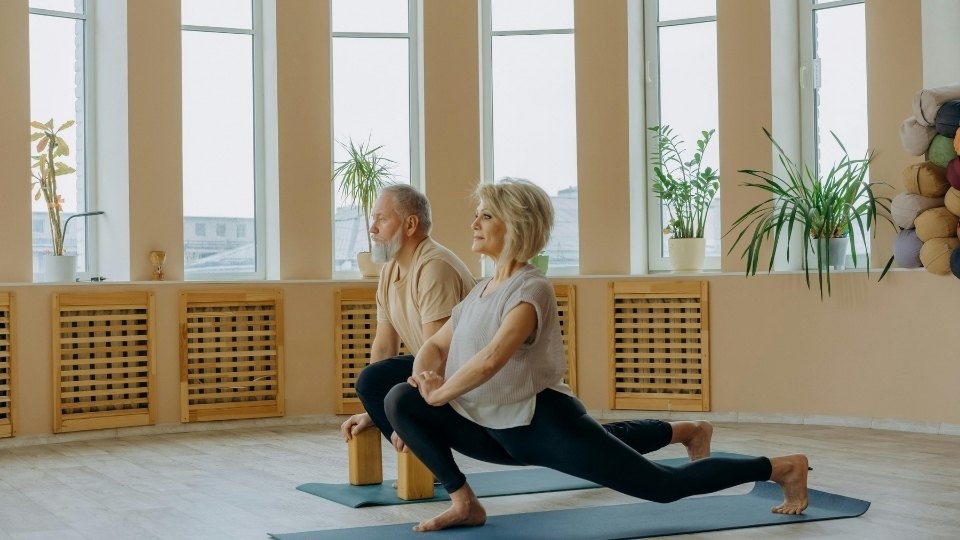
Heat performs best alongside simple daily habits. Hydration with warm ginger or chamomile tea calms nausea. Ten minutes of gentle yoga child’s pose, cat-cow, supine twist releases pelvic floor tension. An anti-inflammatory plate featuring walnuts, berries, leafy greens, or oily fish can soften prostaglandin spikes. If low-energy spells linger beyond your cycle, our article on the causes of extreme fatigue in females explores the usual suspects worth ruling out.
When Cramps Signal Something More Serious
A heating pad for menstrual cramps eases routine discomfort but cannot treat underlying pathology. Book a gynaecologist if pain disrupts work or school, worsens cycle after cycle, arrives with heavy bleeding or bowel changes, or stops responding to both heat and NSAIDs.
These patterns often point to endometriosis, uterine fibroids, adenomyosis, or pelvic inflammatory disease conditions that need clinical diagnosis and targeted treatment, not home remedies alone. If your periods have stopped entirely, our guide on amenorrhea and hair loss explains the hormonal signals worth investigating.
The Bottom Line
A heating pad for menstrual cramps offers something rare in modern healthcare: a remedy that’s inexpensive, clinically validated, drug-free, and almost universally safe when used correctly. Trials place it on par with ibuprofen. Mechanistically, it widens vessels, relaxes smooth muscle, and interrupts pain signalling. Practically, it fits in a backpack, lives on a bedside table, or wraps around your waist at work.
Experiment with different formats until you find the one that handles your worst days, and never dismiss pain that crosses from uncomfortable into debilitating.
Which heating pad for menstrual cramps has actually worked for you electric, cordless, or a classic patch? Share your experience in the comments, or forward this guide to someone still reaching for pills as the default. For more evidence-led women’s health content, explore the Women’s Special Health hub.
Do heating pads genuinely relieve period cramps, or is it just placebo?
Multiple randomized controlled trials including Akin et al. (2001) in Obstetrics & Gynecology and the Jo & Lee 2018 meta-analysis in Scientific Reports show statistically significant pain reduction compared with unheated placebo. The mechanism is physiological (vasodilation plus muscle relaxation), not psychological.
Heat or ice for menstrual cramps which actually works?
Heat wins clearly. Cramps stem from muscle contraction, and warmth relaxes smooth muscle while cold tenses it. Ice suits inflammation elsewhere in the body, but for uterine spasms, applied warmth is the evidence-aligned choice.
How long should you keep a heating pad on your stomach?
Standard electric or microwaveable pads work best in 15–20 minute sessions with breaks between applications. Low-level adhesive patches are engineered differently and can safely stay on for up to 8 hours, but they should rest over underwear or clothing, not bare skin.
Can you safely sleep with a heating pad on?
Only if it’s a low-level adhesive patch designed for overnight wear, or an electric unit with reliable automatic shut-off. Sleeping on an unmonitored electric pad remains the leading cause of heat-therapy burns reported to emergency departments.
Is heat therapy safe during pregnancy?
Brief, low-heat application to the lower back is generally considered acceptable, but sustained abdominal heat is not recommended. Always clear any heat therapy with your obstetrician before using it during pregnancy.
Can heat ever make cramps worse?
Rarely, but possible. If pain escalates during use, it may indicate pelvic inflammatory disease, an endometriosis flare, or a non-gynaecological problem like appendicitis. Persistent worsening pain needs medical evaluation, not additional heat.