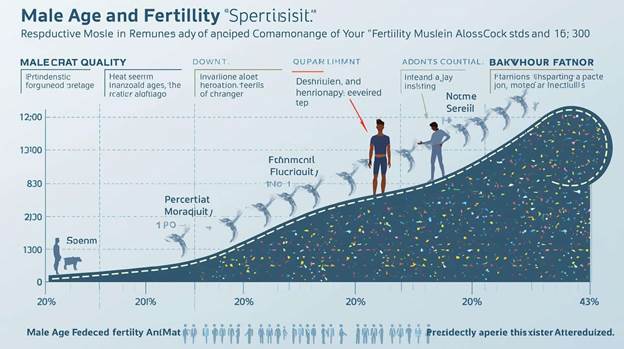
Fertility is often discussed in relation to women, but men also experience changes in reproductive potential as they age. While men can produce sperm throughout their lives, sperm quality and fertility outcomes shift over time. A male fertility age chart provides a visual guide to understanding how age affects sperm health, conception rates, and the likelihood of fathering a healthy child. For couples planning a family, this chart can be an important tool to make informed decisions.
Why a Male Fertility Age Chart Matters
Many people assume that age does not impact male fertility. However, research shows that sperm quality, motility, and DNA integrity decline as men get older. Using a male fertility age chart helps highlight these gradual changes and emphasizes that male age is just as relevant as female age when it comes to conception.
A male fertility age chart can also serve as a valuable resource for men who are considering delaying fatherhood. It outlines the age ranges where fertility is generally at its peak, when it begins to decline, and the possible challenges linked with advanced paternal age.
The Role of Age in Male Fertility
Sperm count and overall quality are key determinants of male fertility. While men do not experience a sudden fertility cutoff like women do with menopause, their reproductive health does decline slowly over time. Studies show that sperm motility, morphology, and genetic stability all decrease with age.
A male fertility age chart illustrates these changes clearly, often showing:
- 20s to early 30s: Peak fertility years with high sperm count, strong motility, and low DNA fragmentation.
- Mid-30s to early 40s: Gradual decline begins, with noticeable changes in sperm motility and morphology.
- Late 40s and beyond: Increased risk of DNA damage in sperm, lower testosterone, and reduced overall fertility potential.
By consulting a male fertility age chart, men can better understand their reproductive timeline and how it may influence family planning.
What the Male Fertility Age Chart Shows
A comprehensive male fertility age chart usually covers several important factors:
- Sperm Count: Younger men typically have higher sperm counts, though lifestyle factors can influence this.
- Sperm Motility: The ability of sperm to swim effectively declines with age, reducing the chances of fertilization.
- Sperm Morphology: Abnormal sperm shapes become more common as men grow older.
- DNA Fragmentation: Older men are more likely to produce sperm with genetic damage, which can affect embryo quality.
- Hormone Levels: Testosterone gradually decreases with age, impacting libido and sperm production.
These factors combine to show how fertility shifts across decades, making the male fertility age chart a valuable guide.

Health Risks Associated with Advanced Paternal Age
The male fertility age chart not only tracks sperm health but also highlights potential risks linked to older fatherhood. Studies suggest that children of older fathers may face a higher risk of genetic disorders, autism spectrum conditions, or certain birth complications. While the risks are not absolute, they increase with paternal age.
Lifestyle and Fertility Beyond the Chart
Although a male fertility age chart provides a general overview, lifestyle choices significantly influence fertility at any age. Men can take steps to preserve reproductive health by:
- Eating a nutrient-rich diet with lean proteins, vegetables, whole grains, and healthy fats.
- Exercising regularly to maintain hormone balance and circulation.
- Avoiding smoking and excessive alcohol, which can damage sperm quality.
- Practicing relaxation techniques, including yoga or meditation to manage stress.
- Getting regular check-ups to monitor reproductive and overall health.
These steps may not completely halt the natural decline shown in a male fertility age chart, but they can help slow it and improve overall reproductive outcomes.
Using the Male Fertility Age Chart in Family Planning
For couples trying to conceive, the male fertility age chart can serve as a practical planning tool. It allows men to see where they stand in terms of reproductive potential and whether they should consider lifestyle changes, fertility testing, or assisted reproductive technologies.
Doctors often recommend semen analysis for men over 35 who are struggling to conceive, as this age range is where noticeable declines often appear in the male fertility age chart. Understanding these shifts early can prevent unnecessary delays in starting a family.
Limitations of the Male Fertility Age Chart
While the male fertility age chart is a helpful guide, it is not a one-size-fits-all prediction. Individual genetics, medical history, and lifestyle can cause variations in fertility outcomes. Some men may remain fertile well into their 50s or 60s, while others might notice issues much earlier. The chart should be seen as an educational resource rather than a strict rule.
Final Thoughts
Male fertility is not limitless, and age does play a role in reproductive health. A male fertility age chart provides valuable insights into how sperm quality, hormone levels, and fertility potential shift over time. While men remain capable of fathering children throughout their lives, understanding the natural decline can help couples make better family planning choices.
By combining the information from a male fertility age chart with healthy lifestyle practices, men can improve their chances of maintaining reproductive health and supporting successful conception. Ultimately, awareness is the first step toward taking control of fertility and making informed decisions about when to start or expand a family.