Pelvic health physiotherapy is a specialized branch of rehabilitation that strengthens, relaxes, and retrains the muscles supporting the bladder, bowel, and reproductive organs. Millions of adults quietly live with leaking, prolapse, or pelvic pain because they think symptoms are “just part of aging” or “just what happens after kids.” They are not. Left untreated, pelvic floor issues shrink your social life, your sleep, and your confidence. Evidence-based pelvic floor physical therapy gives most people their function back usually without medication or surgery.
Table of Contents
What Is Pelvic Health Physiotherapy?
Pelvic health is a focused form of physical therapy that diagnoses and treats dysfunction in the pelvic floor the group of muscles, ligaments, and fascia that sit between the pubic bone and tailbone.
According to Mayo Clinic Health System, the pelvic floor is made up of 26 muscles that work together to stabilize the spine, hold pelvic organs in place, and control bladder and bowel function. When those muscles become weak, overly tight, or poorly coordinated, everyday life suffers.
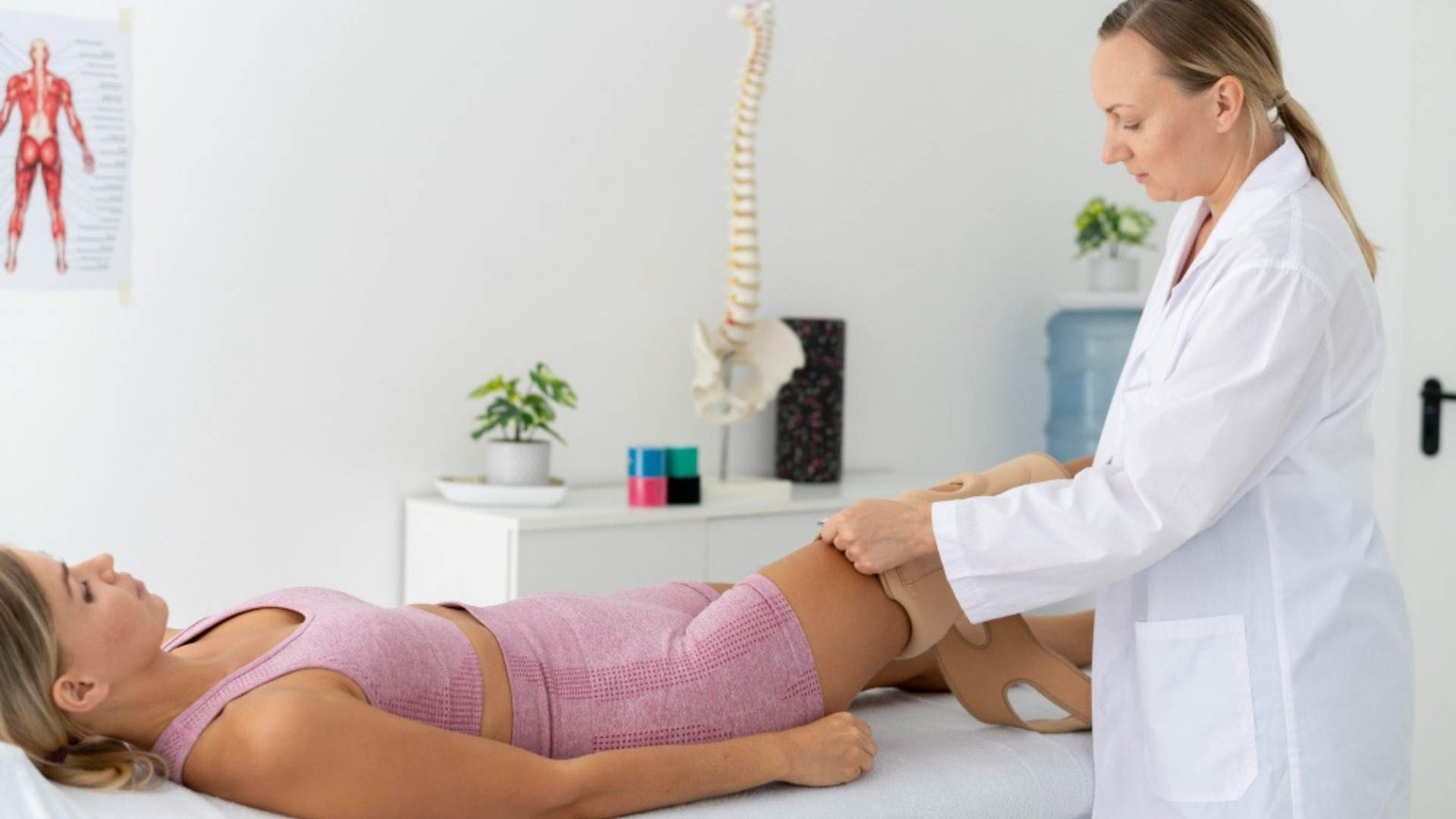
A pelvic floor physiotherapist uses guided exercises, manual therapy, breathing retraining, and tools like biofeedback to restore normal muscle function. The approach is conservative, first-line, and non-surgical.
How Common Are Pelvic Floor Disorders?
Pelvic floor issues are far more common than most people realize and the data makes the case clearly.
Research funded by the National Institutes of Health found that nearly 24% of U.S. women experience at least one pelvic floor disorder. Prevalence climbs sharply with age: about 10% of women aged 20–39 are affected, rising to 27% between 40 and 59, 37% between 60 and 79, and close to half of women aged 80 and older.
A 2022 study published in Scientific Reports reviewed medical records of 25,425 women in primary-care settings and reported a pelvic floor disorder prevalence of 32%. BMI and age stood out as the strongest independent risk factors.
Men are affected too. Research indicates that nearly every man experiences some urinary leakage immediately after prostate surgery, with rates dropping to roughly 5–20% within two years when rehabilitation is followed consistently.
Conditions Treated by Pelvic Health :
The scope of pelvic floor therapy is wider than most patients expect. Here are the seven conditions clinicians treat most often:
- Stress urinary incontinence leaking when you cough, sneeze, laugh, run, or lift.
- Urge incontinence and overactive bladder sudden, intense urges with little warning.
- Pelvic organ prolapse when the bladder, uterus, or rectum slips downward and causes pressure or a bulging sensation.
- Chronic pelvic pain including pain linked to endometriosis, vaginismus, or post-surgical scarring.
- Postpartum recovery addressing diastasis recti, perineal healing, and pelvic instability after birth.
- Bowel dysfunction constipation, straining, and fecal incontinence.
- Post-prostatectomy recovery in men rebuilding continence and reducing pelvic pain after prostate cancer surgery.
Sexual dysfunction, painful intercourse, and pelvic pain in athletes also respond well to individualized programs.
Techniques Used in Pelvic Health Physiotherapy
Not every pelvic issue needs the same tool. A qualified therapist selects techniques based on whether muscles are underactive, overactive, or uncoordinated. The table below summarizes how common interventions map to specific problems.
| Condition | Main Technique | What It Does |
| Stress incontinence | Pelvic floor muscle training + biofeedback | Strengthens weak muscles and improves timing |
| Urge incontinence | Bladder training + behavioral coaching | Retrains nerve signals and extends voiding intervals |
| Pelvic organ prolapse | Targeted strengthening + pessary support | Rebuilds muscle support under pelvic organs |
| Chronic pelvic pain | Manual therapy + relaxation training | Releases tight or overactive muscles |
| Postpartum recovery | Breathwork + core-pelvic coordination | Restores pressure balance and heals diastasis recti |
| Post-prostatectomy | PFMT + electromyographic biofeedback | Retrains continence after surgical trauma |
Techniques are almost never used alone. A typical plan blends education, exercise, hands-on work, and home practice.
What to Expect at Your First Appointment
The idea of pelvic physiotherapy intimidates many first-time patients, but the experience is routine and discreet.
Your therapist starts with a detailed history symptoms, birth history, surgeries, bowel and bladder patterns, and goals. Next comes a physical exam of your posture, breathing, hips, and core. Johns Hopkins Medicine notes that pelvic floor therapy is available to people of all genders and ages, and assessments are tailored to comfort and consent.
An internal exam may be offered when clinically indicated, but it is optional and always consent-based. From there, your therapist builds a custom plan usually a mix of home exercises, manual therapy, and progressive check-ins every one to two weeks. Most people see meaningful change within 6 to 12 sessions, though timelines vary by condition.
Evidence Behind Pelvic Health Physiotherapy
Pelvic floor rehabilitation is one of the best-studied areas in women’s health and urology and the evidence is strong.
A Cochrane systematic review led by Dumoulin and colleagues analyzed 31 randomized trials and concluded that pelvic floor muscle training can cure or improve stress urinary incontinence, recommending it as first-line conservative care. Meta-analyses in postpartum populations show similar results, with pelvic floor training combined with biofeedback or electrical stimulation consistently outperforming no treatment.
Men benefit measurably too. A study from UT Southwestern Medical Center tracked post-prostatectomy patients receiving individualized pelvic physical therapy and found that 87% saw improvement in incontinence and 58% reached the optimal benchmark of two or fewer pads per day. Pain also dropped from 27% of patients to 14% after an average of just over four sessions.
The APTA Academy of Pelvic Health Physical Therapy emphasizes that benefits extend across cancer recovery, pregnancy, and chronic pain populations making this a remarkably versatile first-line specialty.
Pelvic Health Physiotherapy for Men vs Women
Women see pelvic health physiotherapists at higher rates because of pregnancy, childbirth, and menopause-related changes. But the condition spectrum overlaps significantly between genders, and stigma is the main reason men wait too long to seek help.
For women, typical triggers include postpartum pelvic instability, prolapse after multiple vaginal deliveries, and urinary leakage linked to declining estrogen during perimenopause. Pelvic physiotherapy pairs well with care outlined in our women’s health resources, especially for readers navigating postpartum recovery.
For men, the most common reasons to start pelvic floor therapy are post-prostatectomy incontinence, chronic pelvic pain syndromes, and erectile dysfunction linked to pelvic muscle tension. Research from UT Southwestern flipped a long-standing assumption by showing that many post-surgery men have overactive not weak pelvic muscles, and that down-training is often more effective than standard Kegels. Readers can explore adjacent topics in our men’s health section.
Lifestyle Habits That Support Pelvic Floor Recovery
Therapy works faster when daily habits support it. A few small changes can reinforce the progress you make in clinic.
Start with fiber and fluids. Constipation is a silent aggravator for prolapse and pelvic pain, so a steady intake of fruit, vegetables, and water reduces straining. Our symptom guides walk through common digestive patterns worth tracking.
Move deliberately. Heavy, breath-holding lifts push down on a healing pelvic floor. Swap them for core-friendly routines diaphragmatic breathing, walking, Pilates-style glute work. Structured workout plans can help.
Manage stress. Chronic tension keeps pelvic muscles clenched, which feeds pelvic pain, painful intercourse, and urgency. Slow breathing, mindfulness, and adequate sleep all calm the nervous system that drives pelvic muscle tone.

When to Seek Help: Early Warning Signs
Delay is the single biggest predictor of poor outcomes. Issues that feel embarrassing at three months become physically and emotionally harder to treat at three years.
Reach out to a pelvic floor physiotherapist if you notice: leaking that interrupts exercise, a heavy or dragging feeling in the vagina, pain during intercourse, pelvic pain that outlasts the postpartum window, or any persistent urinary urgency. Men should seek help for leakage that has not resolved by two to six months after prostatectomy, or for unexplained pelvic pain.
Early intervention usually means fewer sessions, shorter recovery, and a much lower chance of needing surgery.
Final Thoughts
Pelvic health physiotherapy is a conservative, evidence-backed path out of the symptoms that too many people suffer through in silence. The data is clear: roughly one in four women and a meaningful share of men deal with pelvic floor issues that respond extremely well to targeted rehabilitation. Whether you are recovering from childbirth, managing prolapse, healing after prostate surgery, or living with chronic pelvic pain, a skilled pelvic floor physical therapist can shorten your recovery and restore your quality of life.
If this guide helped you think about your own symptoms differently, share it with someone who needs to read it, leave a comment with your questions, and consider booking a consultation with a qualified pelvic health physical therapist this week. Healing starts the moment you stop waiting.
What does a pelvic floor physiotherapist actually do?
A pelvic floor physiotherapist assesses the strength, tone, and coordination of the pelvic floor muscles and designs a personalized plan to treat incontinence, prolapse, or pelvic pain. Treatment may include guided exercises, manual therapy, biofeedback, electrical stimulation, and lifestyle coaching. Most programs run 6 to 12 sessions, spaced over a few months.
Is pelvic health physiotherapy painful?
No, pelvic health physiotherapy should not be painful. Sessions are designed to be comfortable, private, and consent-driven internal exams are optional and only performed when clinically indicated. Some manual therapy can feel firm during release work, but a good therapist always adjusts pressure to your tolerance.
How long does pelvic floor therapy take to work?
Most patients notice improvement within 4 to 6 weeks and see significant gains by 12 weeks. A 2018 Cochrane review found that consistent pelvic floor muscle training can cure or substantially improve stress urinary incontinence. Timelines vary by condition severity, age, and how reliably you practice at home.
Can men really benefit from pelvic floor therapy?
Yes, men benefit significantly especially after prostate surgery. Research from UT Southwestern reported that 87% of post-prostatectomy men improved with individualized pelvic physical therapy, and 58% reached optimal continence outcomes. Men also respond well to pelvic PT for chronic pelvic pain and erectile function concerns.
Do I need a referral to see a pelvic floor physiotherapist?
In many regions, you can see a pelvic health physiotherapist directly without a physician referral though some insurance plans require one for reimbursement. It is worth calling the clinic first to confirm local rules and coverage. Either way, starting early improves results.
Are Kegels alone enough to fix pelvic floor problems?
Usually not. Kegels help some patients, but research from UT Southwestern showed that many people particularly post-prostatectomy men actually have overactive pelvic muscles that get worse with repeated Kegels. A qualified pelvic floor physiotherapist can identify whether you need strengthening, relaxation, or coordination work.