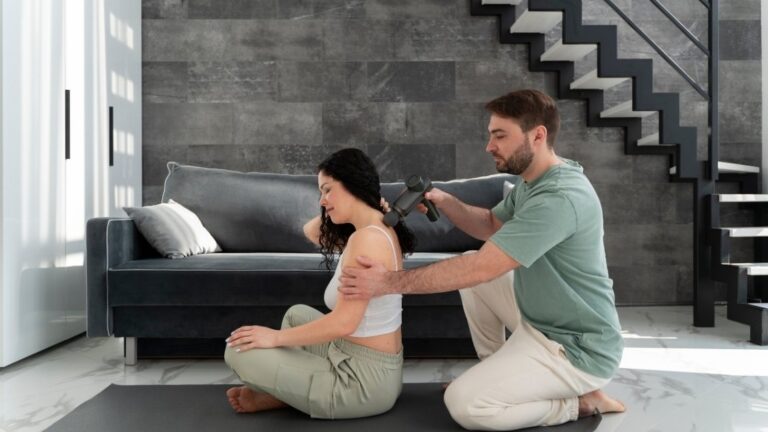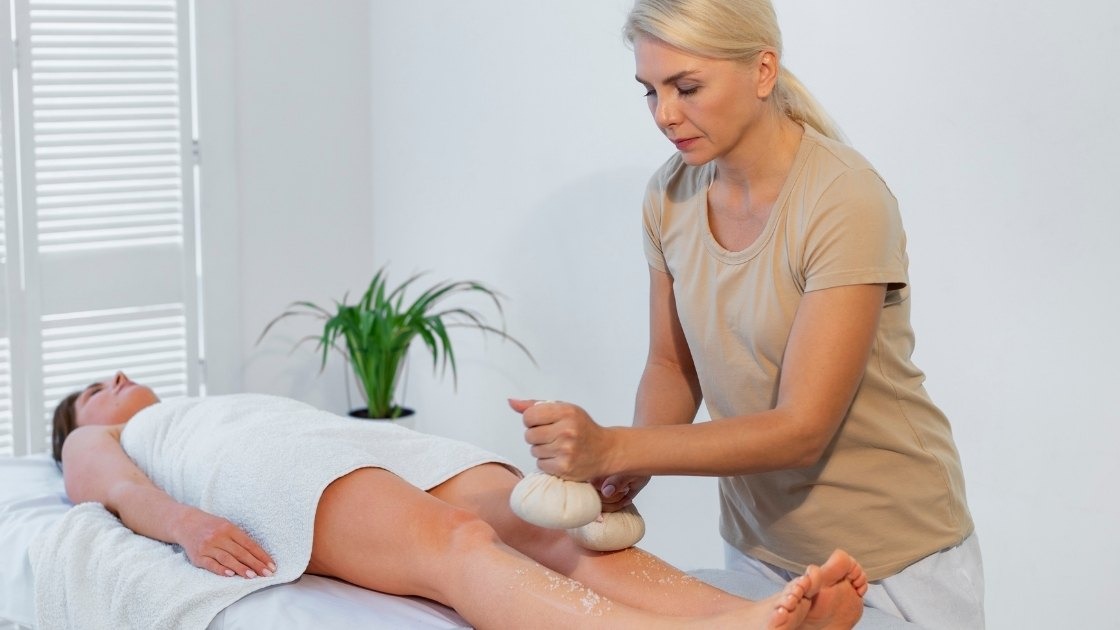
Lymphatic drainage plays a central role in how your body manages swelling, clears cellular waste, and maintains immune defense every single day. Most people never think about this silent network until something feels off: persistent puffiness, unexplained fatigue, frequent minor infections, or a heavy sensation in the legs. Those symptoms often signal that lymph flow has slowed. The good news is that a mix of gentle professional therapy, simple at-home practices, and smart daily habits can restore healthy movement. This guide walks you through the clinical science, the methods that actually work, the safety boundaries you need to respect, and the practical steps you can begin today.
Table of Contents
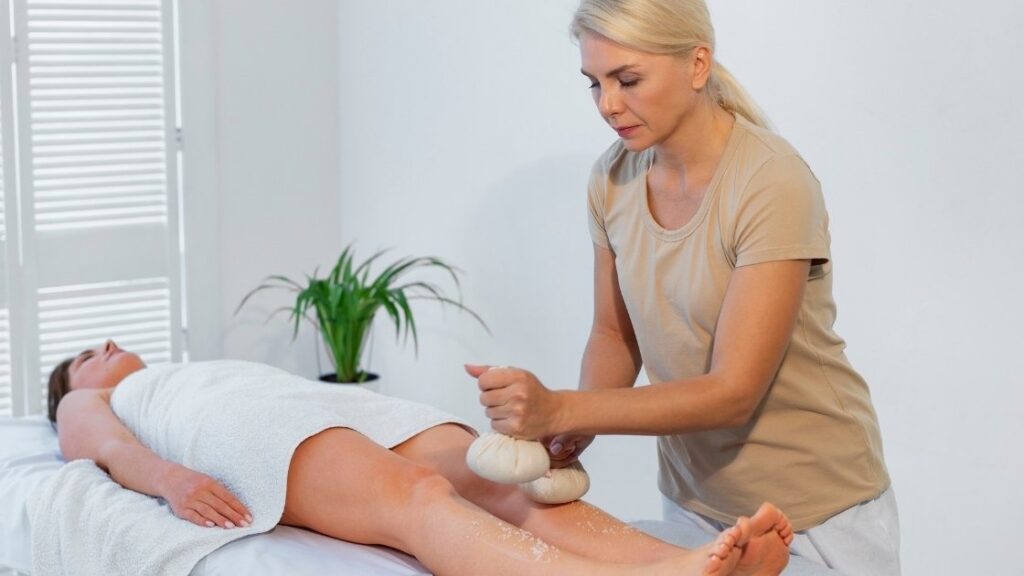
Understanding the Lymphatic System
What Is Lymph Drainage, and How Does It Work?
The term lymphatic drainage describes the biological process by which a clear fluid called lymph moves through a network of vessels and filtering nodes, sweeping up waste, trapping pathogens, and returning excess tissue fluid to your bloodstream. The Cleveland Clinic explains that, unlike the circulatory system with its central heart pump, the lymph network depends on muscular contraction, breathing rhythms, and external movement to push fluid upward toward the upper chest. When those mechanisms stall, lymph accumulates in tissues and the body shows it through puffiness, tenderness, or weakened immune response.
In therapeutic settings, the practice is usually carried out as manual lymph drainage (MLD), a gentle rhythmic bodywork approach performed by certified therapists. At-home versions also exist, but technique and pressure matter enormously.
A Brief History of Manual Lymph Drainage
Clinical lymph work has roots stretching back nearly a century. According to the Dr. Vodder School International, Danish physiotherapist Emil Vodder and his wife Estrid developed the original MLD protocol in Paris in 1936 while treating chronic sinus infections and swollen glands. Their sweeping, skin-level strokes later became the foundation for treating lymphedema and related swelling conditions across Europe and North America.
Today, their system has evolved into four distinct schools of practice that certified lymphedema therapists still use worldwide.
How Your Lymphatic System Actually Works
Your lymph network forms part of the immune system. It includes specialized organs such as the spleen, thymus, tonsils, and bone marrow, along with an intricate branching of thin vessels and hundreds of bean-shaped filtration stations called lymph nodes.
The Ohio State University Wexner Medical Center notes that larger protein molecules and cellular debris cannot re-enter the bloodstream through ordinary veins, so they rely entirely on this secondary circulation for removal. Here is a quick snapshot of the key structures and their roles.
Key Components at a Glance
| Component | Primary Function |
| Lymph nodes | Filter bacteria, viruses, and abnormal cells while housing immune defenders |
| Lymph vessels | Carry fluid upward toward the subclavian veins |
| Spleen | Screens blood, recycles old red blood cells, supports antibody production |
| Thymus | Matures T cells for adaptive immunity |
| Tonsils and adenoids | Catch airborne and ingested pathogens |
| Bone marrow | Generates white blood cells and platelets |
When any link in this chain is disrupted by surgery, infection, injury, or chronic inflammation, fluid builds up in the surrounding tissue and creates the chronic swelling clinicians call lymphedema.
Signs Your Lymph Flow May Be Sluggish
Many people carry low-grade lymphatic congestion without realizing it. The Cleveland Clinic identifies common indicators that the system may need support, including chronic sinus pressure, puffy ankles or hands, frequent mild infections, unexplained skin issues such as stubborn acne or dryness, and swollen glands near the neck. Lingering morning puffiness in the face is another subtle clue. These signs do not confirm a medical lymphatic disorder on their own, but they often respond well to a consistent self-care routine paired with movement and hydration.
Proven Benefits of Lymphatic Drainage
The evidence base for this therapy depends on whether you are treating a diagnosed condition or simply supporting general wellness. The distinction matters more than most wellness articles admit.
Clinical Relief for Lymphedema and Post-Surgery Swelling
The strongest and most consistently documented use of MLD is clinical lymphedema management, especially after cancer procedures that remove lymph nodes. Cleveland Clinic reports that manual techniques are used to ease limb swelling following breast cancer surgery, and to address fluid retention linked to chronic venous insufficiency, fibromyalgia, and rheumatoid arthritis.
MD Anderson Cancer Center describes MLD as one tool within a broader lymphedema care plan that usually combines compression garments, skin care, and exercise. This multi-part approach is known as complete decongestive therapy.
Cosmetic and Wellness Benefits
For people without lymphedema, results are milder but still meaningful. Facial lymph massage can temporarily reduce puffiness around the eyes, jawline, and cheeks. Many practitioners also report improved skin tone, lighter legs, better sleep, and reduced overall tension after sessions.
UCLA Health notes that lymph work applied to the neck may briefly lower heart rate and blood pressure, both markers of the body shifting into its calming parasympathetic state. A smaller study referenced by the same source found that abdominal techniques increased relaxation in people under psychological stress. For complementary stress-support reading, see our piece on walking for anxiety relief.
Separating Evidence From Hype
Not every popular claim holds up. UCLA Health explicitly cautions that widespread assertions such as “MLD flushes toxins” or “MLD causes weight loss” lack strong clinical support in healthy individuals. A well-functioning lymph network already handles that work on its own. Professional lymph therapy is best understood as supportive care, not a cure-all.
The Four Classical Techniques of Manual Lymph Drainage
Over the decades, four clinical lineages have shaped how certified therapists approach this work. WebMD and Physiopedia both describe them in detail. Vodder, the original method, relies on rotating and pumping strokes. Foldi builds on Vodder by alternating pressure with brief relaxation phases. Casley-Smith uses very soft effleurage movements across “watershed” regions of the torso. Leduc adds “call-up” strokes that coax fluid into initial capillaries before guiding it toward the nodes.
All four methods share one rule: pressure must stay extremely light, because lymph vessels sit just beneath the skin and collapse under deeper force.
What Happens in a Professional Session
A standard clinical session runs roughly 45 minutes, as described by the Ohio State University Wexner Medical Center. Treatment begins centrally near the neck and trunk before progressing outward toward the affected limb. Diaphragmatic breathing typically opens and closes the session, activating the deep thoracic duct that returns lymph to the bloodstream.
How to Practice Lymphatic Drainage at Home
Home-based self-massage can support general wellness and reduce mild puffiness when applied with the correct technique. The most important rule: use only the weight of your fingertips. If you feel the muscle beneath the skin, you are pressing too hard.
Drawing on University Health Network patient education guidance, a gentle five-step home routine works well for most healthy adults:
- Begin with five to ten slow diaphragmatic breaths, expanding the belly rather than the chest.
- Place two fingertips just above each collarbone, gently stretch the skin downward, and release. Repeat ten to fifteen times.
- With a flat palm, make slow, soft circles into each underarm for about thirty seconds per side.
- Use long, feather-light sweeping strokes along the limbs, always moving upward toward the trunk.
- Return to the collarbone region with the same light stretches, guiding fluid into the central duct.
Three to four short sessions per week is usually sufficient for general support. For structured movement routines that pair naturally with lymph care, browse our workout plans library.
Everyday Habits That Support Healthy Lymph Flow
Manual techniques represent only part of the picture. Consistent daily habits contribute far more over the long run. MD Anderson recommends at least 150 minutes of moderate exercise each week, pointing out that muscle contraction itself is the primary mechanical force moving lymph through tissues. Walking, swimming, gentle cycling, yoga, and Tai Chi are all strong choices.
Hydration is equally critical because lymph is largely water, and dehydration thickens fluid and slows transport. Our health tools section includes calculators that help track daily intake based on body size and activity level.
Dry brushing with a natural-bristle brush, using strokes directed toward the heart, may stimulate superficial skin lymphatics, although the evidence remains largely anecdotal. Rebounding on a mini-trampoline provides rhythmic muscular pumping without high-impact stress. Eating a diet rich in vegetables, fruits, whole grains, and healthy fats reduces inflammatory load, and our meal plans offer easy starting frameworks.

Safety: Who Should Avoid Lymphatic Drainage
Although broadly safe, MLD is not appropriate for everyone. Both Cleveland Clinic and MD Anderson advise medical clearance before beginning any lymph therapy when underlying health conditions are present.
Avoid or seek professional clearance before lymph work if any of the following apply:
- Active infection, fever, or cellulitis in the treatment area
- Known blood clots or a history of deep vein thrombosis
- Congestive heart failure or other serious cardiovascular conditions
- Active or recent cancer treatment without an oncology-trained therapist
- Kidney disease affecting fluid regulation
- Open wounds, skin ulcers, or inflamed rashes over the target zone
When in doubt, consult your physician. For help identifying warning symptoms, explore our symptom guides.
Building Lymph Health Into Your Long-Term Routine
Sustainable lymph support is not about one dramatic spa session. It comes from repeatable small actions: a few minutes of deep breathing, a twenty-minute walk, adequate water, a short self-massage, and meals that calm inflammation. For readers recovering from surgery or managing a diagnosed condition, the Lymphoedema Framework identifies complete decongestive therapy as the current clinical gold standard, pairing MLD with compression, exercise, and skin care. For everyone else, the daily habits above do most of the heavy lifting.
For broader wellness resources, our mind and body hub collects related guides on stress, sleep, and holistic care.
Conclusion
A well-functioning lymphatic drainage system quietly underwrites your immunity, detoxification, skin appearance, and day-to-day comfort. Whether your goal is recovering from a surgical procedure, reducing everyday puffiness, or simply feeling lighter and more energized, the formula stays the same: move often, breathe deeply, hydrate consistently, and add a few minutes of gentle self-massage several times per week. For chronic conditions, work with a certified lymphedema therapist to build a personalized plan. If this guide helped you, share it with someone who struggles with fluid retention or low energy, drop a comment with your own experience, and try one of the self-massage steps today. Small daily choices compound into real, lasting change.
What does lymphatic drainage actually do in the body?
This process moves lymph through your vessels and nodes to filter waste, trap pathogens, and balance fluid levels. It depends on breathing, muscle movement, and sometimes hands-on therapy to keep fluid flowing upward. When it works smoothly, you experience less puffiness, stronger immunity, and faster recovery from minor illness.
How often should lymph drainage be done at home?
For general wellness, most practitioners suggest three to four short sessions per week of five to ten minutes each. People managing diagnosed lymphedema often perform brief daily routines as part of a therapist-guided plan. Consistency matters far more than session length when building long-term benefit.
Is this therapy scientifically proven?
For lymphedema and post-surgical swelling, yes. Clinical evidence from sources such as UCLA Health and Cleveland Clinic is solid and well documented. For healthy individuals, claims about detoxification or weight loss are not well supported. Treat it as gentle, supportive self-care rather than a proven fix for every concern.
Can facial lymph massage reduce puffiness?
Yes, but usually short-term. Gentle strokes move fluid away from the eyes, cheeks, and jawline toward drainage points in the neck. Results typically last a few hours to a couple of days and do not permanently restructure the face or skin.
Who should not receive lymph massage?
Anyone with active infection, blood clots, heart failure, untreated cancer, or significant kidney disease should avoid this therapy without clearance from a qualified clinician. MD Anderson specifically advises cancer patients to work only with oncology-trained lymphedema therapists.
How is lymph massage different from a regular massage?
A standard massage uses firm pressure on muscles. Lymph-focused bodywork uses only skin-level stretching directed toward the nodes. If you feel deep tissue compression, the therapist has shifted away from true lymph technique.